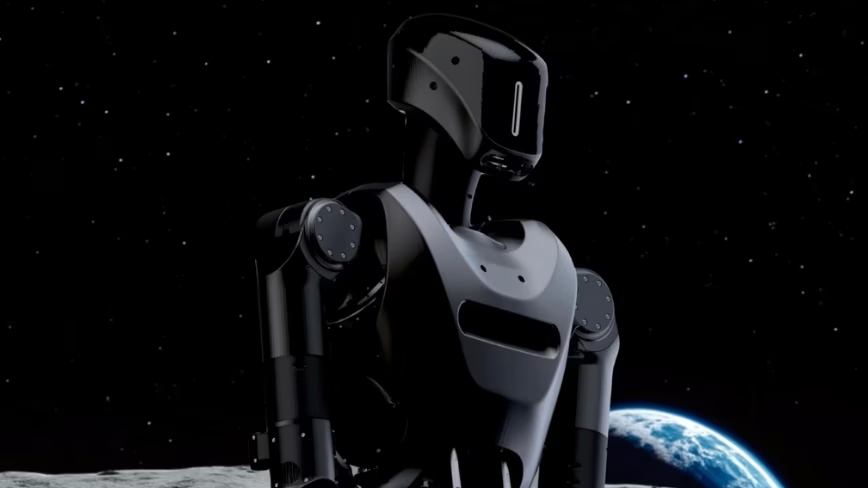
Il Primo Deployment di Robot Umanoidi in un Teatro di Combattimento
Foundation Future Industries, una startup con sede a San Francisco fondata nel 2024, ha recentemente segnato un primato significativo nel campo della robotica avanzata. L'azienda ha inviato due dei suoi robot umanoidi, i Phantom MK-1, in Ucraina all'inizio di quest'anno, descrivendo l'operazione come il primo deployment noto di robot umanoidi in un teatro di combattimento. Questa mossa rappresenta un passo audace nell'esplorazione delle capacità dei sistemi autonomi in ambienti estremamente complessi e ad alto rischio.
I test, condotti con il supporto del governo statunitense e in collaborazione con funzionari ucraini, si sono concentrati principalmente su compiti logistici. Sebbene i dettagli specifici delle operazioni non siano stati resi pubblici, l'enfasi sulla logistica suggerisce un interesse a valutare la capacità dei robot di gestire il trasporto di materiali, la ricognizione o altre attività di supporto in aree dove la presenza umana potrebbe essere troppo pericolosa o inefficiente. La presenza di Eric Trump come consulente della startup sottolinea l'attenzione e il potenziale impatto che questa tecnicia potrebbe avere.
Le Sfide del Deployment On-Premise in Contesti Critici
Il deployment di robot umanoidi in un ambiente come quello ucraino evidenzia le complesse sfide associate ai sistemi autonomi operanti in contesti on-premise e potenzialmente air-gapped. A differenza dei sistemi basati su cloud, che beneficiano di infrastrutture centralizzate e connettività costante, i robot operanti sul campo devono fare affidamento su capacità di elaborazione locali, robustezza hardware e autonomia energetica. Questo implica la necessità di hardware resistente, algoritmi di intelligenza artificiale efficienti per l'elaborazione edge e sistemi di navigazione e percezione in grado di funzionare senza dipendenza continua da reti esterne.
La logistica in un teatro di guerra richiede non solo resistenza fisica, ma anche capacità decisionali rapide e adattabilità a scenari imprevedibili. Per i robot umanoidi, ciò significa integrare sensori avanzati, capacità di pianificazione del movimento e, potenzialmente, modelli di apprendimento automatico per interpretare l'ambiente circostante e reagire in modo appropriato. La valutazione del Total Cost of Ownership (TCO) per tali sistemi deve considerare non solo il costo iniziale dell'hardware, ma anche la manutenzione sul campo, la ricarica energetica e la resilienza a danni o malfunzionamenti, aspetti cruciali per qualsiasi organizzazione che valuti soluzioni self-hosted per carichi di lavoro critici.
Implicazioni e Prospettive Future
L'ambizione di Foundation Future Industries non si ferma all'Ucraina. La startup ha dichiarato l'intenzione di vedere i suoi robot sulle linee del fronte statunitensi entro i prossimi 18 mesi. Questo obiettivo sottolinea una chiara direzione verso l'integrazione della robotica avanzata nelle operazioni militari e di sicurezza nazionale. Tale prospettiva solleva importanti questioni etiche, operative e tecniciche. Dal punto di vista tecnicico, l'affidabilità, la sicurezza cibernetica e la capacità di operare in condizioni estreme senza supervisione costante diventano requisiti imprescindibili.
Per le organizzazioni che valutano l'adozione di tecnicie AI e robotiche, specialmente in contesti che richiedono sovranità dei dati e controllo diretto sull'infrastruttura, l'esperienza di deployment on-premise come quella dei Phantom MK-1 offre spunti preziosi. La scelta tra soluzioni self-hosted e servizi cloud per carichi di lavoro AI/LLM è spesso guidata da considerazioni su performance, sicurezza e TCO. AI-RADAR offre framework analitici su /llm-onpremise per aiutare a valutare questi trade-off, fornendo una guida neutrale per decisioni strategiche di deployment.
Il Futuro della Robotica Autonoma in Contesti Difficili
Il deployment dei Phantom MK-1 in Ucraina rappresenta un banco di prova significativo per la robotica umanoide. Sebbene i dettagli sulle performance e sui risultati specifici dei test non siano ancora disponibili, l'iniziativa dimostra la crescente fiducia nelle capacità dei robot di operare in ambienti complessi e pericolosi. Il successo di tali deployment dipenderà dalla capacità di superare le sfide tecniche legate all'autonomia, alla resistenza e all'interazione con l'ambiente, mantenendo al contempo un elevato livello di affidabilità e sicurezza.
L'evoluzione di questi sistemi avrà implicazioni non solo per il settore militare, ma anche per applicazioni civili in settori come la gestione delle emergenze, l'esplorazione di ambienti ostili o la logistica in aree remote. La continua ricerca e sviluppo in aree come la visione artificiale, la pianificazione del movimento e l'apprendimento per rinforzo saranno cruciali per sbloccare il pieno potenziale dei robot umanoidi, rendendoli partner sempre più capaci in una vasta gamma di scenari operativi on-premise e oltre.







💬 Commenti (0)
🔒 Accedi o registrati per commentare gli articoli.
Nessun commento ancora. Sii il primo a commentare!