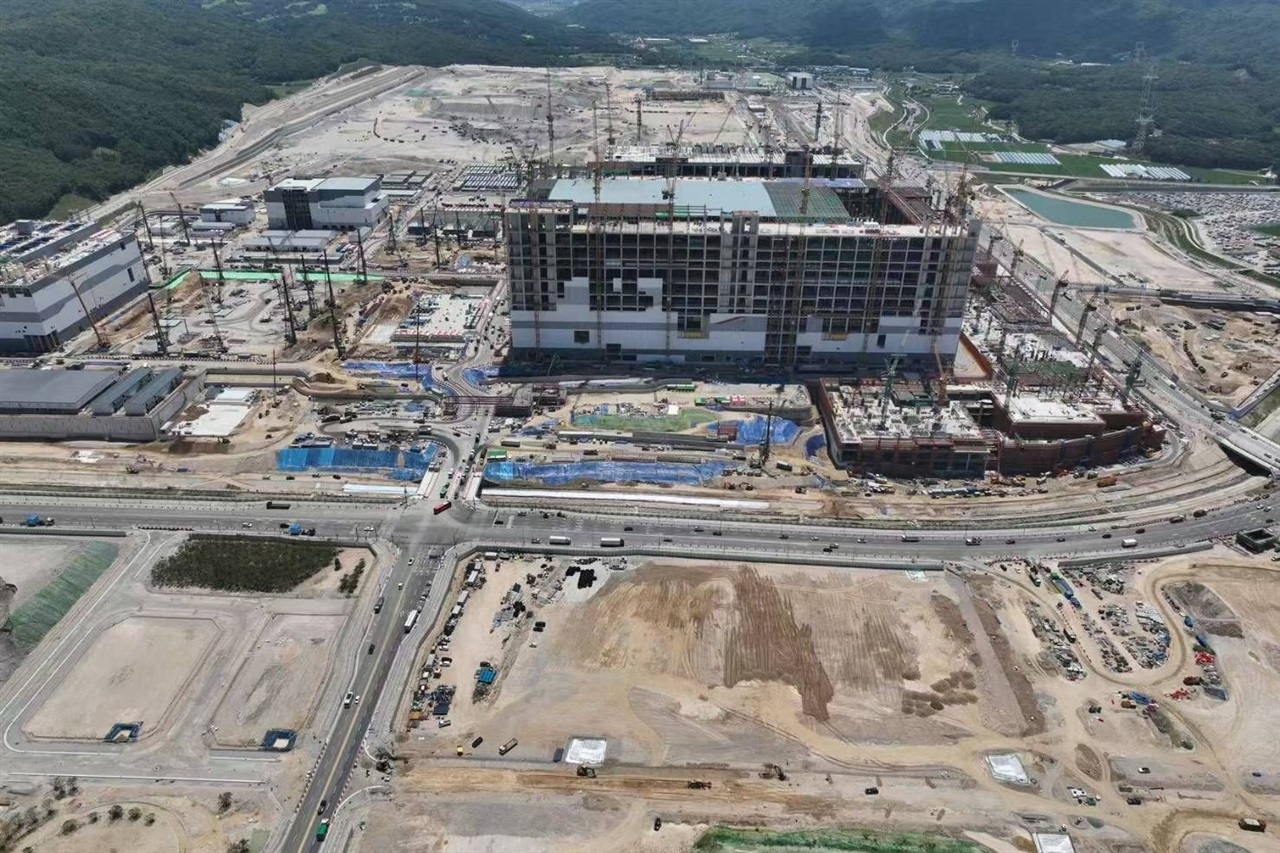
Washington’s tightening of the screws on Samsung and SK Hynix’s Chinese memory fabs might seem like a small subplot in the trade war saga. But for AI infrastructure watchers – especially those evaluating on-premise deployments – it’s a major shock. Because memory, particularly the High Bandwidth Memory (HBM) stacked in GPU modules, is the real bottleneck that determines whether large models can run locally.
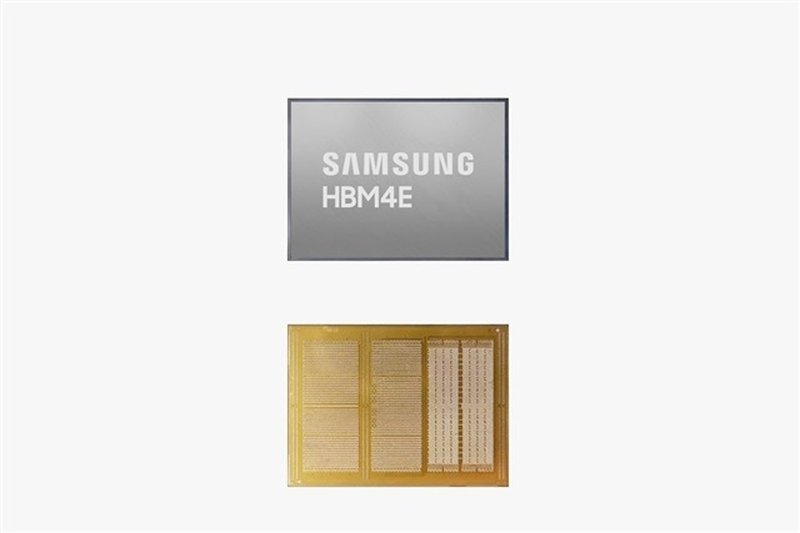
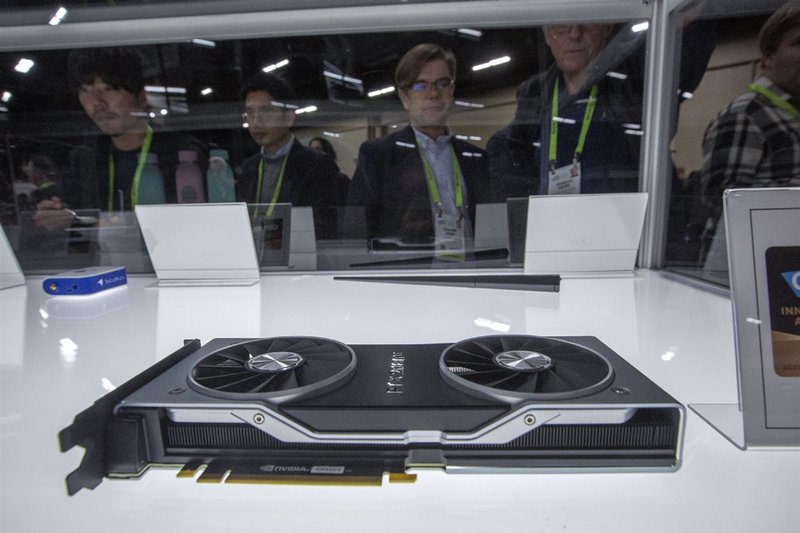
Samsung and SK Hynix control well over half of the global DRAM market and are among the very few manufacturers of HBM2e and HBM3, the stacked memory that powers NVIDIA’s A100, H100, and the newest custom accelerators. Without a steady, competitively priced supply of these chips, the entire on-premise inference ecosystem – from bare metal clusters to air-gapped setups – would face ballooning lead times and prices, upending the TCO calculations that many enterprises used to justify leaving the cloud.
Washington’s pressure is not random: it follows the CHIPS Act logic and the export controls imposed in late 2022, but it shifts the lens from the logic supply chain (TSMC’s foundries) to the equally critical memory side. The two Korean giants run manufacturing plants in China that, if hit by restrictions, might be forced to cut output or face a de facto embargo on advanced chips. In such a scenario, HBM production could be redirected to the United States – Samsung has already announced a massive Texas investment – but the reconfiguration will take years.
In the short term, the risk is a choke point rippling through the entire chain: fewer GPUs available, higher costs for existing hardware, and renewed interest in alternative architectures like Cerebras’ memory-integrated chips or Google’s TPUs, which bypass the bottleneck altogether. But for the typical enterprise wanting to self-host an LLM with data sovereignty guarantees, the message is clear: technology dependence isn’t just about processor silicon – it’s also about the memory chips that fly under the radar.
Thus, the geopolitical game redraws the boundaries of what’s possible for local AI deployment. On one hand, it pushes for greater regionalization of fabrication; on the other, it concentrates production in a few ultra-sophisticated sites, increasing systemic vulnerability. Those planning on-premise investments must now add a new line to their spreadsheet: the resilience of the HBM supply chain to political shocks. In this technological cold war, memory has never been so strategic.








💬 Comments (0)
🔒 Log in or register to comment on articles.
No comments yet. Be the first to comment!