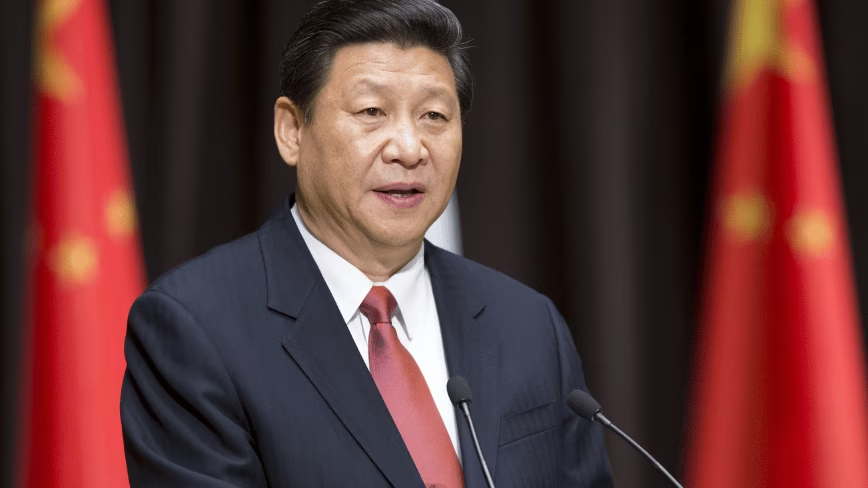
L'UE inasprisce le sanzioni, Pechino risponde con fermezza
L'Unione Europea ha recentemente inasprito la sua posizione nei confronti di alcune entità cinesi e di Hong Kong, includendole nel ventesimo pacchetto di sanzioni rivolte alla Russia. Questa mossa, che ha coinvolto circa 27 soggetti, rappresenta la più ampia serie di nuove designazioni negli ultimi due anni, segnalando una crescente determinazione da parte di Bruxelles nel contrastare il presunto supporto a Mosca.
La reazione di Pechino non si è fatta attendere. Il Ministero del Commercio cinese ha emesso una ferma condanna ufficiale, dichiarando che le sanzioni "contrastano con lo spirito del consenso raggiunto tra i leader cinesi e dell'UE". Questa dichiarazione sottolinea la profonda divergenza di vedute e le tensioni che continuano a caratterizzare le relazioni tra i due blocchi economici, con potenziali ripercussioni su scala globale.
Contesto Geopolitico e la Resilienza delle Supply Chain Tech
L'escalation delle tensioni geopolitiche, come quelle evidenziate dalle recenti sanzioni, ha ripercussioni significative ben oltre gli ambiti diplomatici e commerciali diretti. Nel settore tecnicico, e in particolare per lo sviluppo e il deployment di soluzioni di intelligenza artificiale e Large Language Models (LLM), la stabilità delle supply chain è un fattore critico. La dipendenza globale da pochi produttori di silicio avanzato e componenti chiave rende l'intero ecosistema vulnerabile a interruzioni causate da dispute internazionali o restrizioni commerciali.
Per le aziende che operano con carichi di lavoro AI, la capacità di accedere a hardware specifico, come GPU ad alte prestazioni con VRAM adeguata, è fondamentale. Eventuali blocchi o ritardi nelle consegne possono compromettere la pianificazione strategica e l'efficienza operativa. Questo scenario spinge molte organizzazioni a riconsiderare le proprie strategie di approvvigionamento e a valutare alternative che garantiscano maggiore resilienza e controllo, come l'investimento in infrastrutture self-hosted o la diversificazione dei fornitori.
Sovranità dei Dati e Vantaggi del Deployment On-Premise
In un clima di incertezza geopolitica, la sovranità dei dati e la compliance normativa assumono un'importanza ancora maggiore. Le aziende, in particolare quelle che gestiscono informazioni sensibili o operano in settori regolamentati, sono sempre più attente a dove risiedono i loro dati e a chi ha accesso alle infrastrutture che li elaborano. Il deployment di LLM on-premise, o in ambienti air-gapped, offre un livello di controllo e sicurezza che le soluzioni cloud non sempre possono garantire, mitigando i rischi associati a giurisdizioni estere o a potenziali interferenze.
La scelta tra un'infrastruttura cloud e una self-hosted non è solo una questione di costi iniziali, ma un'analisi approfondita del Total Cost of Ownership (TCO) che include aspetti come la sicurezza, la compliance, la personalizzazione e la resilienza della supply chain. Sebbene il cloud offra scalabilità e flessibilità, le tensioni internazionali possono rendere più attraente l'investimento in asset proprietari, garantendo maggiore autonomia e protezione contro shock esterni e la necessità di mantenere il controllo completo sui propri dati e modelli.
Prospettive Future e Resilienza Strategica per i Decision-Maker Tech
Lo scontro diplomatico tra l'UE e la Cina, sebbene non direttamente legato al settore dell'intelligenza artificiale, serve da monito per i decision-maker tecnicici. La capacità di un'organizzazione di innovare e operare efficacemente dipende sempre più dalla sua resilienza di fronte a scenari globali complessi. Questo include la valutazione attenta delle dipendenze tecniciche, la pianificazione di strategie di mitigazione del rischio e la costruzione di infrastrutture robuste e controllabili.
Per i CTO, i responsabili DevOps e gli architetti di infrastruttura, comprendere queste dinamiche è essenziale. Le decisioni relative al deployment di LLM, che si tratti di scegliere tra soluzioni on-premise o cloud, di investire in specifiche GPU o di definire le pipeline di sviluppo, devono tenere conto non solo delle performance e dei costi, ma anche del contesto geopolitico in evoluzione. AI-RADAR, ad esempio, offre framework analitici su /llm-onpremise per valutare questi trade-off, supportando le aziende nella costruzione di strategie resilienti e sovrane.






💬 Commenti (0)
🔒 Accedi o registrati per commentare gli articoli.
Nessun commento ancora. Sii il primo a commentare!