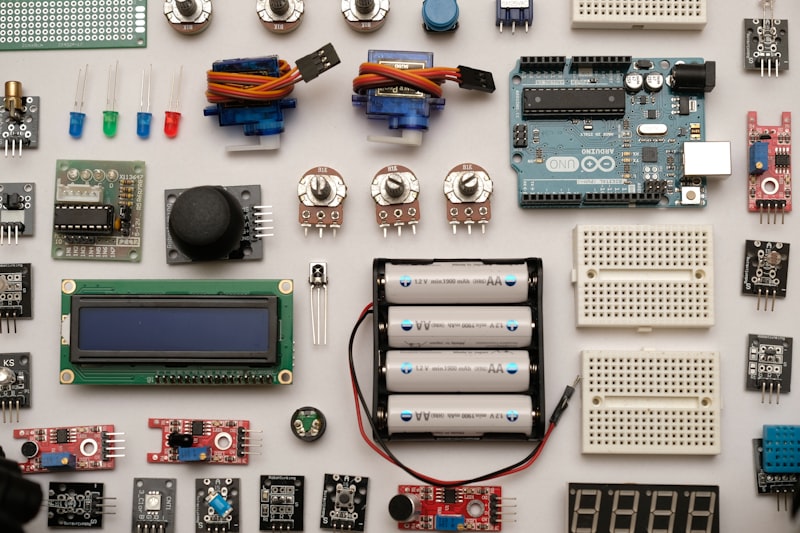
L'evoluzione delle batterie agli ioni di litio
Le batterie agli ioni di litio rappresentano da decenni la spina dorsale dell'elettronica portatile e, più recentemente, hanno assunto un ruolo cruciale nella transizione verso la mobilità elettrica. La loro elevata densità energetica e la buona durata del ciclo di vita le hanno rese la scelta preferenziale per alimentare smartphone, laptop e, in misura crescente, i veicoli elettrici (EV). Tuttavia, l'espansione del mercato EV e la crescente domanda di prestazioni superiori, come ricariche più rapide e maggiore autonomia, spingono la ricerca a esplorare nuove frontiere.
In questo contesto, scienziati di Taiwan, in particolare quelli affiliati alla NYCU (National Yang Ming Chiao Tung University), stanno attivamente ripensando l'architettura e la composizione delle batterie agli ioni di litio. L'obiettivo primario è sviluppare soluzioni che possano soddisfare le esigenze dei veicoli elettrici ad alta potenza, superando le attuali limitazioni in termini di densità di potenza, sicurezza e velocità di ricarica.
Sfide e innovazioni nella tecnicia delle batterie
La ricerca sulle batterie agli ioni di litio si concentra su diverse aree chiave. Una delle principali sfide è aumentare la densità di potenza, ovvero la capacità di erogare grandi quantità di energia in tempi brevi, essenziale per l'accelerazione e la ricarica rapida degli EV. Questo spesso implica compromessi con la densità energetica (la quantità totale di energia immagazzinabile) e la sicurezza, dato che le reazioni chimiche più intense possono generare calore e potenziali rischi.
Gli sforzi di innovazione includono lo studio di nuovi materiali per gli elettrodi, come anodi a base di silicio o catodi ricchi di nichel, e l'esplorazione di elettroliti allo stato solido che promettono maggiore sicurezza e densità energetica. Il "ripensamento" menzionato dalla ricerca taiwanese suggerisce un approccio olistico, che potrebbe riguardare non solo i materiali ma anche il design strutturale delle celle e i sistemi di gestione termica, fondamentali per mantenere le prestazioni e la longevità delle batterie in condizioni di elevato stress.
Impatto sui veicoli elettrici e sull'infrastruttura energetica
Il successo di queste ricerche avrà un impatto significativo sul futuro dei veicoli elettrici. Batterie più efficienti e potenti permetterebbero agli EV di offrire prestazioni paragonabili o superiori a quelle dei veicoli a combustione interna, con tempi di ricarica ridotti che renderebbero la mobilità elettrica ancora più pratica e accessibile. Questo, a sua volta, accelererebbe l'adozione di massa degli EV, contribuendo agli obiettivi globali di decarbonizzazione.
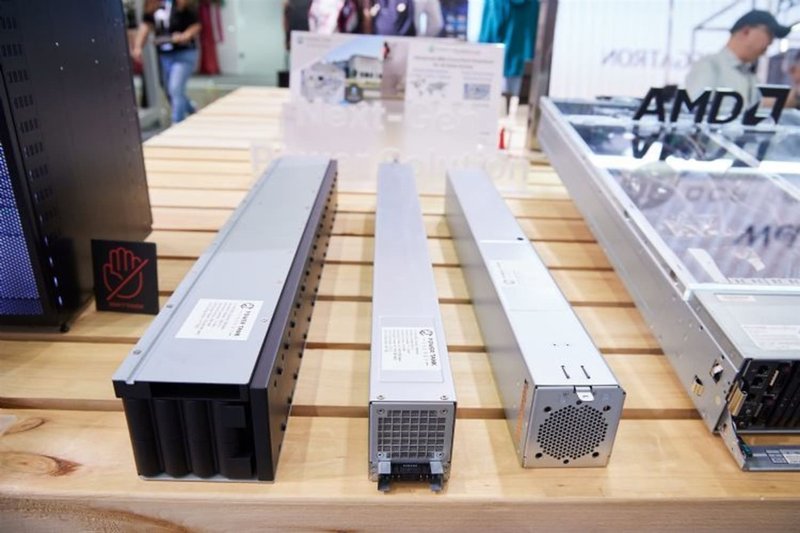
In un contesto più ampio, l'avanzamento nella tecnicia delle batterie è fondamentale anche per l'infrastruttura energetica. La capacità di immagazzinare energia in modo efficiente è cruciale per l'integrazione delle fonti rinnovabili intermittenti (solare ed eolico) nella rete. Sebbene l'articolo si concentri sui veicoli, le innovazioni nelle batterie ad alta potenza possono avere ricadute positive anche sui sistemi di accumulo stazionario, contribuendo alla stabilità e alla resilienza delle reti elettriche che supportano, tra le altre cose, anche i data center e le infrastrutture AI.
Prospettive future e il ruolo della ricerca
La ricerca nel campo delle batterie è un settore dinamico e in continua evoluzione. L'impegno di istituzioni come la NYCU di Taiwan sottolinea l'importanza di investire nella scienza dei materiali e nell'ingegneria per superare le barriere tecniciche esistenti. Il "ripensamento" delle batterie agli ioni di litio non è solo un esercizio accademico, ma una necessità pratica per abilitare la prossima generazione di veicoli elettrici e, più in generale, per sostenere un futuro energetico più pulito e performante.
Le decisioni relative all'infrastruttura energetica e alla gestione della potenza sono cruciali per qualsiasi deployment tecnicico su larga scala, inclusi i carichi di lavoro AI. La disponibilità di soluzioni di accumulo energetico avanzate, sebbene non direttamente legate all'hardware di calcolo, contribuisce a creare un ecosistema più robusto e sostenibile per tutte le applicazioni ad alta intensità energetica.




💬 Commenti (0)
🔒 Accedi o registrati per commentare gli articoli.
Nessun commento ancora. Sii il primo a commentare!