Introduzione
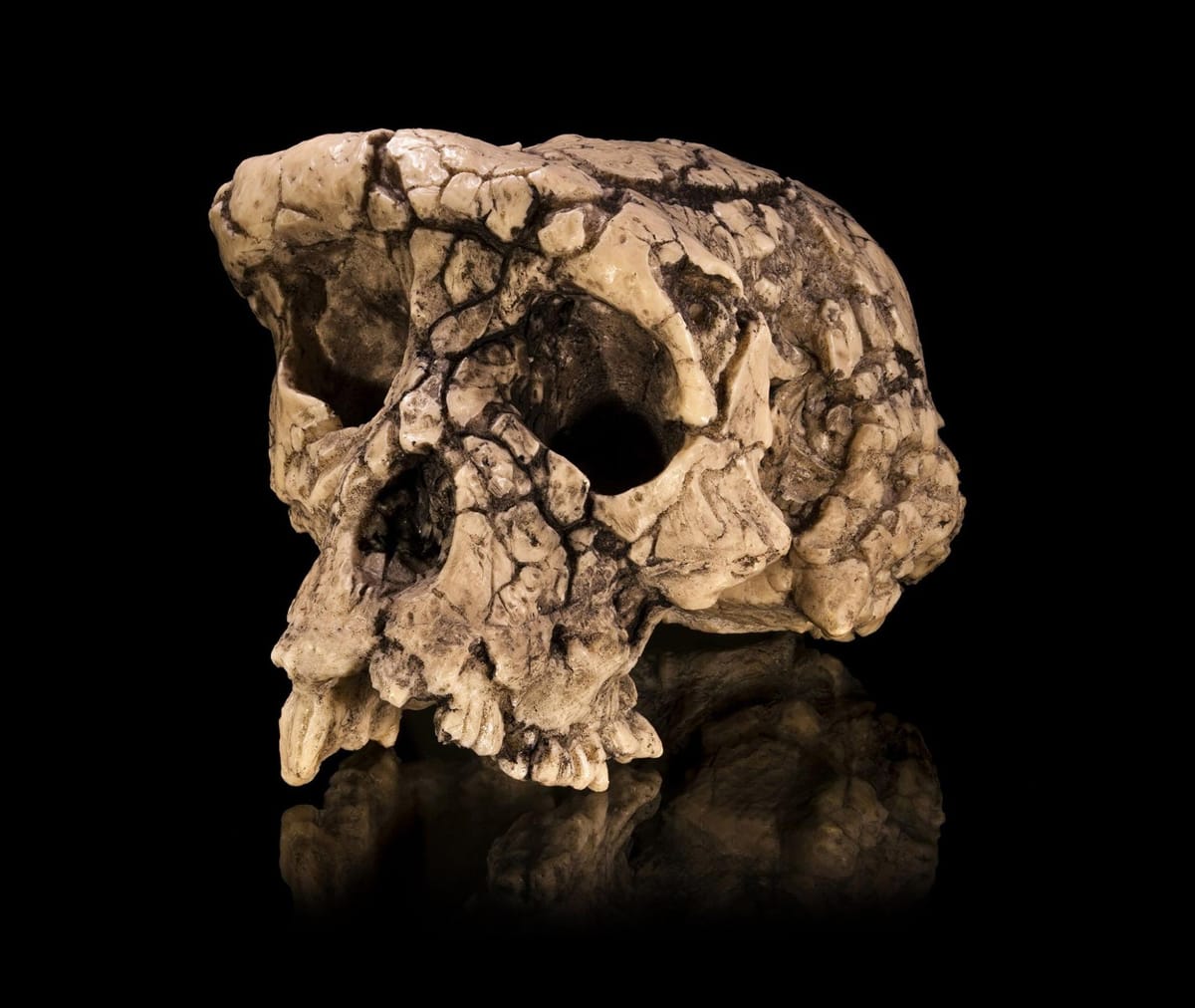
I resti del primo antenato umano, Sahelanthropus tchadensis, sono stati scoperti da un team di ricercatori. Questa scoperta rivoluzionaria conferma che questo primitivo essere umano camminava su due gambe.
La scoperta
Un team di ricercatori ha condotto uno studio approfondito sui resti del Sahelanthropus tchadensis, un antenato umano che risale a oltre 7 milioni di anni fa. I ricercatori hanno utilizzato una tecnica chiamata 3D geometric morphometrics per esaminare i resti.
Il risultato
I risultati dell'analisi mostrano che il Sahelanthropus tchadensis aveva un femur con un tubercolo femorale, una struttura ossea che è presente solo in alcuni primitivi essere umani. Questo suggerisce che questo antenato umano camminava su due gambe.
Implicazioni
La scoperta del Sahelanthropus tchadensis conferma che l'antenato umano più antico era un primitivo essere umano che camminava su due gambe. Questo ha implicazioni importanti per la nostra comprensione dell'evoluzione dell'uomo.
Conclusioni
In conclusione, la scoperta del Sahelanthropus tchadensis è una rivoluzione nella nostra comprensione dell'antenato umano più antico. Questa scoperta conferma che questo primitivo essere umano camminava su due gambe e ha implicazioni importanti per l'evoluzione dell'uomo.
Riferimenti
Per ulteriori informazioni, si consiglia di leggere lo studio pubblicato sulla rivista Science Advances.





💬 Commenti (0)
🔒 Accedi o registrati per commentare gli articoli.
Nessun commento ancora. Sii il primo a commentare!