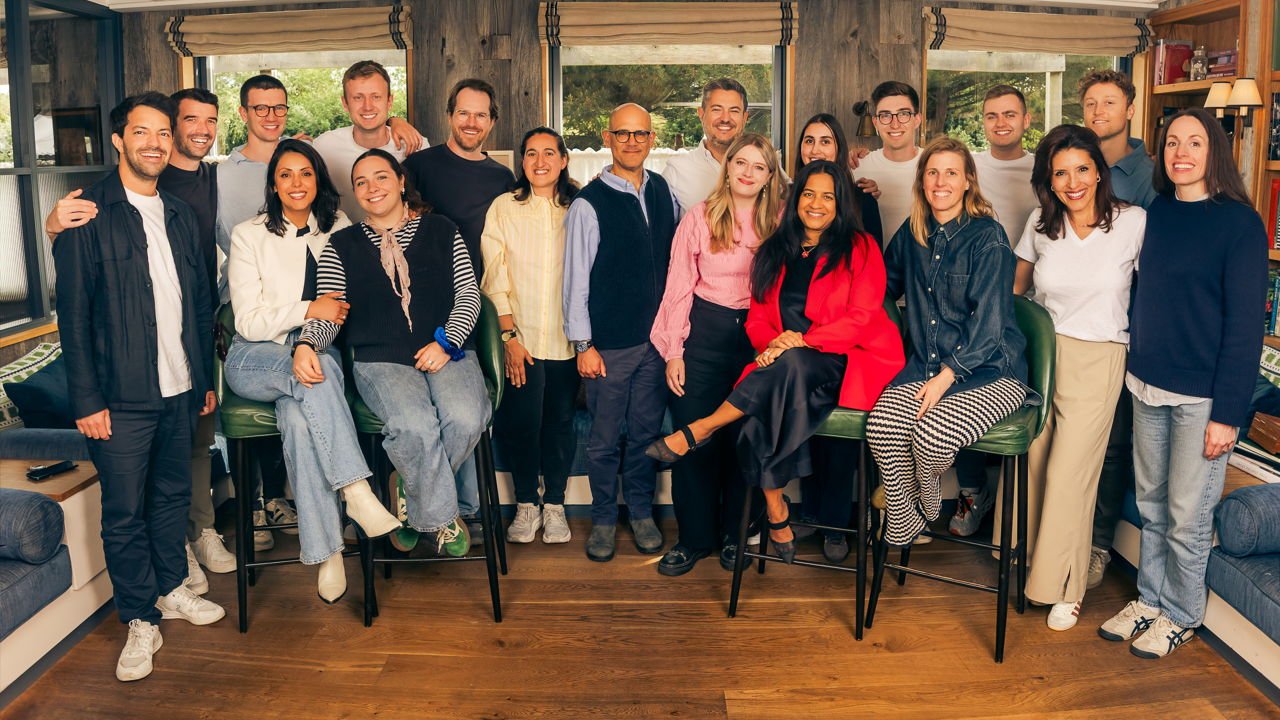
With $320 million in fresh capital, Seedcamp is poised to write a new chapter for European startups. The London-based VC, an early backer of Revolut and AI video platform Synthesia, announced the close of two funds: $220 million for Seedcamp VII, its seventh early-stage fund, and $100 million for the Select fund, targeting startups scaling toward Series B and beyond.
The raise comes seventeen years after the firm’s first $2.5 million fund and pushes assets under management past the $1 billion mark. Seedcamp’s track record includes a standout performance: Fund III has returned over 13x DPI (Distributed to Paid-In Capital) to limited partners, making it one of the strongest returns in Europe.
The most telling move, however, isn’t just the money. Seedcamp is expanding its US team and opening a permanent New York office to build what it calls a “Transatlantic Bridge.” The goal: give European founders direct access to US capital, commercial and technical hires, and customer networks from day one. The Select fund will be based in New York, where growth-stage capital concentrates.
A global chessboard for European AI
For observers of the artificial intelligence market, Seedcamp’s announcement is more than a funding story. The firm was an early believer in Synthesia, the generative video platform that embodies European AI’s potential. Like many continental startups, Synthesia navigates complex data sovereignty issues. Scaling into the US means engaging with enterprise customers that impose strict data residency and control requirements.
In this landscape, European AI startups building solutions around large language models (LLMs) often need to offer on-premise or self-hosted deployment options to comply with GDPR and the demands of regulated industries. The transatlantic bridge Seedcamp envisions is therefore not just a channel for capital, but a testing ground for proving that European technology can compete globally without sacrificing privacy and security standards.
Beyond capital: the invisible infrastructure
A New York base is more than a geographical move. For AI-intensive startups, US expansion provides access to one of the world’s most advanced hardware and cloud ecosystems. Yet many European firms are weighing hybrid architectures: cloud horsepower for training, paired with on-premise control for inference and sensitive data. That choice implicates the entire stack, from high-VRAM GPUs to serving frameworks like vLLM or Ollama, and demands significant funding.
Here, a growth fund like Seedcamp Select can be a catalyst. Resources are needed not only to hire talent but also to build secure data pipelines and adopt hosting solutions that meet European rules while competing in the American market.
An ecosystem that no longer asks permission
“There was a time when European founders waited for permission to dominate global markets. That era is over,” said Sia Houchangnia, partner at Seedcamp. “Whether it’s a teenage dropout in Warsaw, a repeat founder in Paris, or a deeptech spinout from Zurich, the level of ambition is immediate and total.”
The words read like a manifesto. Europe’s tech startup ecosystem, particularly in AI, is entering adulthood. Seedcamp’s data confirms it: the Old Continent is no longer just a talent pool but a fertile ground for companies that can lead global innovation—provided they have the right infrastructure and partnerships. The bridge to the US is the next step, and Seedcamp’s $320 million is the ticket.






💬 Comments (0)
🔒 Log in or register to comment on articles.
No comments yet. Be the first to comment!