The Critical Role of Semiconductors and Labor Tensions
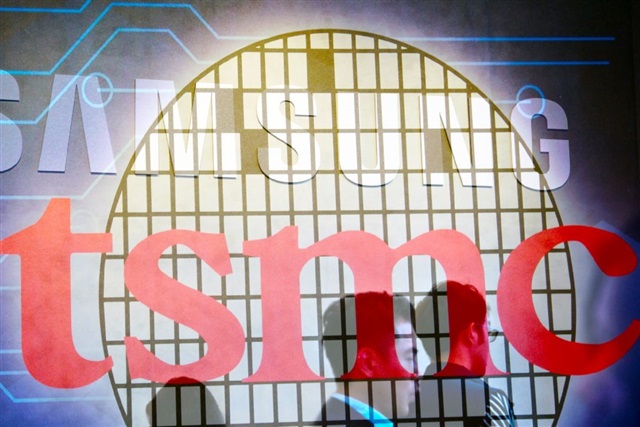
The semiconductor industry forms the backbone of modern technological innovation, powering everything from consumer devices to the most advanced artificial intelligence infrastructure. Its complexity and the geographical concentration of production make it particularly susceptible to any disruptions. Recent labor tensions at Samsung, one of the world's giants in chip manufacturing, offer a significant insight into how internal company dynamics and national workforce models can influence the stability of this global supply chain.
These events are not isolated but reflect a broader context of challenges that silicon manufacturers face, from managing highly specialized talent to the need for continuous, capital-intensive operations. For companies relying on these components for their artificial intelligence workloads, especially for on-premise Large Language Model (LLM) deployments, understanding these dynamics is crucial for strategic planning and risk mitigation.
Workforce Dynamics and Supply Chain
An analysis of semiconductor workforce models between Taiwan and South Korea reveals distinct approaches that directly impact production resilience and predictability. While both countries are undisputed leaders in chip fabrication, their corporate cultures, labor policies, and employment structures can vary significantly. These differences can translate into varying levels of operational stability and divergent responses to events such as labor disputes.
Semiconductor manufacturing requires highly specialized skills and an extremely controlled operating environment. Any disruption, whether due to staff shortages, strikes, or high turnover, can have a cascading effect throughout the entire supply chain. The ability to maintain a skilled and motivated workforce is therefore a critical factor not only for the individual company but for the entire global technology ecosystem that depends on these essential components.
Implications for On-Premise AI Infrastructure
For CTOs, DevOps leads, and infrastructure architects evaluating on-premise LLM deployments, semiconductor supply chain dynamics have direct implications. The availability of specific hardware, such as high-performance GPUs with ample VRAM, is a primary constraint. Disruptions in silicon production can lead to extended lead times, price volatility, and difficulties in procuring critical components, directly impacting the Total Cost of Ownership (TCO) of a self-hosted infrastructure.
On-premise deployment decisions are often driven by data sovereignty requirements, regulatory compliance, and complete control over the environment. However, achieving these goals depends on the ability to acquire and maintain the necessary hardware. Companies must therefore consider supply chain resilience as a key factor in their strategy, evaluating diversified sourcing options and planning well in advance. For those considering on-premise deployments, analytical frameworks are available on /llm-onpremise to help evaluate these complex trade-offs.
Future Outlook and Strategic Resilience
The future of AI infrastructure, particularly for on-premise deployments, will be increasingly influenced by macroeconomic and geopolitical factors shaping the semiconductor supply chain. Companies can no longer afford to view hardware as a commodity with unlimited availability. Workforce stability in major production hubs, such as Taiwan and South Korea, will become a crucial indicator of market predictability.
For technology decision-makers, this means integrating supply chain risk analysis into long-term strategic planning. Developing strong relationships with suppliers, exploring flexible hardware architectures, and considering procurement strategies that mitigate reliance on a single point of failure are essential steps. The ability to navigate this complex landscape will determine the effectiveness and sustainability of future artificial intelligence deployments.








💬 Comments (0)
🔒 Log in or register to comment on articles.
No comments yet. Be the first to comment!