Silex Microsystems debutta sul Nasdaq Stockholm con un forte rialzo
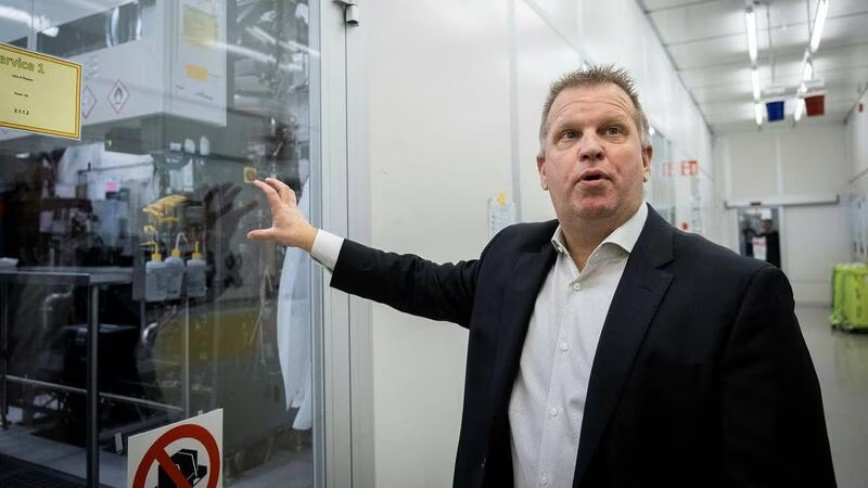
Silex Microsystems, una fonderia specializzata nella produzione di sistemi micro-elettro-meccanici (MEMS), ha fatto il suo ingresso sul Nasdaq Stockholm, registrando un debutto di successo. L'azienda, sostenuta da Bure Equity e Creades, ha visto le sue azioni aprire in forte rialzo, segnalando un notevole interesse da parte del mercato. Questo evento sottolinea l'importanza crescente delle tecnicie di produzione di silicio specializzate nel panorama tecnicico globale.
L'offerta pubblica iniziale (IPO) ha fissato il prezzo delle azioni a 81 corone svedesi (SEK) per azione, con una domanda che ha superato di diverse volte l'offerta disponibile. Questa forte sottoscrizione ha portato la valutazione complessiva dell'azienda a un Enterprise Value di 8,9 miliardi di SEK. Un gruppo di investitori di primo piano, tra cui Capital Research, Fidelity, AFA, AP2, AP3, AP4, Swedbank Robur e Carnegie, ha acquisito circa il 75% dell'intera operazione, consolidando la fiducia nel modello di business e nelle prospettive future di Silex Microsystems.
Il ruolo strategico delle fonderie MEMS nel panorama tech
Silex Microsystems si posiziona come una "pure-play MEMS foundry", ovvero una fonderia interamente dedicata alla produzione di MEMS. Questi sistemi sono componenti cruciali in un'ampia gamma di dispositivi, dai sensori per smartphone e dispositivi indossabili, ai sistemi di navigazione per l'automotive, fino a strumentazioni mediche e industriali. La loro capacità di integrare funzionalità meccaniche ed elettroniche su scala microscopica li rende indispensabili per l'innovazione in settori che richiedono miniaturizzazione, precisione e basso consumo energetico.
La produzione di MEMS è un processo complesso che richiede competenze specialistiche e infrastrutture dedicate. Le fonderie come Silex Microsystems giocano un ruolo fondamentale nella catena di approvvigionamento tecnicica, fornendo i componenti di base che abilitano lo sviluppo di prodotti finali sempre più sofisticati. Per le aziende che sviluppano soluzioni AI, in particolare quelle che operano all'edge o che necessitano di dati da sensori ad alta precisione, la disponibilità di fornitori affidabili di MEMS è un fattore abilitante critico.
Implicazioni per il mercato e la supply chain del silicio
Il successo dell'IPO di Silex Microsystems riflette un crescente apprezzamento del mercato per le aziende che operano nella produzione di silicio specializzato. In un'epoca caratterizzata da una domanda esponenziale di chip e da sfide nella supply chain globale, la capacità di produrre componenti critici come i MEMS assume un'importanza strategica. Gli investimenti in fonderie dedicate contribuiscono a rafforzare l'ecosistema produttivo, riducendo la dipendenza da pochi grandi attori e promuovendo l'innovazione.
Per i decision-maker tecnici e gli architetti di infrastrutture, la salute e la diversificazione della supply chain del silicio sono aspetti cruciali. La stabilità e la capacità produttiva di fonderie come Silex possono influenzare i costi e i tempi di consegna per lo sviluppo di nuovi prodotti e soluzioni, inclusi quelli che integrano capacità di intelligenza artificiale. La valutazione di 8,9 miliardi di SEK e l'interesse degli investitori indicano una prospettiva positiva per il settore, suggerendo che il mercato riconosce il valore intrinseco di queste competenze manifatturiere.
Prospettive future per l'innovazione hardware
Il debutto in borsa di Silex Microsystems evidenzia la continua rilevanza delle fondamenta hardware per l'avanzamento tecnicico. Mentre l'attenzione è spesso rivolta ai Large Language Models o ai Framework software, è il silicio sottostante a rendere possibili queste innovazioni. La specializzazione in MEMS permette di creare sensori più intelligenti, attuatori più efficienti e interfacce uomo-macchina più intuitive, elementi che saranno sempre più integrati nelle architetture AI, specialmente in contesti di edge computing e IoT.
Per le organizzazioni che considerano deployment on-premise di soluzioni AI, la disponibilità di hardware robusto e specializzato è un fattore chiave per ottimizzare il TCO e garantire la sovranità dei dati. Il successo di aziende come Silex Microsystems contribuisce a un ecosistema hardware più resiliente e innovativo, essenziale per supportare le crescenti esigenze di calcolo e sensing dell'era dell'intelligenza artificiale. Questo rafforza l'idea che l'innovazione non risiede solo nel software, ma anche e soprattutto nella capacità di produrre hardware all'avanguardia.



💬 Commenti (0)
🔒 Accedi o registrati per commentare gli articoli.
Nessun commento ancora. Sii il primo a commentare!