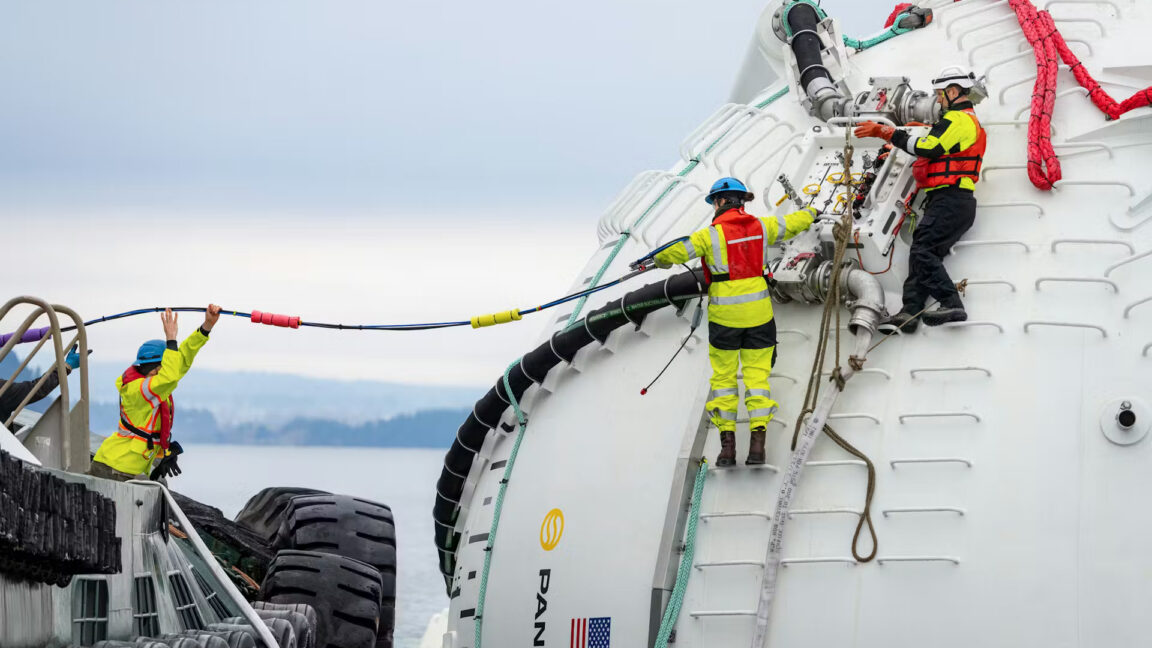
L'Oceano come Nuova Frontiera per i Data Center AI
Gli investitori della Silicio Valley stanno puntando centinaia di milioni di dollari su una visione audace: data center per l'intelligenza artificiale che galleggiano in mezzo agli oceani, alimentati dall'energia delle onde. Questa mossa strategica emerge in un momento in cui le aziende tecniciche affrontano crescenti difficoltà nella realizzazione di progetti di data center AI a terra, tra problemi di spazio, accesso all'energia e vincoli normativi. L'approccio innovativo mira a risolvere alcune delle sfide più pressanti legate all'infrastruttura AI su larga scala.
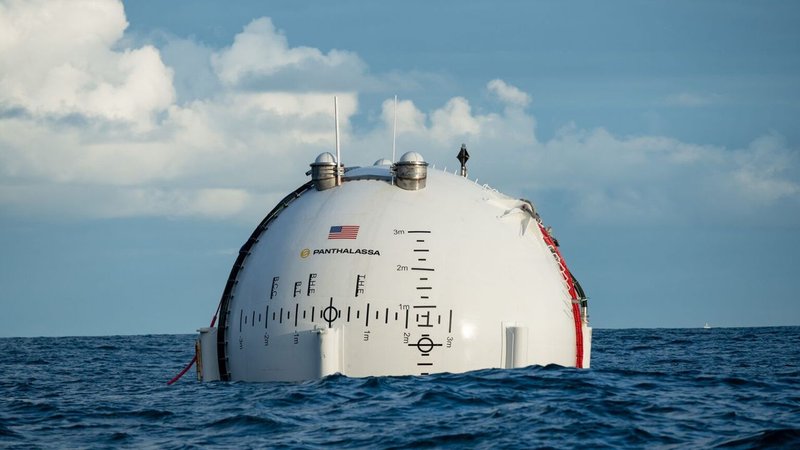
L'ultima iniezione di capitale, pari a 140 milioni di dollari, è stata destinata a Panthalassa, un'azienda che si propone di completare un impianto di produzione pilota vicino a Portland, in Oregon. L'obiettivo è accelerare il deployment di "nodi" galleggianti, progettati per generare energia elettrica direttamente dalle onde. Tra gli investitori di spicco figura Peter Thiel, co-fondatore di Palantir, a testimonianza dell'interesse di figure chiave del settore per soluzioni infrastrutturali non convenzionali.
Dettagli Tecnici e Operativi dei Nodi Galleggianti
Il cuore della proposta di Panthalassa risiede nella capacità di questi nodi galleggianti di convertire l'energia delle onde in elettricità. A differenza dei sistemi tradizionali che invierebbero l'energia rinnovabile a un data center basato a terra, i nodi di Panthalassa alimenterebbero direttamente i chip AI a bordo. Questa architettura elimina la necessità di costose e complesse infrastrutture di trasmissione energetica su lunghe distanze.
Una volta elaborati i carichi di lavoro AI, i nodi trasmetterebbero i token di inference, ovvero gli output dei modelli AI, ai clienti in tutto il mondo tramite un collegamento satellitare. Benjamin Lee, architetto informatico e ingegnere presso l'Università della Pennsylvania, ha sottolineato come l'idea di Panthalassa "trasformi un problema di trasmissione di energia in un problema di trasmissione di dati". Questo implica che i modelli AI dovrebbero essere trasferiti ai nodi oceanici, che poi risponderebbero a prompt e query, gestendo l'inference in loco.
Contesto e Implicazioni per il Deployment
L'emergere di soluzioni come quella proposta da Panthalassa riflette una tendenza più ampia nel settore tecnicico: la ricerca di alternative ai tradizionali deployment di data center. Le infrastrutture AI, in particolare quelle che supportano Large Language Models (LLM), richiedono quantità massicce di energia e risorse di raffreddamento, rendendo i siti terrestri sempre più problematici. I vincoli spaziali, le normative ambientali e i costi immobiliari spingono le aziende a esplorare opzioni innovative.
Per le organizzazioni che valutano deployment on-premise o soluzioni self-hosted, l'approccio di Panthalassa introduce un nuovo paradigma. Sebbene non sia un "on-premise" nel senso classico, offre un controllo dedicato sull'infrastruttura e sulla sovranità dei dati, aspetti cruciali per settori con stringenti requisiti di compliance. Tuttavia, comporta anche trade-off significativi, come la complessità logistica del deployment e della manutenzione in ambiente marino, oltre alla dipendenza da collegamenti satellitari per la trasmissione dei dati. AI-RADAR offre framework analitici su /llm-onpremise per valutare questi trade-off, considerando il Total Cost of Ownership (TCO) e le specifiche infrastrutturali.
Prospettive Future e Sfide
Il progetto di Panthalassa, con il suo impianto pilota in fase di completamento, rappresenta un passo significativo verso la validazione di questa tecnicia. La capacità di scalare il deployment di questi nodi galleggianti e di garantire la loro operatività affidabile in condizioni marine estreme sarà fondamentale per il successo a lungo termine. Le sfide includono la robustezza dell'hardware, la gestione della connettività satellitare e la sicurezza fisica dei nodi.
Questa visione di data center AI galleggianti potrebbe non solo alleviare la pressione sulle risorse terrestri, ma anche aprire nuove possibilità per il deployment di carichi di lavoro AI in località remote o per applicazioni che beneficiano della vicinanza a fonti di energia rinnovabile. Resta da vedere come il settore affronterà le complessità operative e i costi iniziali di un'infrastruttura così radicalmente diversa, ma l'investimento massiccio indica una fiducia crescente nella fattibilità di queste soluzioni innovative.






💬 Commenti (0)
🔒 Accedi o registrati per commentare gli articoli.
Nessun commento ancora. Sii il primo a commentare!