
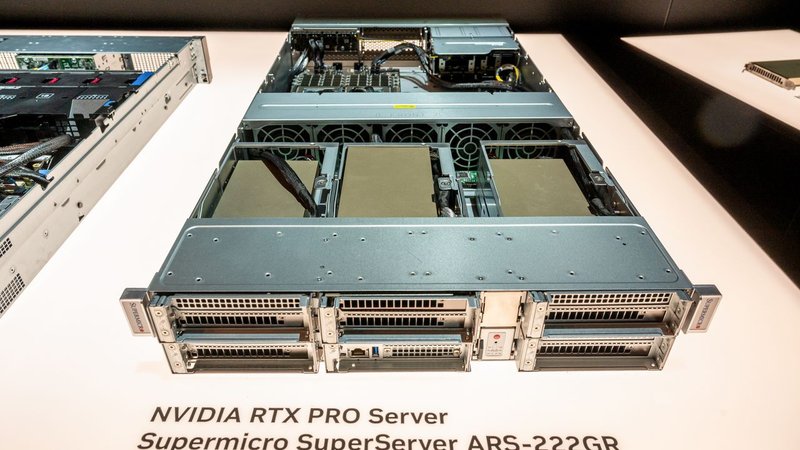
Singapore has filed additional fraud and money laundering charges in an investigation involving server shipments linked to Nvidia, marking a new chapter in a case still shrouded in investigative confidentiality. Exact details of the charges and the companies involved have not been disclosed, but the news casts a shadow over the supply chain for AI hardware.
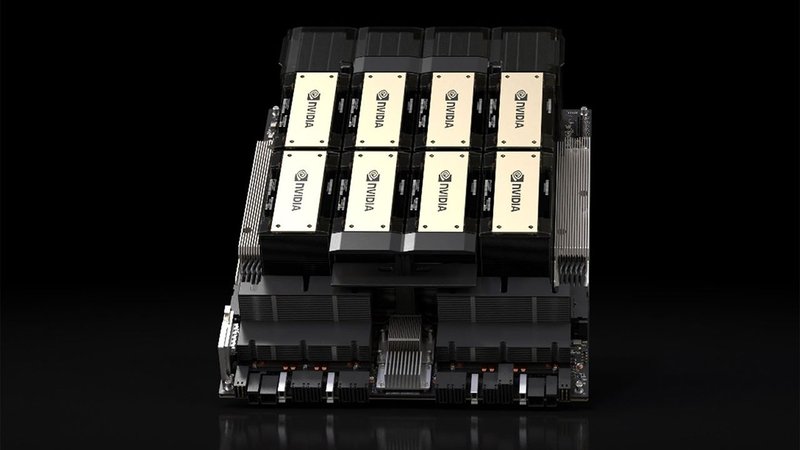
The case matters because Nvidia dominates the GPU market for LLMs, and its server ecosystem is the backbone of many on-premise infrastructures. Any irregularity touching the supply chain — from export licenses to financial triangulations — can lead to delays, stricter scrutiny, and tougher compliance requirements for end buyers.
For those managing on-premise deployments, hardware provenance is not a bureaucratic detail. Servers purchased through opaque channels can expose organizations to legal and audit risks, especially in regulated sectors where data sovereignty and component traceability are under review. Sanctions or seizures stemming from such investigations halt operations and upend TCO calculations, turning an apparent cost saving into a hidden liability.
The ongoing investigation signals growing scrutiny by authorities over the flow of strategic technologies. In recent months, several jurisdictions have tightened export controls on advanced semiconductors, and Singapore, as a logistics and financial hub, is a natural checkpoint. The case highlights an unresolved tension: the hunger for LLM compute capacity pushes buyers toward fast, competitive procurement, but haste can sideline due diligence on suppliers.
This is not the first time the AI hardware market has faced allegations of irregular conduct. Episodes of triangulation to circumvent embargoes or false end-use declarations have already surfaced elsewhere. However, the direct connection to a name like Nvidia — even if only as a component supplier and not necessarily a subject of the investigation — magnifies the symbolic weight of the story.
For organizations evaluating bringing models in-house with self-hosted infrastructure, this news adds a piece to the risk map. Selecting the right GPU or sizing VRAM is not enough: verifying the integrity of the procurement chain is equally critical. In a long-term view, supplier transparency affects the resilience of the entire stack as much as component quality does.







💬 Comments (0)
🔒 Log in or register to comment on articles.
No comments yet. Be the first to comment!