L'impegno di Singapore contro la crescita senza occupazione
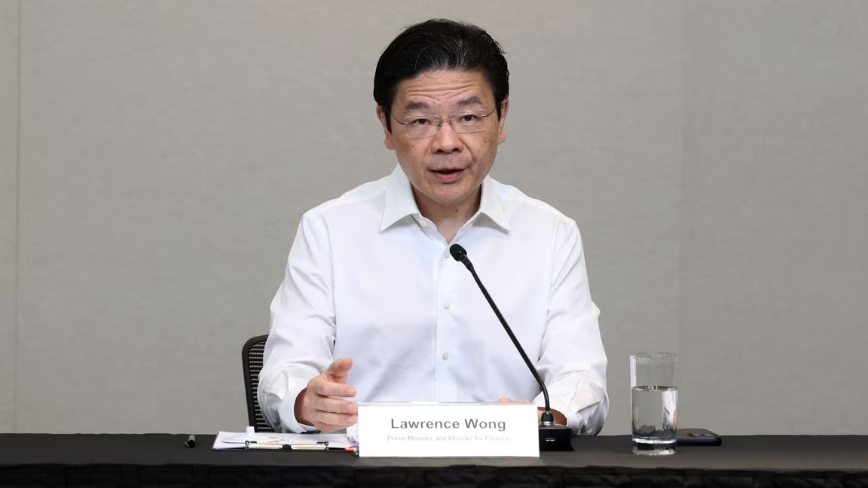
Il parlamento di Singapore ha preso una posizione chiara e decisa riguardo all'impatto dell'intelligenza artificiale sull'economia e sul mercato del lavoro. Come riportato da Bloomberg, citando Channel NewsAsia, il paese si è impegnato formalmente a non assistere a una crescita economica che non sia accompagnata da un'adeguata creazione di posti di lavoro, nonostante la profonda trasformazione che l'IA sta portando. Questa dichiarazione riafferma una posizione già espressa dal Primo Ministro Lawrence Wong lo scorso febbraio, durante il dibattito parlamentare sul Bilancio 2026.
L'impegno di Singapore è significativo in quanto rappresenta una delle promesse più esplicite e vincolanti a livello globale da parte di una nazione importante, volta a mitigare le potenziali ricadute negative dell'IA sull'occupazione. In un contesto internazionale dove il dibattito sull'automazione e la sostituzione dei lavori è sempre più acceso, la mossa di Singapore sottolinea la necessità di un approccio proattivo e strategico per bilanciare l'innovazione tecnicica con la stabilità sociale ed economica.
L'IA e la trasformazione del mercato del lavoro: una prospettiva globale
L'avanzamento degli LLM e delle tecnicie di intelligenza artificiale sta ridisegnando rapidamente il panorama occupazionale a livello mondiale. Se da un lato l'IA promette di aumentare l'efficienza, la produttività e di creare nuove opportunità in settori emergenti, dall'altro solleva legittime preoccupazioni riguardo alla potenziale dislocazione di ruoli tradizionali. Molte aziende stanno già valutando come integrare l'IA nelle loro pipeline operative, dall'automazione dei processi alla generazione di contenuti, con un impatto diretto sulle competenze richieste alla forza lavoro.
Per le organizzazioni, la sfida non è solo tecnicica, ma anche strategica e umana. È fondamentale investire in programmi di reskilling e upskilling per preparare i dipendenti ai nuovi ruoli e alle nuove competenze che l'era dell'IA richiederà. Questo include la capacità di interagire con sistemi di IA, di interpretare i dati che essi producono e di gestire processi sempre più automatizzati. La capacità di adattarsi e di guidare questa transizione sarà un fattore critico per la competitività futura.
Strategie di Deployment e impatto socio-economico
Le decisioni relative al deployment di soluzioni AI, che siano on-premise, in cloud o in configurazioni ibride, non hanno solo implicazioni tecniche ed economiche, ma possono anche influenzare la capacità di un'azienda di gestire la transizione della propria forza lavoro e di rispondere a impegni come quello di Singapore. Un deployment self-hosted, ad esempio, offre un controllo maggiore sulla sovranità dei dati e sulla sicurezza, aspetti cruciali per settori regolamentati, ma richiede anche un investimento significativo in hardware, come GPU con VRAM adeguata, e in competenze tecniche interne per la gestione dell'infrastruttura.
Questo approccio può favorire lo sviluppo di un ecosistema di competenze locali, contribuendo indirettamente a mitigare la crescita senza occupazione attraverso la creazione di ruoli altamente specializzati. Al contrario, un deployment basato esclusivamente sul cloud può offrire maggiore flessibilità e scalabilità, ma può comportare costi operativi (OpEx) elevati nel lungo termine e una minore trasparenza sui processi di gestione dei dati e delle risorse. La valutazione del TCO, che include non solo i costi diretti ma anche quelli legati alla formazione e all'adattamento della forza lavoro, diventa quindi essenziale. Per chi valuta deployment on-premise, AI-RADAR offre framework analitici su /llm-onpremise per valutare questi trade-off complessi, considerando sia gli aspetti tecnici che quelli economici e sociali.
Il futuro dell'occupazione nell'era dell'intelligenza artificiale
L'impegno di Singapore è un esempio lampante di come i governi stiano cercando di affrontare le sfide poste dall'intelligenza artificiale in modo proattivo. Per le imprese, questo si traduce nella necessità di adottare un approccio olistico all'integrazione dell'IA, che vada oltre la mera implementazione tecnicica. È fondamentale bilanciare l'innovazione con la responsabilità sociale, considerando l'impatto delle proprie scelte non solo sui profitti, ma anche sul benessere dei dipendenti e sulla stabilità del mercato del lavoro.
L'intelligenza artificiale ha il potenziale per migliorare significativamente la produttività e sbloccare nuove frontiere di innovazione. Tuttavia, la sua integrazione di successo richiederà una collaborazione continua tra decisori politici, leader aziendali e lavoratori, per garantire che i benefici siano ampiamente distribuiti e che la transizione verso un'economia guidata dall'IA sia equa e sostenibile per tutti. La consapevolezza di questi vincoli e trade-off è cruciale per ogni CTO o responsabile delle decisioni tecniciche oggi.







💬 Commenti (0)
🔒 Accedi o registrati per commentare gli articoli.
Nessun commento ancora. Sii il primo a commentare!