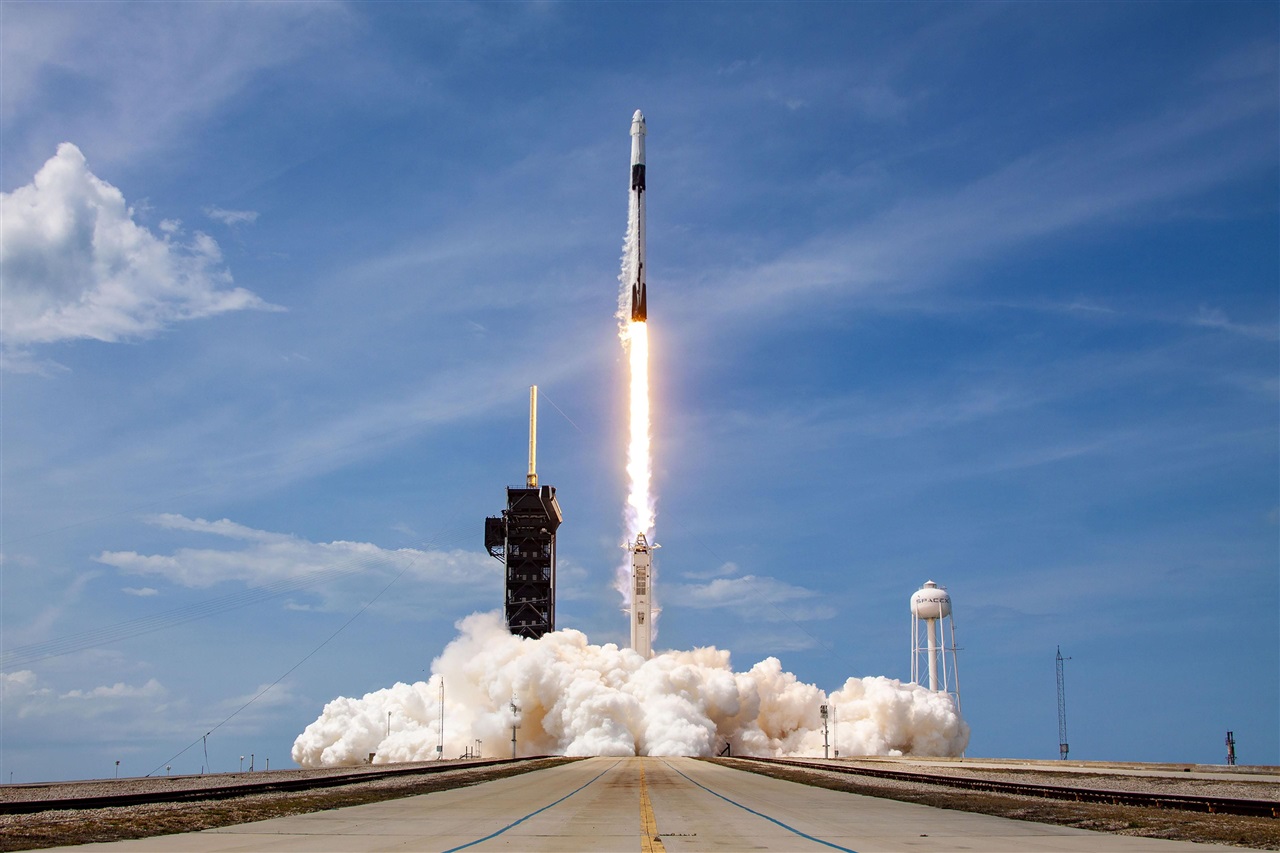
SpaceX and Tesla: Strategic Hardware Moves
The current technological landscape is marked by an incessant race towards the optimization and control of computational resources. In this context, two innovation giants like SpaceX and Tesla are defining their hardware strategies with distinct approaches that converge on the goal of maximizing performance. SpaceX is evaluating a significant expansion of its GPU capabilities, a move that underscores the growing demand for computing power for intensive workloads.
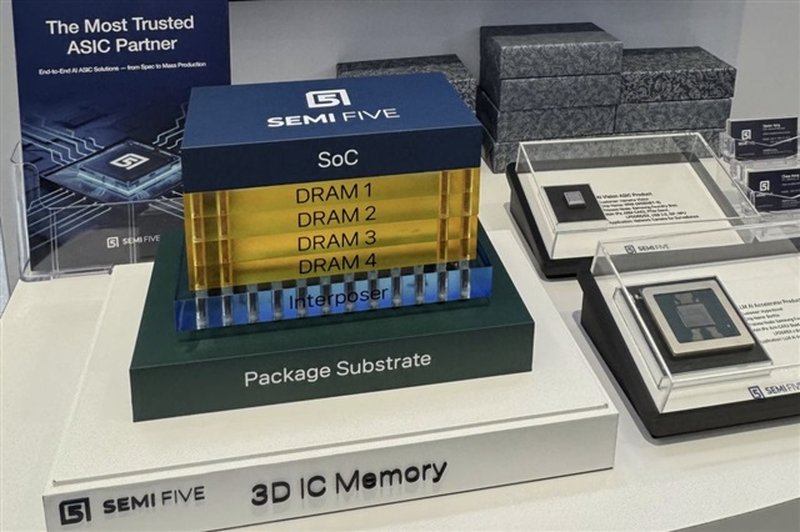
In parallel, Tesla has forged a collaboration with Samsung for the upgrade of its chips. This decision highlights the trend of companies seeking customized solutions for their specific needs, ensuring optimal efficiency and performance for critical applications such as autonomous driving and in-vehicle artificial intelligence. Both strategies reflect a deep awareness of the importance of silicio in the AI era.
The Strategic Importance of GPUs and Custom Silicio
SpaceX's interest in a "GPU push" is not coincidental. Large Language Models (LLM) and artificial intelligence workloads require a massive amount of VRAM and parallel processing capability, intrinsic characteristics of modern GPUs. For companies operating with complex simulations, large-scale data analysis, or the development of proprietary AI models, access to a robust GPU infrastructure is fundamental. This can translate into the need to build or expand self-hosted data centers to maintain control over performance, latency, and data sovereignty.
On the other hand, Tesla's choice to collaborate with Samsung for custom chips is part of a vertical integration strategy. Designing specific silicio allows hardware to be optimized for precise tasks, such as the low-latency AI Inference required by autonomous driving systems. This approach can lead to significant advantages in terms of energy efficiency and throughput, crucial elements for edge devices and for reducing the Total Cost of Ownership (TCO) in the long term.
Implications for On-Premise Deployment and Data Sovereignty
SpaceX's and Tesla's decisions reflect a broader trend in the tech sector: the pursuit of greater control over computational infrastructure. For many companies, the choice between on-premise deployment and using public cloud services for AI workloads is a strategic issue. Investing in GPUs and custom chips, like those considered by SpaceX and Tesla, often implies a commitment to self-hosted or hybrid solutions. This allows addressing constraints related to data sovereignty, regulatory compliance (such as GDPR), and security in air-gapped environments.
Managing one's own hardware stack, although requiring a higher initial investment (CapEx), can offer a lower TCO in the long run for predictable, high-volume workloads. Furthermore, it ensures granular control over resources, allowing specific optimizations for proprietary LLMs or machine learning pipelines. For those evaluating on-premise deployment, AI-RADAR offers analytical frameworks on /llm-onpremise to assess the trade-offs between costs, performance, and control.
The Future of Hardware Control in the AI Era
SpaceX's and Tesla's strategies underscore a crucial point: in the era of artificial intelligence, control over hardware is no longer just a competitive advantage, but a fundamental component of corporate strategy. The ability to acquire, develop, and manage cutting-edge silicio and GPUs directly determines the speed of innovation, operational efficiency, and the ability to protect sensitive data.
As the demand for computing power continues to grow exponentially, competition for hardware resources, particularly high-end GPUs, intensifies. Companies that successfully navigate these challenges, whether through expanding their GPU capabilities or developing custom chips, will be better positioned to lead the next cycle of innovation in artificial intelligence.






💬 Comments (0)
🔒 Log in or register to comment on articles.
No comments yet. Be the first to comment!