Un'innovazione nella manifattura additiva
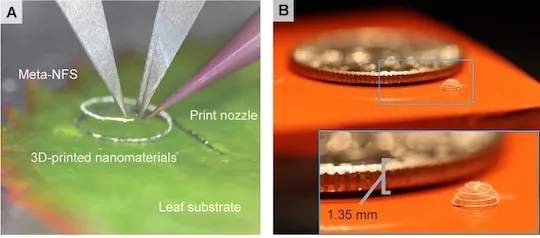
La stampa 3D continua a evolversi, spingendosi oltre la semplice creazione di prototipi o componenti meccanici. Una recente ricerca ha svelato un approccio innovativo che promette di rivoluzionare la manifattura additiva, consentendo l'integrazione diretta di circuiti elettronici all'interno di oggetti stampati. Questa metodologia si basa sull'utilizzo di microonde per riscaldare il filamento della stampante 3D, offrendo un controllo termico senza precedenti.
L'aspetto più significativo di questa scoperta risiede nella capacità di fondere componenti elettronici direttamente nel cuore di un oggetto durante il processo di stampa. Questo apre scenari inediti per la progettazione e la funzionalità di dispositivi complessi, superando le limitazioni delle tecniche attuali che spesso richiedono l'assemblaggio post-stampa o l'uso di materiali conduttivi specifici, che possono compromettere l'integrità strutturale o le proprietà meccaniche del prodotto finale.
Dettagli tecnici e precisione chirurgica
Il cuore di questa tecnicia risiede nella capacità di riscaldare il filamento con una precisione straordinaria, paragonabile alla larghezza di un capello umano. Questo livello di controllo termico è fondamentale per integrare delicati componenti elettronici senza danneggiarli o alterarne le proprietà. Le microonde, agendo selettivamente sul materiale del filamento, permettono di creare zone di fusione localizzate, essenziali per la formazione di connessioni elettriche precise e affidabili all'interno della struttura stampata.
Questa metodologia differisce dagli approcci tradizionali, che spesso si affidano a tecniche di stampa multi-materiale o all'inserimento manuale di componenti. La capacità di "fondere" i circuiti internamente significa che questi sono protetti dall'ambiente esterno, riducendo il rischio di danni meccanici o corrosione. Tale precisione apre la strada alla creazione di sensori miniaturizzati, attuatori integrati e dispositivi IoT (Internet of Things) con geometrie complesse e funzionalità avanzate, impossibili da realizzare con i metodi convenzionali.
Implicazioni per l'industria e il deployment on-premise
Per le aziende che operano in settori ad alta tecnicia, come la difesa, l'aerospaziale o la biomedicina, questa innovazione offre vantaggi considerevoli. La possibilità di produrre internamente componenti con circuiti integrati riduce la dipendenza da catene di fornitura esterne, garantendo maggiore controllo sulla proprietà intellettuale e sulla qualità del prodotto. Questo si allinea perfettamente con la filosofia dei deployment on-premise, dove la sovranità dei dati e il controllo sull'infrastruttura sono prioritari.
Analogamente a come le organizzazioni scelgono di implementare Large Language Models (LLM) su infrastrutture self-hosted per mantenere il pieno controllo sui dati e sui modelli, questa tecnicia di stampa 3D consente un controllo granulare sul processo di produzione fisico. Per chi valuta deployment on-premise, AI-RADAR offre framework analitici su /llm-onpremise per valutare i trade-off tra costi, sicurezza e prestazioni. Nel contesto della manifattura, un approccio simile permette di ottimizzare il Total Cost of Ownership (TCO) riducendo i costi di assemblaggio, logistica e gestione dei fornitori, pur richiedendo un investimento iniziale in attrezzature specializzate.
Prospettive future e sfide tecniciche
Sebbene promettente, questa tecnicia è ancora nelle fasi iniziali di sviluppo. Le sfide future includeranno l'ottimizzazione dei materiali compatibili con il riscaldamento a microonde, l'aumento della velocità di stampa e la scalabilità del processo per la produzione di massa. Tuttavia, il potenziale è immenso: dalla creazione di dispositivi medici personalizzati con sensori integrati, a componenti robotici più compatti e funzionali, fino a sistemi elettronici embedded per applicazioni industriali critiche.
Questa ricerca sottolinea una tendenza più ampia verso l'integrazione funzionale nella manifattura additiva, dove gli oggetti non sono più solo strutture passive, ma sistemi attivi e intelligenti. La capacità di "stampare" l'elettronica direttamente all'interno degli oggetti rappresenta un passo significativo verso la realizzazione di una nuova generazione di prodotti smart, aprendo nuove frontiere per l'innovazione tecnicica e la produzione industriale.








💬 Commenti (0)
🔒 Accedi o registrati per commentare gli articoli.
Nessun commento ancora. Sii il primo a commentare!