
Starling Bank: A Two-Speed Balance Sheet
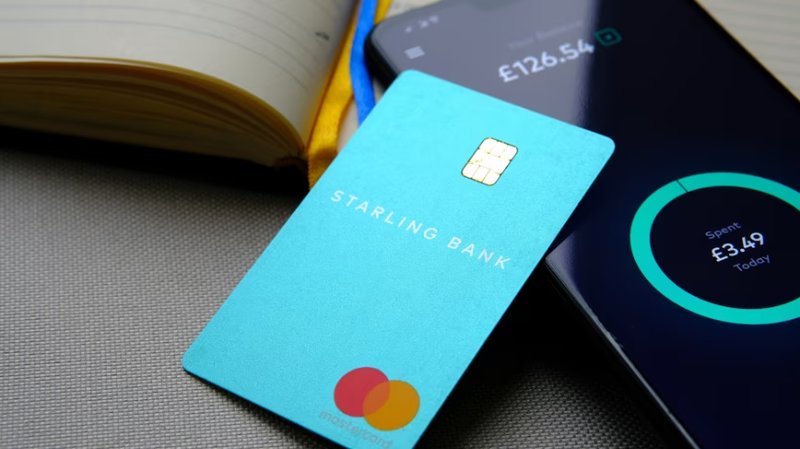
Starling Bank, the UK challenger bank with over six million customers, has released its latest financial results, revealing a mixed picture. While the company reported an overall decline in profits and revenues, its Software-as-a-Service (SaaS) subsidiary showed robust growth, highlighting a strategic diversification of revenue streams.
For the fiscal year ending March 2026, Starling's pre-tax profits decreased by three percent, settling at £217 million. Concurrently, revenues fell from £940 million to £887 million. This contraction was primarily attributed to a decrease in interest income, which dropped from £882 million to £759 million, due to lower interest rates during the reporting period.
Engine: The SaaS Platform Driving Global Expansion
In stark contrast to the bank's overall results, its subsidiary Engine, the SaaS platform launched by Starling in 2022, delivered an exceptional performance. Engine, which employs approximately 300 people, doubled its client base to four and saw its revenues grow by 25% year-on-year, reaching £10.9 million.
A significant milestone for Engine was the signing of a 10-year agreement with Tangerine, a subsidiary of Scotiabank in Canada. This agreement marks Engine's entry into the North American market, representing its first client in the region. For organizations evaluating the adoption of SaaS platforms, especially in regulated sectors like banking, the choice of underlying infrastructure is crucial. Deployment decisions, whether self-hosted, hybrid, or cloud-based, must consider factors such as data sovereignty, regulatory compliance (e.g., GDPR), and the need to ensure high throughput and low latency. Engine's ability to attract international clients underscores the importance of a robust and scalable architecture, capable of meeting stringent security and performance requirements, which are fundamental for those operating with sensitive and mission-critical workloads.
Key Figures for the Challenger Bank
Despite the decline in profits and revenues, Starling Bank continued to expand its customer base and transaction volume. The number of customer accounts across the banking group grew from 5.3 million to 6.2 million over the year. Transaction volume increased from £197.1 billion to £216.7 billion, while the average deposit balance per customer grew by 7.9%, reaching £4,241.
These figures indicate continued customer trust in Starling's platform. The company also highlighted that a significant portion of its users consider it their main bank: 56% of SME (small and medium-sized enterprise) customers and 32.5% of retail customers use Starling as their primary banking institution. This market penetration, combined with the growth in transactional volume, suggests a solid operational foundation that can support future growth strategies.
Future Outlook and Growth Strategy
Raman Bhatia, CEO of Starling Bank, commented on the results by emphasizing the company's resilience: “We have delivered a fifth consecutive year of profitability while continuing to invest in the business – from deepening UK customer relationships to scaling our technology platform globally.”
This statement highlights Starling's commitment to balancing profitability with strategic investments, particularly in expanding its technological offering worldwide through Engine. A bank's ability to innovate through tech subsidiaries like Engine is a key factor in maintaining competitiveness in a rapidly evolving financial market. For technical decision-makers, the global scalability strategy of platforms like Engine implies the need to carefully evaluate operational expenditures (OpEx) and capital expenditures (CapEx), as well as the overall TCO of infrastructure solutions, whether opting for an on-premise deployment or a hybrid or cloud model.







💬 Comments (0)
🔒 Log in or register to comment on articles.
No comments yet. Be the first to comment!