
Starling Bank: A Targeted Strategy for the United States
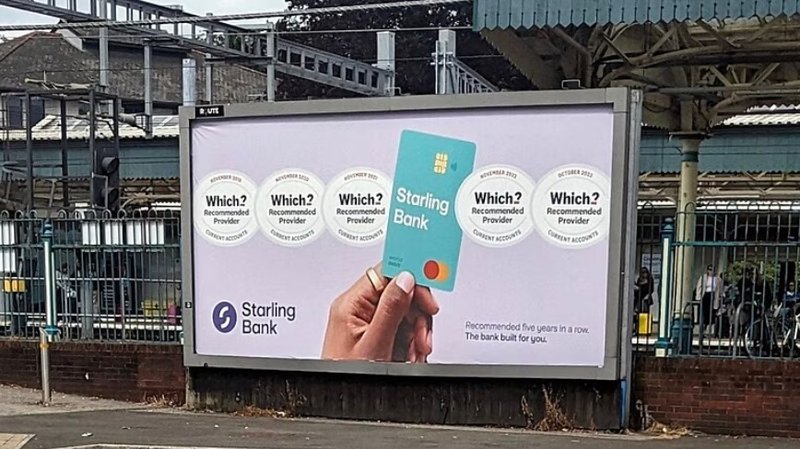
Starling Bank, the renowned UK-based challenger bank, has announced its plans for expansion into the US market, adopting a strategic approach that bypasses the retail banking sector. This decision, communicated by Chief Financial Officer Declan Ferguson, reflects a careful assessment of the competitive American landscape, which he described as "massively overserved" for traditional banking offerings. The primary objective is to diversify and grow revenues, focusing on a more scalable business model less exposed to direct competition.
The bank, which boasts nearly five million customers, therefore has no intention of replicating its retail offering overseas. Ferguson emphasized the difficulty for a British retail bank to find a "unique selling point" in such a crowded market, highlighting the limited opportunities for success in that context. This move signals a clear strategic direction, distinguishing Starling from other players who have attempted or are attempting a direct entry into US retail.
Engine: The Cloud-Native Platform at the Core of Expansion
At the heart of Starling's US strategy is Engine, its business-to-business (B2B) offering. Launched as a subsidiary in 2022, Engine represents the pivot of Starling's revised global strategy. The platform positions itself as a "cloud native, complete banking platform," designed to enable clients to rapidly build and enhance digital services, such as onboarding and savings account management.
Engine has already established a Delaware subsidiary and opened a New York office, from which former McKinsey partner Jody Bhagat will lead the expansion into the US market. With approximately 300 employees, Engine has already demonstrated its ability to attract significant clients, such as Tangerine Bank, a subsidiary of Scotiabank in Canada, which is its largest client to date. This focus on B2B allows Starling to capitalize on its core technology, offering infrastructural solutions to other financial institutions.
Targeted Acquisitions and Market Context
To consolidate its presence in the United States, Starling will not directly apply for a national banking license. Instead, the company will undertake a "more modest acquisition" of an existing US bank. This strategy aims to quickly obtain an operational license, avoiding the complexities and lengthy timelines associated with the direct application process. The goal is to establish itself in the American market within the next two years, an ambitious timeframe that underscores the strategic importance of this move.
The competitive landscape for British challenger banks in the United States is dynamic. While Monzo recently announced its exit from the US market, another British rival, Revolut, has submitted a fresh bid for a national US banking license. These differing strategies highlight the unique challenges and opportunities that European fintechs face in attempting to penetrate the complex and regulated US financial sector.
Future Prospects and Revenue Diversification
Starling's decision to focus on B2B in the United States through Engine reflects a clear priority on revenue diversification and optimizing the Total Cost of Ownership (TCO) for its international expansion. By avoiding the costly and competitive retail market, the bank aims to leverage its proprietary technology to generate stable and scalable revenue streams by providing banking infrastructure to third parties.
This approach also offers advantages in terms of control and data sovereignty, crucial aspects for financial institutions operating in regulated environments. Although Engine is a cloud-native platform, the choice of a local acquisition for licensing and managing the US subsidiary demonstrates a commitment to a physical and operational presence that can facilitate compliance and B2B client trust. For companies evaluating similar deployment strategies, analyzing the trade-offs between direct expansion and targeted acquisitions, especially in regulated contexts, is fundamental.






💬 Comments (0)
🔒 Log in or register to comment on articles.
No comments yet. Be the first to comment!