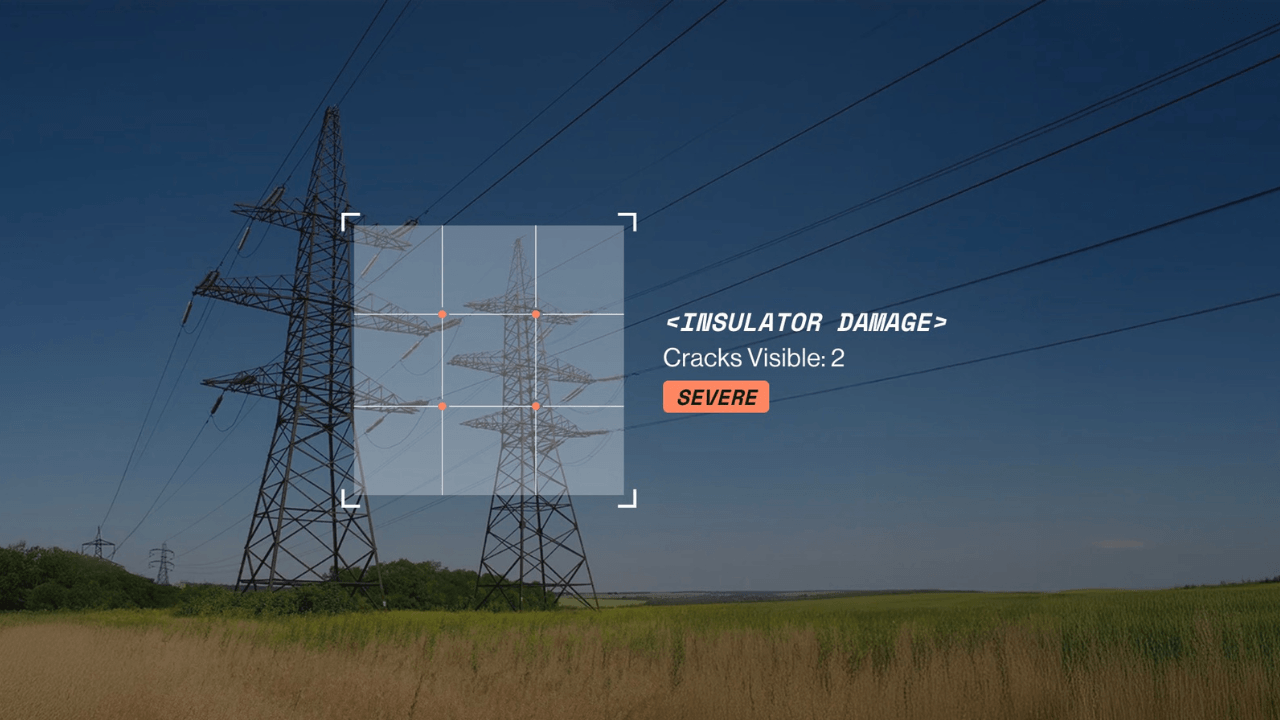
There’s a tech funding story that says more than it seems. British-based StirlingX has just closed a $20 million Series A round led by Ventura Capital and RCM Private Markets Master Fund, following an $11 million Seed just months earlier. This is not just another drone startup: beneath that surface lies an intelligence platform designed to capture, secure, fuse, and analyze data from hostile environments — from critical infrastructure surveillance to hostile drone detection.
The chairman’s name signals the posture: he is the former director of GCHQ, the British intelligence agency. StirlingX operates within a perimeter that touches defense, energy, transport — everything falling under the label of “critical national infrastructure.” And the word CEO Dean Jones keeps hitting is “sovereignty”: a platform that doesn’t lean on third-party services, but gives the client full control over data and automated decisions.
For those tracking on-premise AI developments, this is a clear signal. Digital sovereignty demands are no longer just about choosing a data center within national borders; they require the ability to process sensitive information flows without ever leaving a self-managed perimeter. In military or civil-protection contexts, a large language model or a vision system running in the cloud — even a geolocated one — is unacceptable. Entirely self-hosted stacks are needed, often on dedicated hardware, with air-gapped update channels.
The StirlingX platform, from what emerges, integrates sensor fusion and autonomous analysis components. We don’t know which models or hardware accelerators they use (the company hasn’t disclosed details), but the architecture implies a deployment that can reach all the way to the edge: field sensors, local compute units, zero reliance on external connections. It’s the same logic that pushes many enterprises to evaluate on-premise GPU clusters for LLMs and computer vision when the data is too sensitive to leave their own racks.
The StirlingX deal also highlights a shift in investment appetite. Mo El Husseiny of Ventura Capital referred to a “trusted solution for Five Eyes and beyond,” underscoring how sovereign intelligence is no longer just a need for governments, but also for large corporations in regulated sectors. On the infrastructure side, this translates into growing demand for verifiable execution environments, end-to-end encryption, and orchestration tools that don’t depend on third-party APIs.
For those evaluating on-premise deployment, the trade-offs are clear: full control versus management costs, operational autonomy versus slower update cycles, specialized staff versus ease of use. These are the same dilemmas that surface when examining the TCO of a self-hosted setup for LLMs or computer vision. There is no one-size-fits-all, but the StirlingX round confirms that the market will increasingly reward those who can offer verifiable security guarantees — not just in words, but in a stack that never pierces the perimeter. And the line between defense and enterprise, on this matter, is getting thinner by the day.








💬 Comments (0)
🔒 Log in or register to comment on articles.
No comments yet. Be the first to comment!