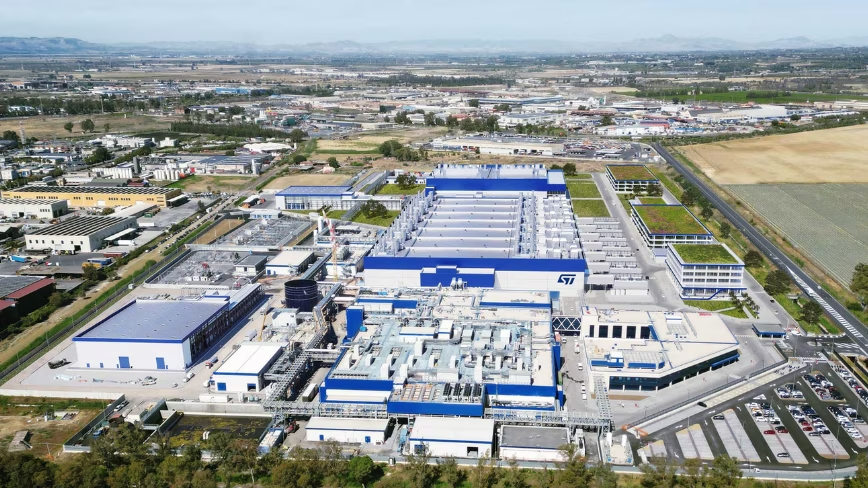
STMicroelectronics e l'espansione nel settore spaziale
STMicroelectronics, il colosso dei semiconduttori con sede a Ginevra, ha annunciato obiettivi finanziari ambiziosi per il suo segmento di business legato all'orbita terrestre bassa. L'azienda prevede di generare oltre 3 miliardi di dollari in ricavi cumulativi tra il 2026 e il 2028, un traguardo che sottolinea la sua crescente influenza nel dinamico mercato spaziale. Questa proiezione evidenzia come i produttori di silicio stiano posizionandosi strategicamente per capitalizzare sulle nuove frontiere tecniciche.
Il successo di STMicroelectronics in questo ambito non è un fenomeno recente, ma il risultato di una lunga storia di innovazione e partnership. L'azienda ha già dimostrato la sua capacità di fornire componenti critici, avendo spedito più di 5 miliardi di chip per antenne RF al progetto Starlink. Questo dato non solo testimonia la scala delle operazioni di STMicroelectronics, ma anche la fiducia riposta nei suoi prodotti da parte di attori chiave nel settore delle comunicazioni satellitari.
L'impatto del boom delle costellazioni satellitari
Il settore spaziale sta vivendo una fase di rapida espansione, trainata principalmente dalla proliferazione delle costellazioni di satelliti in orbita terrestre bassa (LEO). Queste costellazioni sono progettate per fornire connettività globale, monitoraggio ambientale e una vasta gamma di servizi che richiedono infrastrutture resilienti e ad alte prestazioni. La domanda di componenti elettronici specializzati, capaci di operare in ambienti estremi, è in costante aumento.
In questo contesto, la capacità di STMicroelectronics di fornire chip robusti e affidabili è un fattore distintivo. L'azienda vanta una lunga esperienza nel settore, avendo qualificato i suoi primi chip per l'Agenzia Spaziale Europea già nel 1977. Questa eredità storica le conferisce un vantaggio competitivo significativo, permettendole di affrontare le sfide tecniche e normative che caratterizzano il mercato spaziale.
Prospettive future: i data center orbitali
Guardando al futuro, STMicroelectronics sta già esplorando nuove opportunità. La menzione di "data center orbitali" come opzione per il futuro apre scenari interessanti per l'evoluzione dell'infrastruttura computazionale. Sebbene ancora in fase concettuale, l'idea di spostare parte dell'elaborazione dati nello spazio potrebbe avere implicazioni profonde per settori che richiedono bassa latenza, elevata sicurezza o accesso a risorse computazionali in aree remote o air-gapped.
Per le aziende che valutano strategie di deployment on-premise o ibride, l'emergere di soluzioni computazionali non convenzionali come i data center orbitali potrebbe rappresentare un'estensione del concetto di edge computing. Questi scenari richiedono un'attenta analisi del TCO, della sovranità dei dati e delle specifiche hardware, elementi centrali nelle discussioni su /llm-onpremise. La capacità di STMicroelectronics di innovare in questo spazio potrebbe quindi influenzare le future decisioni infrastrutturali.
Il ruolo del silicio specializzato nelle nuove frontiere
L'ambizione di STMicroelectronics di raggiungere ricavi significativi dal settore spaziale evidenzia una tendenza più ampia: la crescente importanza del silicio specializzato per affrontare le esigenze computazionali emergenti. Che si tratti di LLM che richiedono GPU ad alta VRAM per l'Inference on-premise, o di chip RF per comunicazioni satellitari, la scelta dell'hardware è fondamentale per determinare performance, efficienza energetica e affidabilità.
Il percorso dell'azienda, dalla qualificazione dei chip per l'ESA negli anni '70 alla fornitura di massa per Starlink e alla visione dei data center orbitali, dimostra un'evoluzione continua. Questo posiziona STMicroelectronics come un attore chiave non solo nel mercato dei semiconduttori, ma anche nell'abilitazione di infrastrutture tecniciche che spingono i confini della connettività e dell'elaborazione dati, con un impatto potenziale su come le organizzazioni concepiscono i loro deployment futuri.









💬 Commenti (0)
🔒 Accedi o registrati per commentare gli articoli.
Nessun commento ancora. Sii il primo a commentare!