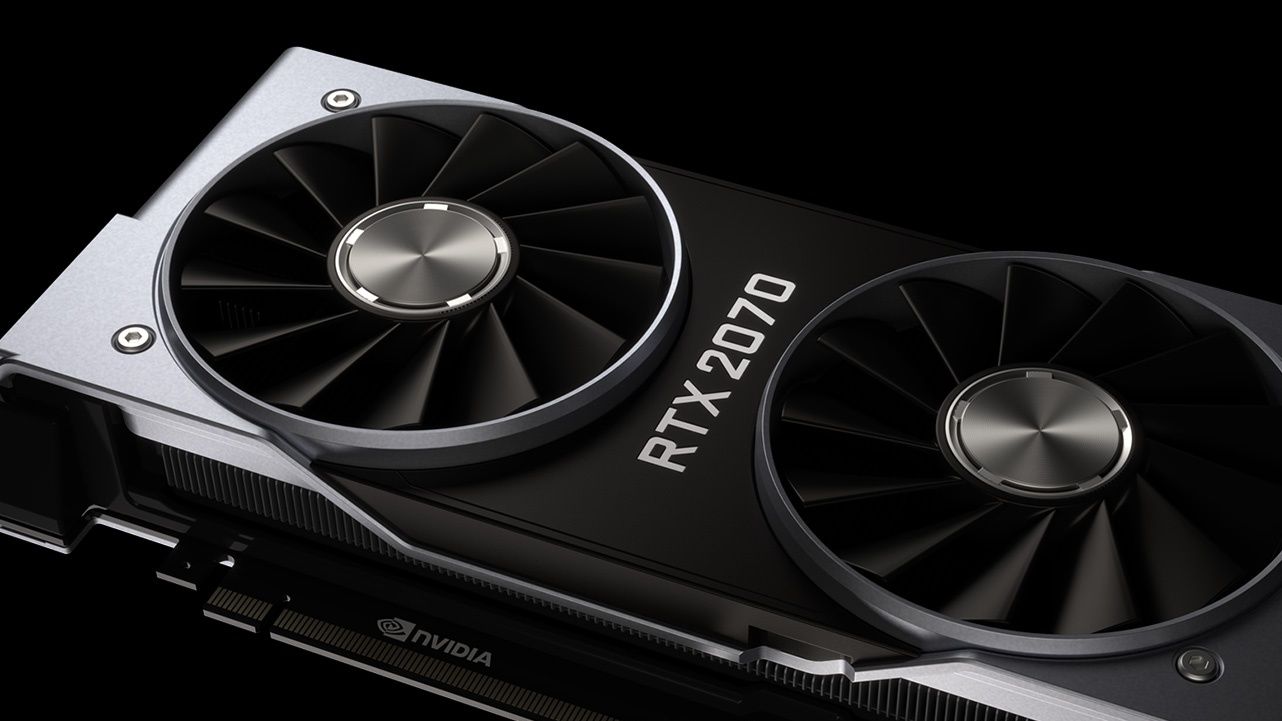
When a software limit is placed on hardware that could physically do more, the open-source response usually follows. A new open-source USB tool promises to remove the Windows restriction that Nvidia applies to cut AI performance of its GPUs to half speed. The news is technical, but it touches a strategic nerve: artificial segmentation between consumer hardware and data center accelerators.
The case is specific, but the mechanism is familiar. Nvidia, like other vendors, differentiates product lines not only through silicon but also through drivers, firmware, and software policies. A driver-imposed limit reduces the inference capability of consumer GPUs, making them less attractive for sustained LLM workloads even when the available VRAM would be enough. The open-source USB tool bypasses this control, giving the user back the nominal performance of the card on Windows.
For teams working with self-hosted LLMs, the issue is not purely technical. Such a restriction distorts TCO calculations: a consumer GPU with ample VRAM can become a low-cost basis for local inference, but if the driver artificially caps it, the real value collapses. Removing the limit changes the equation, especially for labs, research groups, and small organizations that do not want to depend on cloud APIs.
The downside is instability. Every driver update can restore the block, and unofficial tools bring warranty and support risks. Nvidia could respond by closing the channel or by revisiting its segmentation strategy. The story signals growing pressure: as local inference becomes a sovereignty and control requirement, software limits perceived as artificial become a technical and political target.
There is also a second-order effect. If the unlock becomes stable and widespread, workstation vendors and system integrators could start offering on-prem systems based on consumer GPUs with full performance, narrowing the gap with certified enterprise solutions. At the same time, GPU makers might shift differentiation to physical features—memory, interconnects, cooling—rather than software limits, making the market more transparent.
For those evaluating on-prem deployment, the key issue is not just GPU cost but performance predictability over time: the analytical frameworks at /llm-onpremise help map these trade-offs. What is at stake here is who controls the limit: the vendor or the user. For now, the open-source answer tips the balance toward the user.




💬 Comments (0)
🔒 Log in or register to comment on articles.
No comments yet. Be the first to comment!