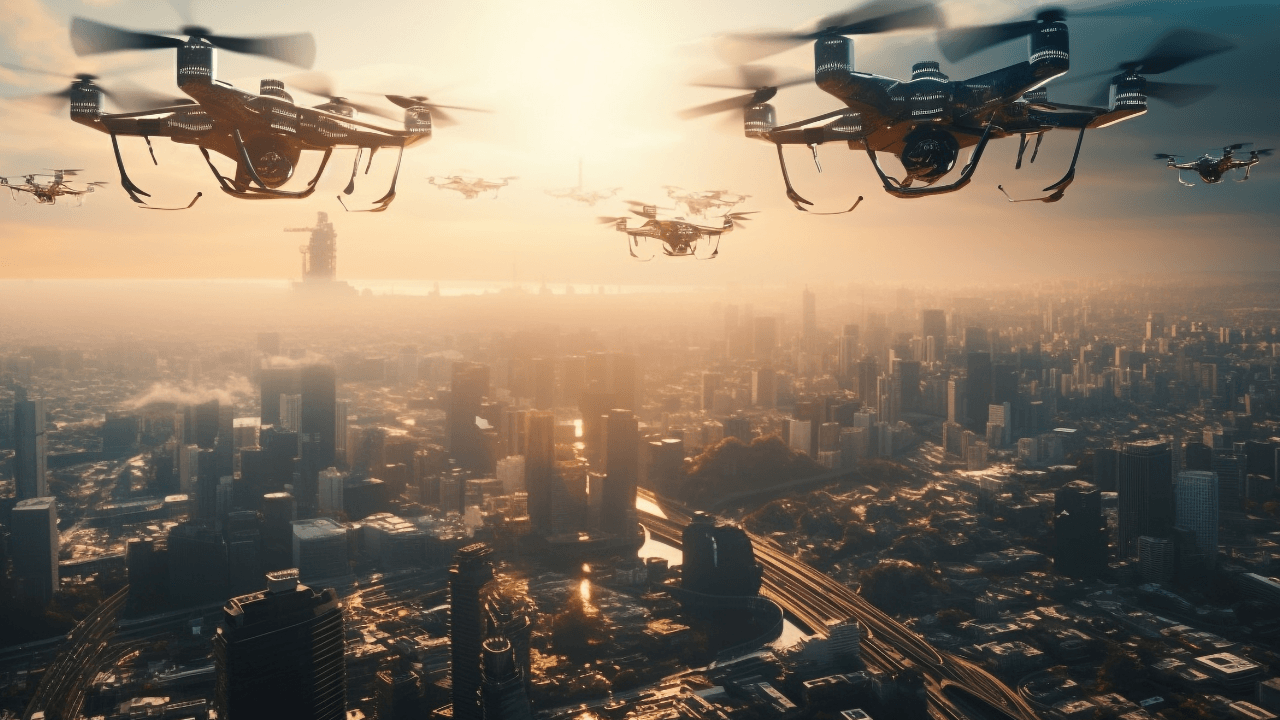
La minaccia quantistica e la sicurezza dei droni
STV Group, azienda ceca specializzata in tecnicia per la difesa, e Post-Quantum, società britannica di cybersecurity, hanno annunciato il successo dei test per i primi droni al mondo dotati di crittografia post-quantistica. Questa innovazione è destinata al deployment attivo in teatri operativi alleati, affrontando una sfida crescente nel panorama della guerra moderna, sempre più definita da sistemi autonomi e droni.
La capacità di garantire comunicazioni sicure e a prova di futuro tra i droni e i loro operatori è di importanza cruciale. Le piattaforme unmanned acquisite oggi potrebbero essere immagazzinate e utilizzate in operazioni future anche a distanza di anni. Questa dinamica richiede che i droni prodotti oggi incorporino una crittografia resistente agli attacchi sia dei computer classici che di quelli quantistici. In contesti come l'Ucraina e il Medio Oriente, le piattaforme unmanned devono operare in condizioni estreme, che includono jamming, negazione del GPS, intercettazione del segnale, missioni oltre la linea di vista con collegamenti di comunicazione degradati, controllo di flotte su larga scala e trasmissione continua di dati ISR (Intelligence, Surveillance, Reconnaissance) sensibili.
Classic McEliece: una soluzione per ambienti ostili
La collaborazione tra STV Group e Post-Quantum ha portato a due primati nel settore. Il primo è un'architettura di droni resiliente ai quanti, progettata specificamente per ambienti operativi contesi. Il secondo è il primo deployment aereo di Classic McEliece, l'algoritmo crittografico a chiave pubblica post-quantistica più studiato, precedentemente considerato impraticabile per comunicazioni DDIL (Denied, Disrupted, Intermittent, Limited).
La nuova piattaforma si basa su Classic McEliece, uno schema crittografico post-quantistico basato su codici, co-inventato da Post-Quantum. L'architettura sviluppata dalle due aziende utilizza questa crittografia in modo mirato e allineato alla missione, cifrando video a pieno movimento, immagini e metadati di volo per tutta la durata della missione. Questo approccio garantisce che i dati ISR sensibili rimangano confidenziali a lungo termine, proteggendoli dagli attacchi di tipo "Harvest Now Decrypt Later", in cui i dati crittografati vengono raccolti oggi per essere decifrati in futuro con l'avvento di computer quantistici più potenti. Rikky Hasan, CEO di Post-Quantum, ha sottolineato come l'algoritmo, nonostante la sua dimensione della chiave, sia stato ottimizzato per offrire "tiny ciphertexts" e una crittografia ultra-veloce, rendendolo ideale per la protezione dei dati ISR dei droni contro attacchi sia classici che quantistici.
Implicazioni per la sovranità dei dati e il TCO
La protezione dei sistemi di droni contro le future minacce quantistiche sta diventando un requisito a breve termine, considerando che queste piattaforme sono destinate a rimanere operative per decenni. Dr. Pavel Kudrhalt, CEO di STV Group, ha evidenziato come le piattaforme unmanned di STV operino quotidianamente in Ucraina, dove le comunicazioni dei droni sono tra le più contese al mondo. In questo contesto, la sicurezza delle comunicazioni non è più un aspetto secondario, poiché il rischio che un avversario intercetti o prenda il controllo di uno sciame di droni è inaccettabile. L'integrazione di Classic McEliece nello stack operativo offre ai clienti la crittografia più robusta e a prova di futuro disponibile, ingegnerizzata per le realtà del campo di battaglia e pronta per il deployment immediato.
Questa iniziativa si allinea perfettamente con le esigenze di chi valuta deployment on-premise o self-hosted per carichi di lavoro critici, dove la sovranità dei dati, il controllo e il TCO (Total Cost of Ownership) sono fattori determinanti. La capacità di STV di rilasciare le proprie soluzioni drone direttamente in ambienti operativi senza ulteriori certificazioni sottolinea l'importanza di un controllo end-to-end sulla tecnicia e sulla sicurezza. Per le organizzazioni che gestiscono infrastrutture sensibili, la possibilità di implementare soluzioni di sicurezza robuste e controllate localmente è fondamentale per garantire la conformità e la resilienza a lungo termine.
Prospettive future per la difesa alleata
Le due aziende inizieranno l'integrazione graduale della piattaforma UAV (Unmanned Aerial Vehicle) resiliente ai quanti nei programmi di difesa europei e alleati. Questo passo segna un'evoluzione significativa nella protezione delle risorse militari e strategiche contro le minacce emergenti. La dimostrazione che algoritmi di crittografia post-quantistica complessi come Classic McEliece possono essere implementati con successo in ambienti operativi limitati e dinamici apre nuove strade per la sicurezza di un'ampia gamma di sistemi critici, non solo nel settore della difesa. La capacità di garantire comunicazioni sicure e resilienti in scenari DDIL è un fattore abilitante per future innovazioni in settori che vanno dalla logistica autonoma alla sorveglianza civile, sempre con un occhio di riguardo alla protezione dei dati e alla resilienza infrastrutturale.








💬 Commenti (0)
🔒 Accedi o registrati per commentare gli articoli.
Nessun commento ancora. Sii il primo a commentare!