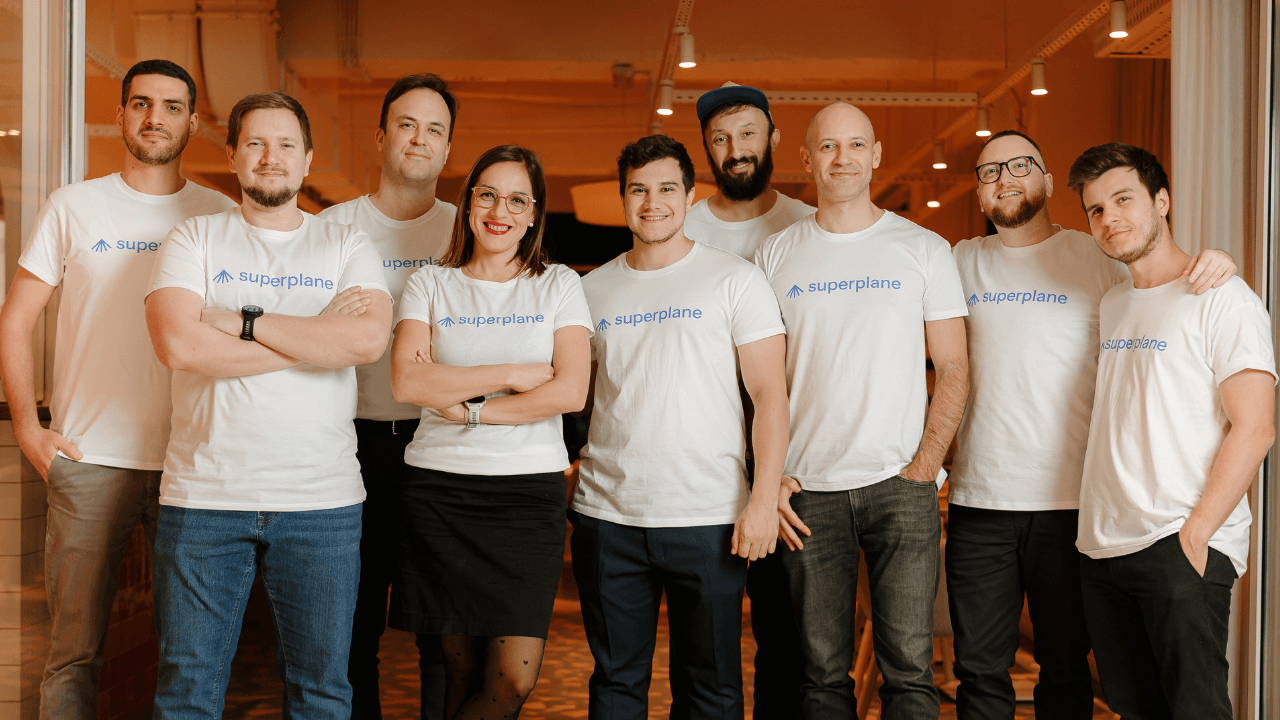
La notizia del finanziamento pre-seed da 2,6 milioni di dollari a SuperPlane segnala un punto di svolta nell’evoluzione dei team di engineering: mentre l’AI accelera la scrittura di codice, il vero collo di bottiglia si sposta su come gestire in sicurezza le operazioni di produzione. Darko Fabijan e Marko Anastasov, già fondatori di Semaphore, hanno raccolto una squadra di veterani per costruire un control plane open source che promette di portare determinismo e automazione intelligente proprio in quell’ultimo miglio.
La fine della gestione manuale delle operation?
Oggi i team di sviluppo rilasciano più codice, su più sistemi, a una velocità senza precedenti. Ma l’infrastruttura che tiene in piedi tutto questo — deployment, modifiche architetturali, risposta agli incidenti, flussi approvativi — resta frammentata e largamente manuale. Script sparsi, conoscenza tribale e coordinamento ad hoc rendono fragile il passaggio in produzione. SuperPlane interviene su questo punto: offre un layer operativo “AI-first” dove gli agenti possono proporre e coordinare operazioni tra gli strumenti già in uso (GitHub, Slack, PagerDuty, Datadog, fino ai modelli OpenAI e Claude), sempre con l’ingegnere umano a mantenere il controllo.
Il concetto di control plane non è nuovo — Kubernetes lo ha reso familiare — ma applicarlo con un’architettura event-driven e una governance basata su policy è la vera novità. SuperPlane non è un orchestratore generico: è pensato per dare all’AI contesto operativo, policy e guardrail, così che le proposte di automazione siano verificabili e reversibili. L’obiettivo dichiarato è trasformare la conoscenza operativa, oggi intrappolata in script e procedure non scritte, in sistemi eseguibili, revisionabili e scalabili a livello organizzativo.
Open source e sovranità dell’infrastruttura
La scelta di rilasciare tutto in open source (il codice è già su GitHub) ha implicazioni rilevanti per chi valuta deployment on-premise o ibridi. Un control plane self-hosted significa che l’azienda mantiene piena sovranità sui dati operativi, senza dipendere da servizi cloud di terze parti per la gestione delle proprie operation. In ambienti regolamentati o air-gapped, poter eseguire SuperPlane dietro il proprio firewall senza cedere metadati sensibili è un vantaggio concreto. AI-RADAR, che segue da vicino le scelte di chi mette la residenza dei dati al primo posto, osserva come questo approccio si inserisca in una tendenza più ampia: portare i benefici dell’AI laddove arrivano le esigenze di conformità, piuttosto che delegare tutto a un SaaS esterno.
Certo, l’adozione di un nuovo control plane comporta un costo di integrazione e una curva di apprendimento, specie in organizzazioni già fortemente customizzate. La promessa di SuperPlane è di ridurre la complessità aggregando oltre 30 integrazioni native e 300 componenti, ma la prova del fuoco sarà la capacità di adattarsi ai flussi reali senza imporre un modello rigido.
Dalla scrittura di codice alla gestione operativa, il team dietro la scommessa
Il round è stato guidato da Credo Ventures, con la partecipazione di First Momentum Ventures e una lista di angel investor che comprende figure di spicco come Mirko Novakovic (Dash0), Tomas Kratky (Manta) e Peter Zaitsev (Percona). Il fatto che molti tra gli investitori provengano dal mondo delle developer tools e delle infrastrutture è un segnale: l’industria riconosce che il prossimo salto di produttività non arriverà da un nuovo IDE o da un assistente di codice, ma da un ripensamento radicale di come l’AI può co-pilotare la gestione di sistemi complessi.
Darko Fabijan e Marko Anastasov avevano già costruito Semaphore, una piattaforma di CI/CD usata da Confluent e Replit. Con SuperPlane vogliono andare oltre la consegna del codice, affrontando il problema operativo che esplode quando l’AI genera codice a una velocità dieci volte superiore a quella umana. Il pre-seed servirà ad accelerare lo sviluppo del prodotto, lavorare a stretto contatto con i primi design partner e far crescere la community open source. La scommessa è chiara: rendere le operations di produzione altrettanto scalabili e governabili quanto il software che le alimenta.





💬 Commenti (0)
🔒 Accedi o registrati per commentare gli articoli.
Nessun commento ancora. Sii il primo a commentare!