The Time-Traveling AI and the Viral Conspiracy
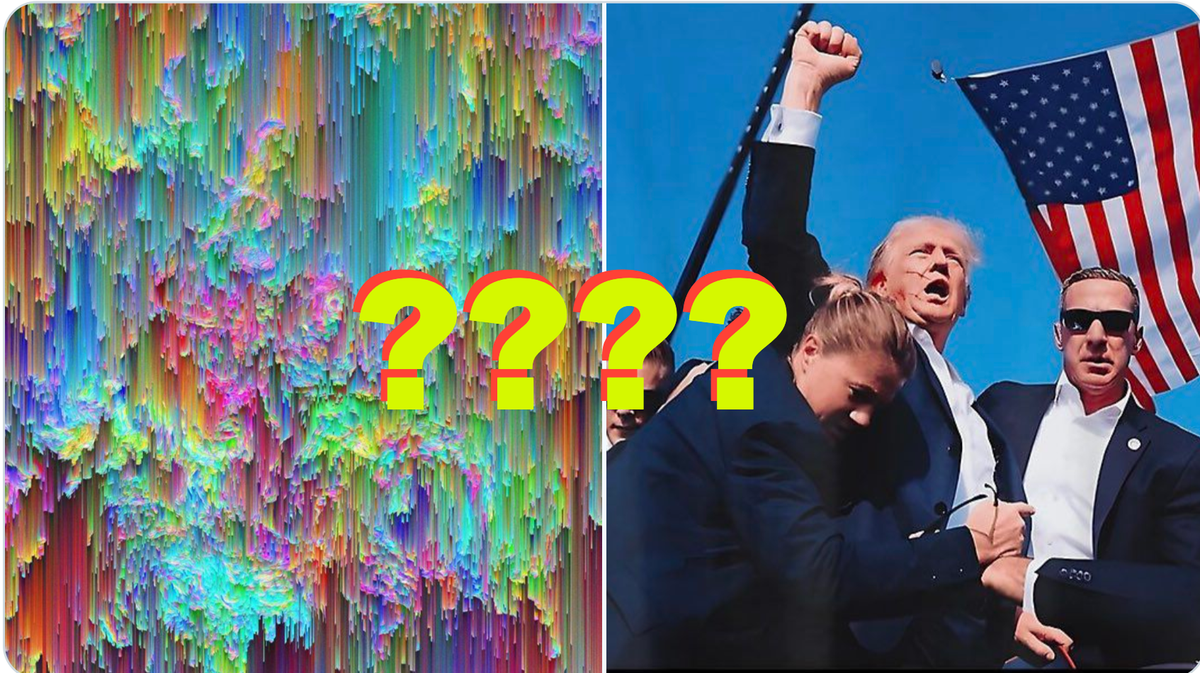
In recent days, a conspiracy theory has garnered millions of views on X (formerly Twitter), claiming that a superintelligent, time-traveling artificial intelligence attempted to warn the public about an attack during the White House Correspondents Dinner. At the heart of this narrative is an abstract, psychedelic 3D image, which, according to proponents of the theory, holds the key to this alleged conspiracy.
The story gained traction just hours after a gunman was taken into custody. X users identified an account named "Henry Martinez," which had posted a single tweet on December 21, 2023, containing the name "Cole Allen," identified as the suspected shooter. The account, featuring a Pepe the Frog avatar holding a wine glass, crucially used the 3D image in question as its header, further fueling the speculations.
Unraveling the Mystery: The Image and the "Time Machine" Organization
The conspiracy theory suggested that the image originated from a website called "Time Machine" and contained a coded message, a kind of "magic eye" that, if deciphered, would reveal one of the iconic images of Donald Trump after an alleged assassination attempt. However, a thorough analysis debunks these claims. The image in question does not come from a time travel website; instead, it is a common stock photo from 2021, titled "Eternal Waterfall" and created by the photographer "Distinct Mind." It was first published on Unsplash, where it has accumulated millions of views and over 27,000 downloads, with a surge in popularity coinciding with the spread of the theory.
The "Time Machine" organization, cited by conspiracy theorists, does indeed exist, but its mission is quite different from what was hypothesized. It is an EU-funded project focused on the digitization and analysis of historical documents. The name "Time Machine" is purely metaphorical, referring to the ability to explore the past through technology, not actual time travel. The organization uses artificial intelligence to create virtual and augmented reality experiences related to European history, such as 3D mapping of cultural buildings and artifacts for digital preservation, a crucial process in case of natural or man-made disasters.
The Dynamics of Online Conspiracies
The case of the time-traveling AI illustrates the speed with which conspiracy theories can spread on online platforms, often leveraging coincidences or misinterpretations. The dissemination of these narratives is facilitated by the open and interconnected nature of the web, where unverified information can go viral in a matter of hours. The alleged predictive capability of the "Henry Martinez" account can be explained by a tactic previously observed: accounts that privately post a large number of automated predictions or names, only to delete all irrelevant tweets and make public only the one that appears to have "predicted" a high-profile event. This practice creates the illusion of foresight but is, in reality, a form of manipulation.
Verifying such profiles and their past activities has become significantly more complex following changes in X's API access policies under Elon Musk's management, making it harder for researchers and journalists to access reliable archives of tweets. This opacity contributes to an environment where misinformation can thrive with fewer obstacles, making fact-checking a challenging and costly endeavor.
Reflections on Misinformation in the AI Era
The advancement of LLMs and artificial intelligence technologies, while offering immense opportunities, also creates fertile ground for misinterpretations and conspiracy theories. Public perception of AI is often influenced by science fiction narratives, which can lead to unfounded beliefs about its capabilities, such as foresight or time travel. This scenario underscores the critical importance of fact-checking and source verification in an increasingly complex digital landscape.
For those in the tech sector, and particularly for decision-makers evaluating the implementation of AI solutions, it is crucial to distinguish between the actual capabilities of the technology and unfounded speculations. Understanding the limits and potential of AI is essential for responsible deployment and to combat misinformation. The "Henry Martinez" case serves as a reminder of the need for a critical and informed approach to news circulating online, especially those attributing powers to artificial intelligence that go beyond science and logic.




💬 Comments (0)
🔒 Log in or register to comment on articles.
No comments yet. Be the first to comment!