Geopolitica e infrastrutture: stop agli investimenti nei data center del Golfo
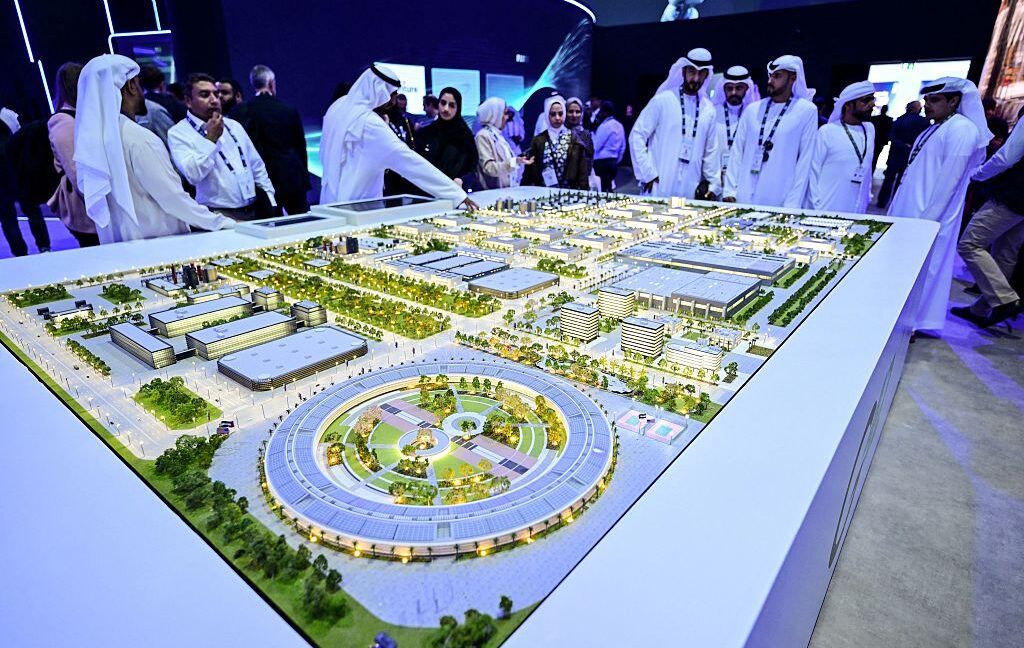
Il panorama degli investimenti in infrastrutture critiche per l'intelligenza artificiale e il cloud computing nel Medio Oriente sta subendo una brusca frenata. Pure Data Centres Group, un'azienda londinese con una significativa presenza globale, ha annunciato la sospensione di tutti i nuovi investimenti nei suoi progetti nella regione. Questa decisione arriva dopo che una delle sue strutture ha subito danni diretti a seguito di un attacco missilistico o di droni di origine iraniana.
L'incidente non è isolato, ma si inserisce in un contesto di crescente instabilità. La guerra in corso sta spingendo gli investitori della Silicio Valley e le principali aziende tecniciche a riconsiderare un ambizioso piano da un trilione di dollari, volto a espandere la capacità di data center per l'AI e il cloud nei Paesi del Golfo. La valutazione del rischio geopolitico è diventata un fattore preponderante nelle strategie di deployment infrastrutturale.
Danni diretti e implicazioni per il settore
Pure Data Centres Group, che gestisce o sta sviluppando oltre un gigawatt di capacità di data center tra Europa, Medio Oriente e Asia, si trova ora ad affrontare le conseguenze dirette del conflitto. Gary Wojtaszek, CEO di Pure DC, ha chiarito la posizione dell'azienda, affermando che “nessuno si precipiterà in un edificio in fiamme, per così dire”. Ha aggiunto che non verranno immessi nuovi capitali significativi fino a quando la situazione non si sarà stabilizzata.
Questo scenario evidenzia una sfida critica per gli operatori di data center: i costi derivanti da danni di guerra non sono assicurabili, lasciando le aziende a farsi carico delle perdite. Il conflitto, iniziato con un attacco USA-israeliano all'Iran il 28 febbraio, ha visto l'Iran rispondere con attacchi alla navigazione nello Stretto di Hormuz e colpendo basi militari statunitensi e infrastrutture energetiche in tutta la regione del Golfo. Tali eventi sottolineano la vulnerabilità delle infrastrutture fisiche in aree di tensione geopolitica.
Riconsiderare il TCO e la sovranità dei dati
La pausa negli investimenti nel Medio Oriente costringe le aziende a una profonda riflessione sul Total Cost of Ownership (TCO) dei deployment di data center, specialmente per carichi di lavoro AI e LLM. Oltre ai costi operativi e di capitale, il rischio geopolitico aggiunge una componente imprevedibile e potenzialmente devastante al TCO complessivo. Per le organizzazioni che valutano soluzioni self-hosted o on-premise, la stabilità della regione in cui viene collocata l'infrastruttura diventa un fattore cruciale, al pari delle specifiche hardware come la VRAM delle GPU o il throughput.
La sovranità dei dati e la compliance normativa sono altrettanto importanti. In un ambiente air-gapped o in un deployment on-premise, il controllo fisico sull'hardware e sui dati è massimo. Tuttavia, se l'infrastruttura è esposta a rischi esterni come attacchi militari, anche il controllo più rigoroso può essere compromesso. Questo scenario spinge le aziende a bilanciare i benefici del controllo diretto con la necessità di mitigare rischi esterni, portando a una potenziale preferenza per regioni con maggiore stabilità politica, anche a fronte di costi iniziali più elevati.
Prospettive future per l'infrastruttura AI
L'attuale situazione nel Medio Oriente funge da monito per l'intero settore tecnicico. Mentre la domanda di capacità di calcolo per l'AI continua a crescere esponenzialmente, la scelta della località per i nuovi data center non può prescindere da un'analisi approfondita dei rischi geopolitici. La decisione di Pure Data Centres Group e la riconsiderazione degli investimenti da parte di giganti della tecnicia indicano un cambiamento nelle priorità, dove la resilienza e la sicurezza dell'infrastruttura assumono un'importanza pari, se non superiore, alla mera efficienza economica.
Per le aziende che si trovano a dover bilanciare l'innovazione con la gestione del rischio, la valutazione di deployment on-premise o ibridi richiede un'analisi olistica che includa non solo le specifiche tecniche e il TCO, ma anche un'attenta mappatura dei rischi esterni. Il futuro dell'infrastruttura AI potrebbe vedere una maggiore diversificazione geografica e un'enfasi su regioni percepite come più stabili, anche se ciò dovesse comportare compromessi in termini di latenza o accesso a determinate risorse.







💬 Commenti (0)
🔒 Accedi o registrati per commentare gli articoli.
Nessun commento ancora. Sii il primo a commentare!