AI at the Service of Brand Protection: The SXSW Case
South by Southwest (SXSW), the renowned annual tech, music, and film conference held in Austin, Texas, has found itself at the center of a controversy related to the use of artificial intelligence tools for social media content moderation. According to reports, the organization employed BrandShield, a "digital risk protection" service that utilizes an AI-powered tool, with the aim of identifying and removing posts allegedly infringing its trademarks on platforms like Instagram.
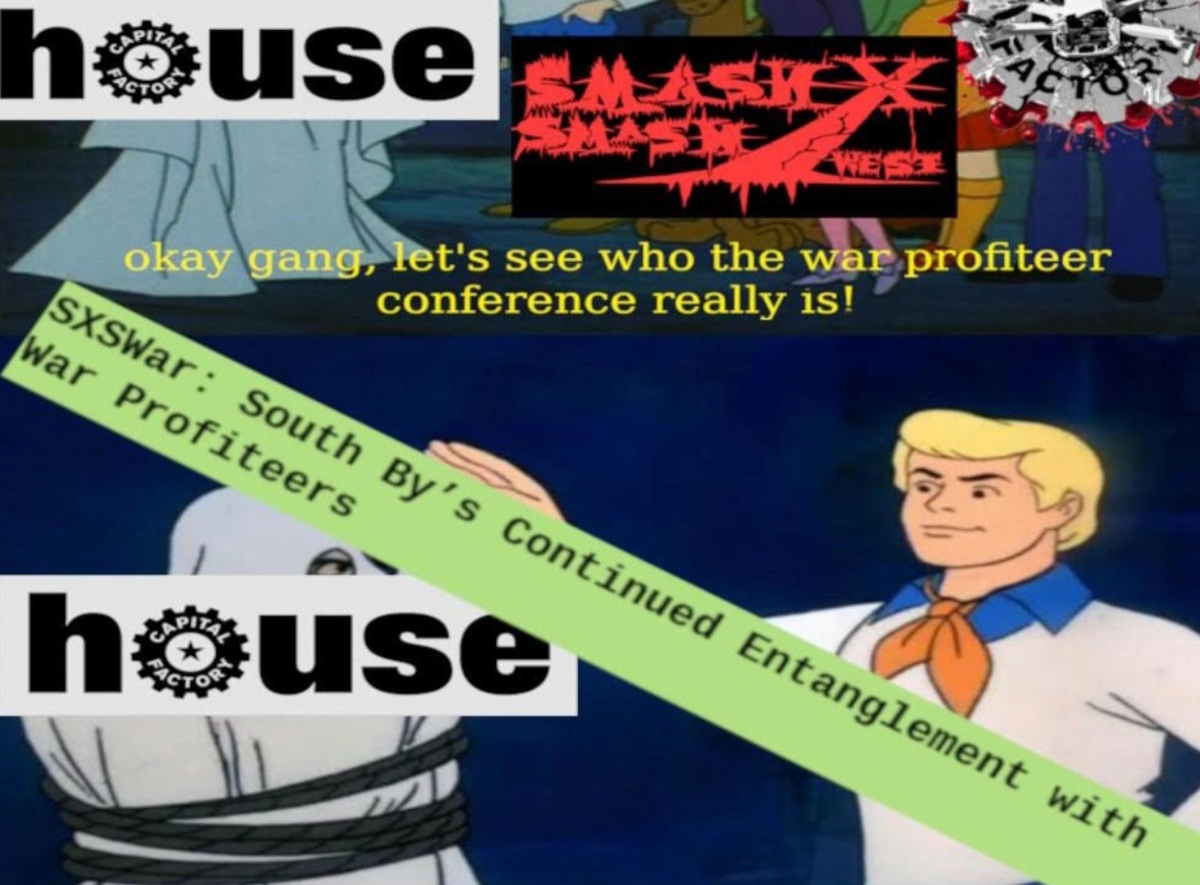
The situation took a critical turn when it was revealed that the system targeted not only clear infringements but also dissenting and critical voices against the festival. Groups such as Vocal Texas, a non-profit dedicated to addressing homelessness and poverty, and the Smash By Smash West coalition, which organizes alternative and protest events, saw their posts automatically removed. This raises fundamental questions about the accuracy and impartiality of moderation algorithms, especially when applied to contexts requiring a nuanced understanding of language and law.
Between Image Recognition and "Robots Talking to Robots"
BrandShield positions itself as an advanced solution, leveraging "proprietary image recognition technology" to scan marketplaces, social media, and other digital environments for threats. The company also claims to employ a "dedicated enforcement team of IP lawyers" to ensure that takedowns are "timely, targeted, and fully compliant." However, the experience of the affected groups suggests a "broad brush" application of the tool, seemingly incapable of distinguishing between unlawful trademark use and legitimate criticism.
For instance, a Vocal Texas post was removed for merely mentioning "SXSW" in the text, without using protected logos or images. Cara Gagliano, a senior staff attorney at the Electronic Frontier Foundation (EFF), clarified that using a company's name to discuss or criticize it falls under free speech and does not constitute trademark infringement. Gagliano also expressed skepticism about the actual role of artificial intelligence in these systems, suggesting that the term is often a "buzzword" and that automated tools, already in use previously, are not reliable in accurately determining infringement. A representative from Smash By Smash West described the process as "robots talking to robots," highlighting the perception of moderation lacking human oversight and context.
Implications for Data Sovereignty and AI Decision Control
This incident highlights the inherent challenges in relying on automated moderation systems, especially when managed by third parties. For organizations evaluating the deployment of AI solutions, understanding these trade-offs is crucial. Dependence on external services can lead to a loss of control over critical decisions and less transparency regarding the functioning mechanisms of algorithms. In the context of AI-RADAR, which emphasizes data sovereignty and control over on-premise deployments, the SXSW incident serves as a cautionary tale about the risks associated with outsourcing such sensitive functions.
A crucial aspect highlighted by the EFF is the difference between copyright law (which, thanks to the Digital Millennium Copyright Act, provides a "counter-notice" process to dispute removals) and trademark law, which does not offer a mandatory and equally clear path for content restoration. This legal asymmetry makes it extremely difficult for users to challenge takedowns based on alleged trademark infringements, leaving removed content in limbo and depriving users of the possibility of effective recourse. SXSW, while acknowledging that "errors can occur," stated that it is legally required to "take reasonable steps" to enforce its trademarks, relying on BrandShield to identify issues at scale.
Future Perspectives: Balancing Automation and Responsibility
The SXSW case illustrates a growing tension between companies' need to protect their intellectual assets and the right to freedom of expression and criticism. Automation, while offering efficiency and scalability, also introduces the risk of "over-enforcement" and unintended or targeted censorship, especially when algorithms fail to grasp the nuances of human and legal context. The difficulty of recourse for affected users further exacerbates the situation, creating an environment where automated decisions can have a significant impact without an adequate balancing mechanism.
Moving forward, it will be imperative to develop AI-based moderation systems that are not only efficient but also transparent, accountable, and equipped with robust human review and appeal mechanisms. This is particularly relevant for companies considering the adoption of LLMs and other AI tools for content management, whether in self-hosted or cloud environments. The lesson from SXSW is clear: technology, however advanced, must always be accompanied by careful governance and ethical principles that safeguard users' fundamental rights, preventing the pursuit of efficiency from leading to a limitation of free expression.








💬 Comments (0)
🔒 Log in or register to comment on articles.
No comments yet. Be the first to comment!