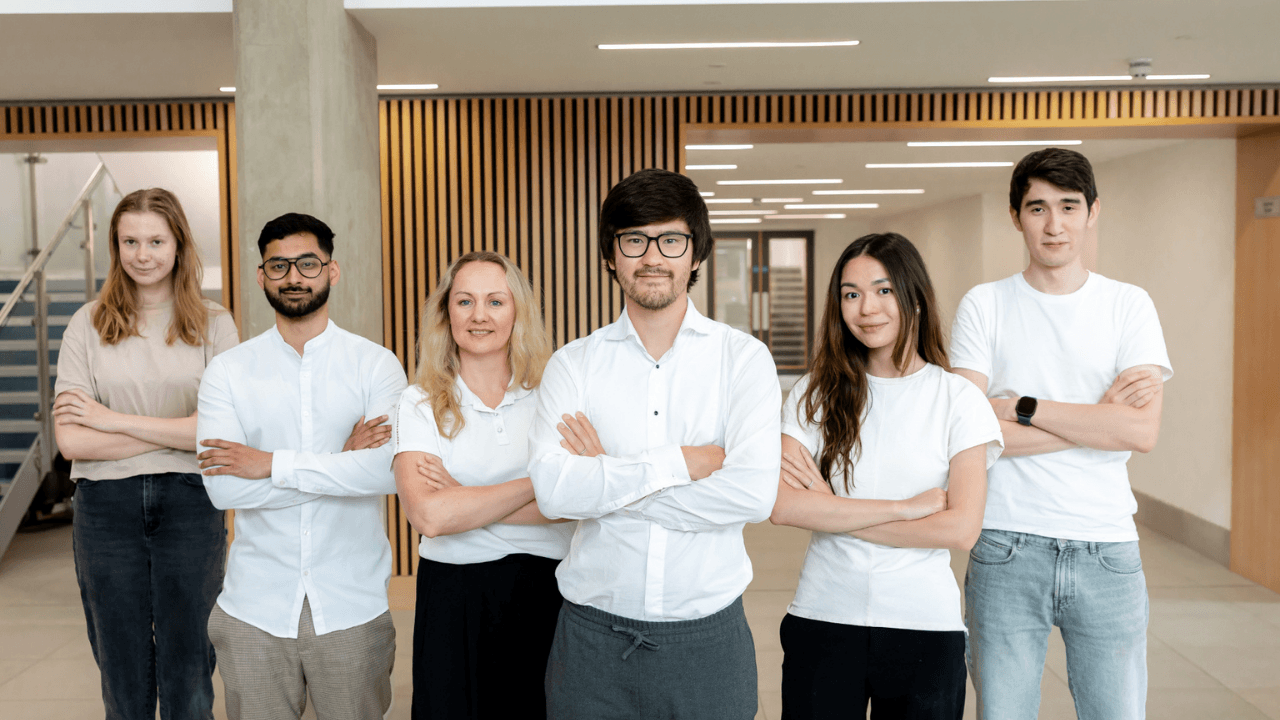
Un ex campione di scacchi kazako ha appena mosso la regina giusta nel mondo dell’accumulo energetico. Sanzhar Taizhan, fondatore e CEO di TaiSan, ha chiuso un round seed da 4,65 milioni di sterline per la sua azienda con base presso il laboratorio di batterie di Cambridge. Il finanziamento servirà a portare avanti la tecnicia proprietaria di batterie agli ioni di sodio e ad avviare i primi test pilota con i produttori.
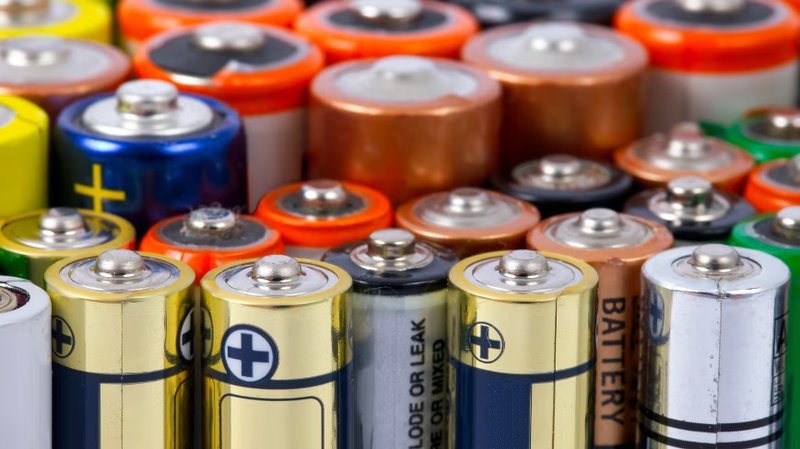
TaiSan si concentra su una chimica che sta attirando crescente attenzione come alternativa al litio: il sodio. L’abbondanza della materia prima, i costi potenzialmente inferiori e una catena di fornitura meno problematica rispetto a quella del litio rendono le batterie al sodio un candidato credibile per elettrificare bici, scooter, veicoli leggeri e utensili a batteria, segmenti in cui l’autonomia non è l’unico parametro critico. La startup sostiene che la sua tecnicia offra efficienze superiori rispetto alle attuali soluzioni al sodio e persino rispetto a molte controparti agli ioni di litio.
Il round è stato co-guidato da Eos Advisory e dal Midlands Engine Investment Fund II, gestito da Mercia Ventures. Hanno partecipato anche AFI Ventures, EverQuest Capital Partners, Adeline Arts & Science, Techmind e gli investitori esistenti InnoEnergy, TSP Ventures, Exergon e Heartfelt. Una parte del capitale, 700 mila sterline, arriva da un finanziamento a fondo perduto di Innovate UK attraverso il programma Investor Partnerships. TaiSan aveva già raccolto 1,7 milioni di euro in pre-seed.
“Stiamo spingendo i limiti dell’elettrochimica per creare uno stoccaggio energetico più sostenibile”, ha dichiarato Taizhan. “Abbiamo tenuto nascoste le nostre scoperte più eccitanti, ma questo finanziamento ci permetterà di migliorare le prestazioni delle batterie agli ioni di sodio e portare i benefici a un pubblico mainstream”.
Per chi segue le evoluzioni dell’accumulo, il sodio rappresenta un’alternativa interessante non solo per la mobilità leggera ma anche per applicazioni stazionarie in contesti in cui la densità energetica non è il fattore dominante. Rispetto alle batterie al litio-ferro-fosfato (LFP), le celle al sodio possono offrire un profilo di sicurezza termica migliore e tollerano temperature estreme più facilmente, anche se oggi pagano dazio in termini di cicli di vita e peso. L’approccio di TaiSan, ancora in gran parte in fase di sviluppo, promette di ridurre proprio questi compromessi.
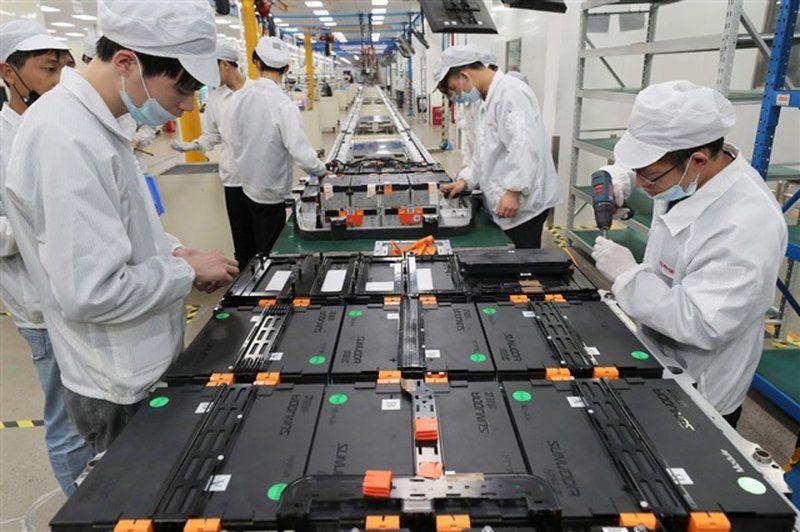
Con l’ingresso in fase di test pilota, l’azienda si unisce a una pattuglia di realtà europee e asiatiche che stanno provando a industrializzare il sodio. La sfida non è solo chimica: serve scalare la produzione, convincere i grandi assemblatori e dimostrare costi competitivi in un mercato che ha già fatto enormi investimenti sul litio. Avere Cambridge e l’ecosistema di investitori deep tech alle spalle può aiutare, ma il percorso dal laboratorio alla strada è ancora tutto da percorrere.





💬 Commenti (0)
🔒 Accedi o registrati per commentare gli articoli.
Nessun commento ancora. Sii il primo a commentare!