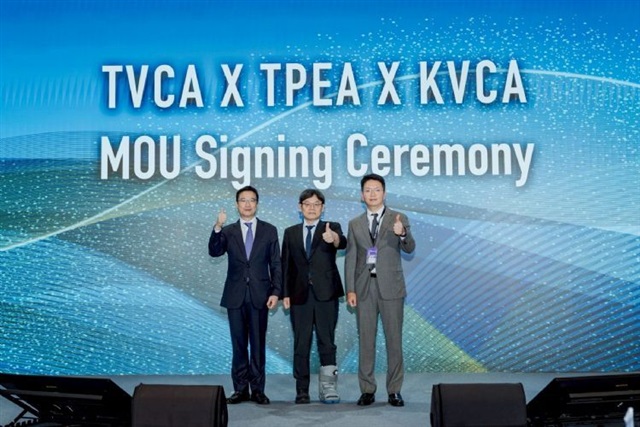
Il breve annuncio, accreditato alla Taiwan Venture Capital Association (TVCA), potrebbe passare quasi inosservato. Eppure, l’intenzione dichiarata da Taiwan e Corea del Sud di approfondire i legami di investimento nell’ecosistema startup tocca nervi scoperti per chiunque costruisca infrastrutture di calcolo lontano dal cloud.
I due Paesi controllano snodi industriali senza i quali la moderna intelligenza artificiale non esisterebbe: TSMC domina la produzione di logica avanzata, Samsung e SK Hynix quella di memorie ad alta larghezza di banda (HBM). Un coordinamento più stretto sui finanziamenti alle nuove imprese non è un fatto diplomatico, ma un segnale di strategia industriale.
Il cortocircuito hardware che frena l’AI on-premise
Chi oggi valuta l’acquisto di infrastruttura per eseguire LLM in sede – senza cedere dati a hyperscaler – sbatte contro tre colli di bottiglia: disponibilità delle GPU, costo della VRAM e consumi energetici. Non è un caso che tutti e tre dipendano in larga parte proprio dall’asse Taiwan-Corea. Le GPU NVIDIA, costruite da TSMC, usano chip HBM di SK Hynix; le alternative AMD e Intel seguono percorsi simili. Persino gli acceleratori custom di Google o Amazon attingono, direttamente o indirettamente, a questa filiera.
Se gli investimenti congiunti dovessero favorire la nascita di startup capaci di progettare chip specializzati per l’inference dei LLM – o soluzioni di packaging che riducono il costo delle memorie – l’impatto sarebbe immediato sulla TCO di un deployment self-hosted. Meno attrito nella catena di approvvigionamento significa meno margine per i distributori e, nel medio periodo, un’offerta più diversificata di hardware per AI.
Sovranità del dato ed equilibri geopolitici
C’è un secondo effetto, meno visibile ma altrettanto strutturale. L’Europa, con il GDPR, spinge le aziende a mantenere il controllo fisico dei dati, ma non produce chip avanzati. Finora la dipendenza dalla supply chain asiatica (e, a monte, dalle decisioni di export statunitensi) ha reso ogni progetto di AI sovrana fragile per definizione. Un fronte Taiwan-Corea più coeso potrebbe non eliminare la dipendenza, ma ne cambierebbe gli equilibri interni, creando canali di approvvigionamento più prevedibili e potenzialmente meno soggetti a oscillazioni unilaterali.
Vale anche il discorso opposto: startup taiwanesi e coreane che fanno sistema rendono più difficile per la Cina inserirsi in modo competitivo nella progettazione di chip AI, almeno per i nodi avanzati. È una partita in cui la posta in gioco non sono solo le quote di mercato, ma la capacità di dettare standard e architetture.
Chi guadagna e chi perde
Nell’immediato, i grandi vendor di cloud hanno bilanci abbastanza solidi da assorbire qualsiasi turbolenza. Per i provider europei di servizi di hosting e per le aziende manifatturiere che stanno sperimentando edge computing con LLM locali, invece, un allargamento della base di fornitori asiatici di acceleratori potrebbe essere la differenza tra un progetto pilota e un’adozione diffusa.
A perdere, paradossalmente, sono i soggetti che hanno scommesso tutto su hardware esclusivamente americano o su un’unica architettura proprietaria. L’arrivo di nuove soluzioni, magari ottimizzate per modelli quantizzati a 4 o 8 bit, ridurrebbe il costo di uscita e aumenterebbe la pressione competitiva.
L’accordo tra Taiwan e Corea non promette nulla di immediato. Ma mette ordine in un panorama che, per chi valuta deployment on-premise, è sempre stato un fattore di rischio più che di opportunità.






💬 Commenti (0)
🔒 Accedi o registrati per commentare gli articoli.
Nessun commento ancora. Sii il primo a commentare!