Taiwan Redefines Its Role in Automotive
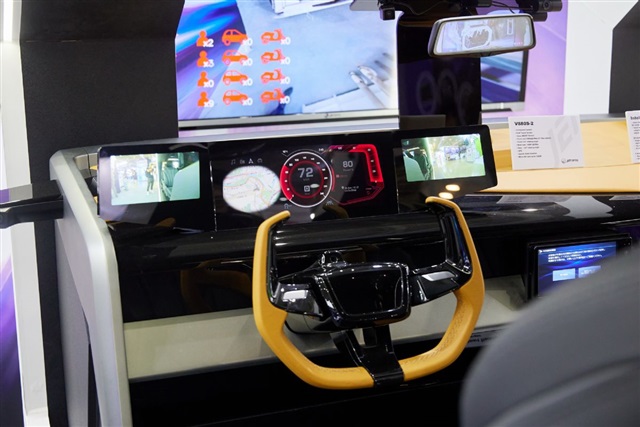
Taiwan's technology industry, historically a pillar in the production of electronic components and semiconductors, is taking a significant step forward. The focus is shifting from supplying individual elements to designing and integrating entire autonomous systems for the automotive sector. This strategic transition reflects a clear ambition to move up the value chain, positioning itself as a key player in the development of complete solutions for future mobility.
This change is not merely a production evolution but a true strategic reorganization aimed at capitalizing on established expertise in advanced electronics. The goal is to provide comprehensive platforms and architectures that can enable autonomous driving functionalities, advanced infotainment, and vehicular connectivity – rapidly expanding and high-value-added sectors.
AI at the Wheel: Deployment Challenges and Data Sovereignty
The development of autonomous systems for vehicles poses unique challenges, particularly regarding the deployment of artificial intelligence. The need to process enormous volumes of data in real-time, with extremely low latencies, drives the adoption of edge computing and on-premise deployment solutions directly within the vehicle. This approach is fundamental to ensuring safety and reliability, as critical decisions must be made instantaneously, without relying on cloud connectivity.
Furthermore, data sovereignty and regulatory compliance are crucial aspects. Data generated by vehicles, often sensitive and personal, requires careful management to ensure its protection and localization. Deploying LLMs and other AI models directly on the vehicle or within local infrastructures offers greater control over these aspects, reducing risks associated with data transfer and storage in external cloud environments. For those evaluating on-premise deployment in similar contexts, AI-RADAR offers analytical frameworks on /llm-onpremise to assess trade-offs between costs, performance, and security.
Hardware and Architectures for Autonomy
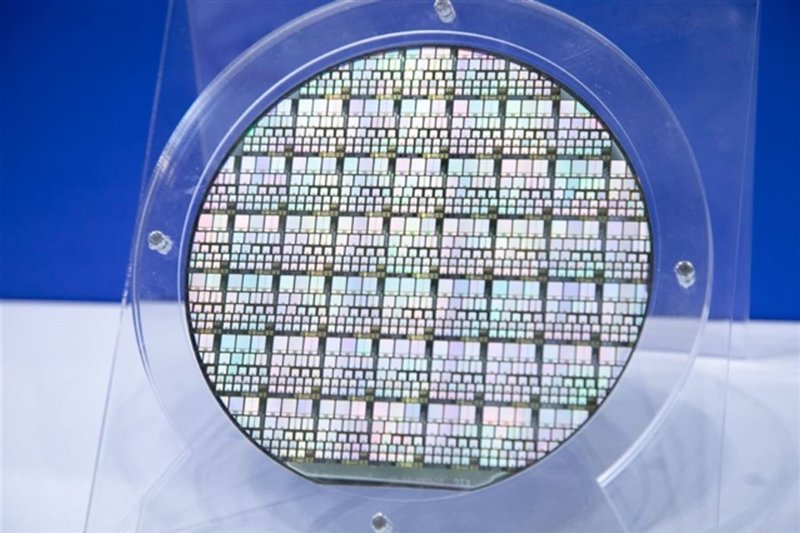
The transition to autonomous systems demands robust and specialized hardware infrastructure. Taiwanese companies, with their deep expertise in silicon, are well-positioned to develop AI processors and accelerators optimized for the edge. These chips must balance high computing power, energy efficiency, and compact size. Managing VRAM, data throughput, and the ability to execute complex models like LLMs with advanced quantization techniques are critical aspects.
System architectures must support complex data pipelines, from acquisition via sensors (cameras, radar, lidar) to processing and decision-making. This implies the integration of neural processing units (NPUs) and GPUs with dedicated memory, capable of handling intensive workloads for perception, path planning, and vehicle control. The choice between different hardware configurations, such as using FPGAs or specific ASICs, depends on the system's performance, TCO, and flexibility requirements.
Outlook and Implications for the Tech Ecosystem
This strategic move by Taiwan has significant implications for the entire global technology ecosystem. It not only strengthens the island's position as an innovative hub but also stimulates research and development in key sectors such as AI, embedded electronics, and robotics. The ability to provide complete solutions, rather than just components, opens new opportunities for collaboration and partnerships with major automotive manufacturers worldwide.
The focus on autonomous systems also drives innovation in areas like automotive cybersecurity and the development of specific software and frameworks for automotive AI. This evolution underscores a broader trend in the technology sector, where the convergence of hardware, software, and artificial intelligence is redefining the boundaries of traditional industries, with an increasing emphasis on controlling and optimizing local deployments.






💬 Comments (0)
🔒 Log in or register to comment on articles.
No comments yet. Be the first to comment!