
A New Strategic Horizon for Taiwan
Taiwan has recently updated its list of strategic industries, now including high-tech sectors such as artificial intelligence (AI), quantum computing, and silicio photonics (SiPh). This move, reported by DIGITIMES, reflects a clear vision from the Taiwanese government towards building a resilient and cutting-edge technological ecosystem. The expansion aims to consolidate the island's position as a global innovation hub, moving beyond its already established leadership in semiconductor manufacturing.
The decision to elevate these sectors to strategic priorities is not accidental. AI, particularly Large Language Models (LLM), is redefining entire industrial sectors, from manufacturing to financial services. Quantum computing, though still in its nascent stages, promises to revolutionize fields such as cryptography and new material discovery. Silicio photonics, finally, is fundamental for high-speed communication infrastructures, indispensable for supporting the most demanding computational workloads.
Technological Implications: From Silicio to AI Infrastructure
The inclusion of silicio photonics is particularly significant for the future of digital infrastructures. This technology allows for the integration of optical and electronic components onto a single silicio chip, enabling data communications at higher speeds and energy efficiency compared to traditional electrical interconnects. For on-premise LLM deployments, where latency and throughput are critical factors, silicio photonics can drastically improve the performance of GPU clusters, reducing data transfer bottlenecks between nodes and within servers.
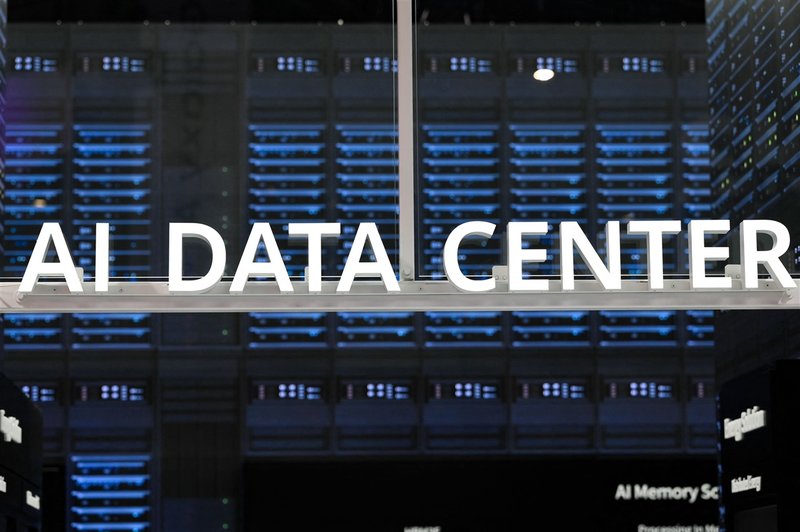
AI, and particularly large-scale LLM Inference, requires immense computational resources, often concentrated in self-hosted or hybrid data centers. The availability of advanced technologies like silicio photonics can directly influence the TCO and operational efficiency of these infrastructures. A national ecosystem that supports the development and production of these strategic components can offer a competitive advantage to companies seeking to maintain control over their data and AI operations, avoiding exclusive reliance on cloud solutions.
Data Sovereignty and Competitive Advantage
The push towards AI and quantum computing as strategic sectors is part of a global context where data sovereignty and cybersecurity have become absolute priorities. For many organizations, especially in regulated sectors like finance or healthcare, the ability to manage AI workloads in air-gapped or self-hosted environments is crucial to ensure compliance and protect sensitive information. Investment in these technologies at a national level can strengthen Taiwan's ability to offer solutions that meet these needs.
Furthermore, a strategic focus on these sectors can stimulate local innovation, the training of specialized talent, and the creation of a research and development pipeline. This not only contributes to economic growth but also positions Taiwan as a key partner for global companies looking to diversify their supply chains and access cutting-edge expertise in areas critical to the future of artificial intelligence and high-performance computing.
Future Prospects for the Tech Ecosystem
Taiwan's expansion of its list of strategic industries sends a clear signal to the global market: the island intends to consolidate and expand its influence far beyond chip manufacturing. For CTOs, DevOps leads, and infrastructure architects evaluating deployment options for their AI/LLM workloads, this move could indicate a future increased availability of specialized components and expertise, further favoring self-hosting strategies and direct control over infrastructure.
As the technological landscape continues to evolve rapidly, the strategic focus on AI, quantum, and silicio photonics positions Taiwan to play an even more central role in the next generation of innovation. For those evaluating on-premise deployments, significant trade-offs exist between initial costs, long-term TCO, data sovereignty, and operational flexibility, and the evolution of national ecosystems like Taiwan's will be a factor to monitor closely.





💬 Comments (0)
🔒 Log in or register to comment on articles.
No comments yet. Be the first to comment!