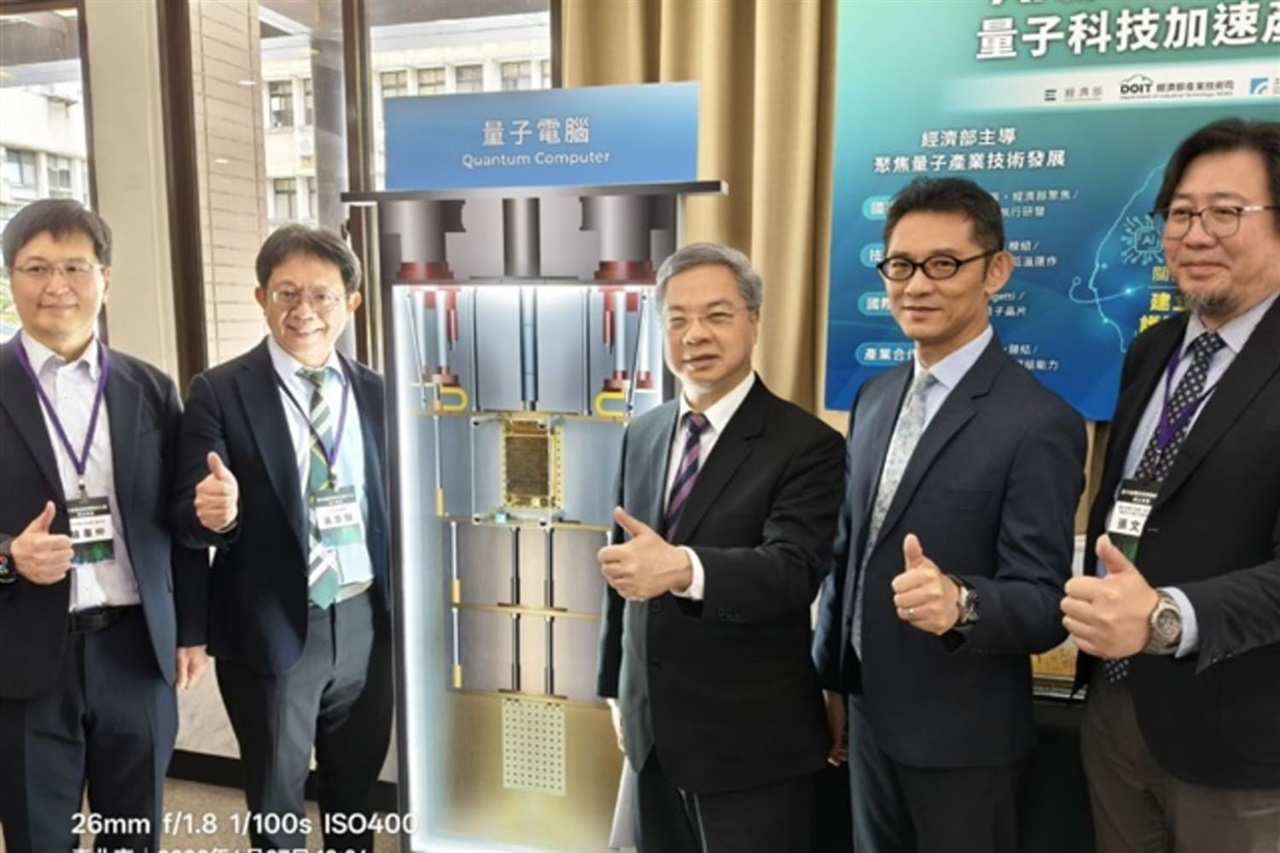
Taiwan e la corsa agli standard del quantum computing
Taiwan ha recentemente sollecitato un coinvolgimento precoce nell'industria del quantum computing, sottolineando l'importanza di partecipare attivamente alla definizione degli standard globali. Questa mossa riflette una consapevolezza strategica del ruolo cruciale che le tecnicie emergenti, come il quantum computing, avranno nel plasmare il futuro dell'innovazione e della competitività tecnicica a livello mondiale. L'obiettivo è assicurarsi una posizione influente prima che le architetture e i protocolli fondamentali siano consolidati.
L'appello di Taiwan evidenzia una visione a lungo termine, riconoscendo che la partecipazione attiva nella fase iniziale di sviluppo di un settore può garantire vantaggi significativi. Non si tratta solo di leadership tecnicica, ma anche di influenzare le direzioni future della ricerca e dello sviluppo, nonché di posizionare le proprie industrie per capitalizzare sulle opportunità che emergeranno una volta che la tecnicia sarà matura per un deployment più ampio.
Il panorama emergente del quantum computing
Il quantum computing rappresenta una frontiera della computazione con il potenziale di risolvere problemi complessi che sono attualmente intrattabili per i supercomputer classici. Sebbene sia ancora in una fase di ricerca e sviluppo intensivo, con prototipi e sistemi di piccole dimensioni, il suo impatto potenziale su settori come la crittografia, la scoperta di farmaci, la scienza dei materiali e l'ottimizzazione è immenso. La tecnicia si basa su principi della meccanica quantistica per elaborare informazioni in modi fondamentalmente diversi rispetto ai computer tradizionali.
La corsa allo sviluppo di hardware e software per il quantum computing è globale, con nazioni e aziende che investono massicciamente. Tuttavia, l'assenza di standard universalmente accettati per l'hardware, i linguaggi di programmazione e i protocolli di comunicazione rappresenta una sfida e, al contempo, un'opportunità. Chi partecipa alla loro definizione può influenzare l'interoperabilità e l'adozione futura, creando un ecosistema che favorisca le proprie innovazioni e soluzioni.
Implicazioni per il deployment e la sovranità tecnicica
La spinta di Taiwan per un coinvolgimento precoce nella definizione degli standard del quantum computing ha implicazioni dirette per le future strategie di deployment e per la sovranità tecnicica. La capacità di influenzare gli standard significa poter orientare lo sviluppo verso architetture che potrebbero essere più compatibili con le proprie capacità produttive o con le proprie esigenze di sicurezza e controllo dei dati. Per le organizzazioni che valutano il deployment di carichi di lavoro computazionali avanzati, inclusi i Large Language Models, la maturazione del quantum computing introdurrà nuove variabili.
Sebbene il quantum computing non sia ancora pronto per un deployment su larga scala come gli LLM attuali, la sua evoluzione futura potrebbe offrire capacità di elaborazione senza precedenti per compiti specifici. Le decisioni odierne sulla partecipazione agli standard influenzeranno la facilità con cui le future soluzioni quantum potranno essere integrate in infrastrutture esistenti, sia on-premise che cloud. Questioni come la sovranità dei dati e la necessità di ambienti air-gapped, già cruciali per gli LLM, diventeranno ancora più complesse e rilevanti in un contesto quantum, rendendo la partecipazione alla definizione degli standard un fattore strategico per il controllo e la sicurezza a lungo termine.
Prospettive future e la sfida degli standard
La definizione di standard in un campo così nascente come il quantum computing è una sfida complessa, ma fondamentale per la sua adozione su larga scala. Senza standard comuni, l'interoperabilità tra diversi sistemi e Framework sarà limitata, rallentando l'innovazione e aumentando i costi di sviluppo e deployment. L'approccio di Taiwan sottolinea la necessità di agire proattivamente per evitare che gli standard vengano imposti da pochi attori dominanti, garantendo una maggiore apertura e competitività nel settore.
Questo scenario ricorda l'importanza di una pianificazione strategica per le infrastrutture future. Per CTO, DevOps lead e architetti di infrastruttura, monitorare l'evoluzione di queste tecnicie e la definizione dei loro standard è essenziale per prepararsi ai prossimi cicli di innovazione. La capacità di anticipare e influenzare il panorama tecnicico emergente è un fattore chiave per mantenere un vantaggio competitivo e garantire che le future soluzioni di calcolo, inclusi i sistemi basati su LLM, possano beneficiare delle più avanzate capacità computazionali in modo sicuro e controllato.








💬 Commenti (0)
🔒 Accedi o registrati per commentare gli articoli.
Nessun commento ancora. Sii il primo a commentare!