
Appeal Withdrawal and Legal Consequences
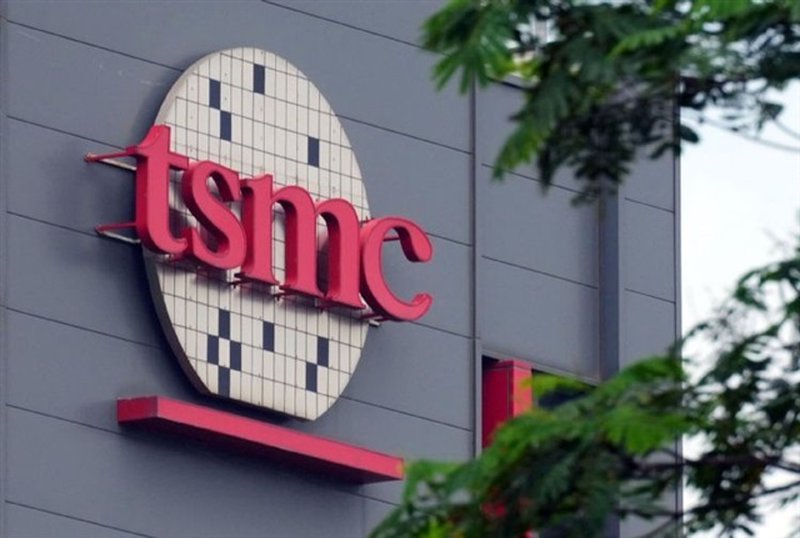
Tokyo Electron Taiwan has withdrawn its appeal in a court case involving the alleged infringement of TSMC's trade secrets. This decision follows a ruling that imposed a fine on a company unit and led to the jailing of a former engineer. This development underscores the increasing scrutiny and severity with which intellectual property matters are handled within the semiconductor industry, a critical domain for global technological innovation.
The case, which garnered significant industry attention, highlights leading companies' determination to protect their most valuable assets. Intellectual property, particularly in silicon manufacturing and advanced fabrication technologies, forms the core of competitive advantage and requires massive investments in research and development. The resolution of this dispute, with the appeal withdrawal, closes a significant chapter for the parties involved.
Intellectual Property in the Semiconductor Sector
The semiconductor industry is intrinsically linked to intellectual property (IP). Every stage of chip design, development, and production, from lithographic processes to architectural designs, is protected by patents and trade secrets. Companies like TSMC invest billions in R&D to maintain their technological leadership, making the protection of these innovations an absolute priority. The unauthorized loss or disclosure of trade secrets can have devastating economic repercussions and compromise years of effort.
The complexity and cost of creating new silicon technologies mean that IP is not just a legal asset but a strategic pillar. Trade secret disputes are not uncommon, but the severity of rulings, such as the jailing of a former employee, sends a clear message about the importance of safeguarding this information. This legal and competitive context directly influences the entire technology ecosystem, from chip manufacturing to the availability of specialized hardware for AI.
Implications for On-Premise AI Infrastructure
For CTOs, DevOps leads, and infrastructure architects evaluating the deployment of Large Language Models (LLM) on-premise, the stability and security of the semiconductor supply chain are critical factors. Events like intellectual property disputes, while specific, can have a cascading impact on the availability and cost of essential hardware, such as high-performance GPUs and custom silicon. The ability to procure reliable and innovative components is fundamental for building robust local stacks and ensuring data sovereignty.
Reliance on a complex global supply chain makes understanding IP-related risks and semiconductor market stability a key element in TCO planning and risk mitigation. For those evaluating on-premise deployments, AI-RADAR offers analytical frameworks on /llm-onpremise to assess trade-offs between cost, performance, and security, including supply chain resilience. Choosing a self-hosted infrastructure requires a holistic view that also considers these macroeconomic and legal factors influencing silicon availability.
Future Outlook and Industry Vigilance
The withdrawal of Tokyo Electron Taiwan's appeal and the legal consequences for the former engineer and the company unit reinforce the precedent for stringent intellectual property protection. This scenario is not isolated but reflects a global trend where technology companies are increasingly aggressive in defending their innovations. Moving forward, vigilance over intellectual property is expected to remain high, especially in R&D-intensive sectors like semiconductors and AI.
This focus on IP protection is a foundational element for long-term trust and innovation. While it ensures that R&D investments are safeguarded, it can also influence competitive dynamics and partnership strategies. For organizations aiming to build and maintain cutting-edge AI infrastructures, understanding these legal and market dynamics is as crucial as selecting hardware specifications or software frameworks.







💬 Comments (0)
🔒 Log in or register to comment on articles.
No comments yet. Be the first to comment!