
TSMC's Rise and Asia's Grip on AI Chip Supply
TSMC's (Taiwan Semiconductor Manufacturing Company) revenue increase highlights Asia's dominant position in the global supply chain for artificial intelligence chips. This scenario is not merely financial news but a crucial indicator for companies planning to implement Large Language Model (LLM) solutions and other AI applications, especially in on-premise deployment contexts. The ability to access cutting-edge hardware is a decisive factor for the success and sustainability of such initiatives.
The reliance on a limited number of suppliers for critical components like Graphics Processing Units (GPUs) and AI accelerators raises questions about supply chain resilience. For organizations aiming to maintain data sovereignty and full control over their AI infrastructures, understanding the dynamics of the chip market is fundamental.
The Strategic Role of Advanced Silicon
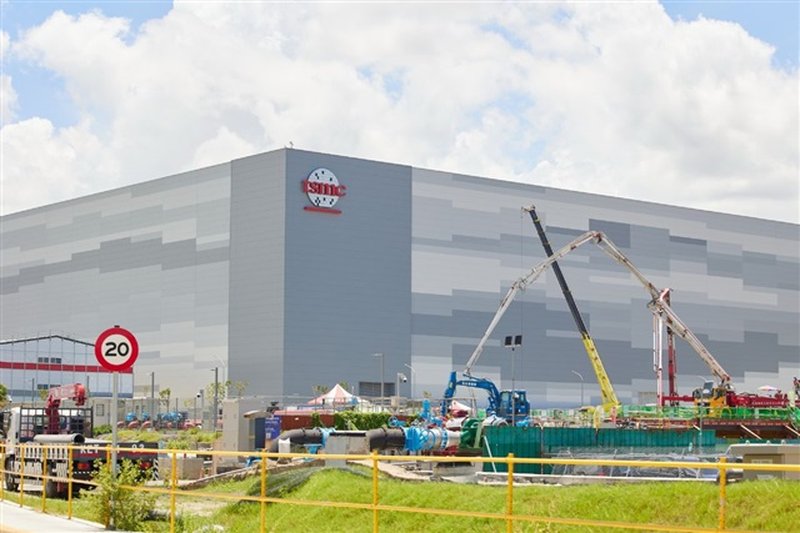
The beating heart of every modern AI system, particularly for training and Inference of complex LLMs, lies in advanced silicon. Components such as high-end GPUs, with their high VRAM capacities and computing power, are essential for handling the intensive workloads required by these models. TSMC stands as the world's leading producer of these chips, acting as a foundry for industry giants like NVIDIA, AMD, and other AI accelerator developers.
The manufacturing of these semiconductors requires extremely sophisticated and capital-intensive processes, with factories costing tens of billions of dollars and state-of-the-art lithography technologies. This technological and financial complexity has led to a strong concentration of production in a few geographical areas, with Taiwan and South Korea at the forefront. TSMC's ability to innovate and scale production is therefore an enabling factor for the entire AI industry.
Implications for On-Premise Deployments and TCO
For companies opting for a self-hosted approach for their AI workloads, the availability and cost of chips represent significant constraints. The concentration of production in Asia can lead to longer lead times and increased vulnerability to supply chain disruptions, such as those observed in recent years. This directly impacts capital expenditure (CapEx) planning and the overall Total Cost of Ownership (TCO) of an on-premise AI infrastructure.
The need to ensure data sovereignty, regulatory compliance, and security in air-gapped environments drives many organizations towards local solutions. However, reliance on a global supply chain for critical hardware introduces an element of risk that must be carefully managed. Evaluating the trade-offs between costs, performance, and supply chain resilience thus becomes an indispensable strategic exercise. AI-RADAR offers analytical frameworks on /llm-onpremise to support decisions related to these complex trade-offs.
Future Outlook and Strategic Diversification
The growing awareness of these dependencies has stimulated global initiatives aimed at diversifying semiconductor production. Governments and companies are investing heavily in building new foundries in North America and Europe, with the goal of reducing geographical concentration and strengthening supply chain resilience. However, the realization of these facilities requires years and substantial investments, making the transition a gradual process.
In the meantime, organizations deploying on-premise LLMs must continue to navigate a chip market dominated by a few key players. A proactive procurement strategy, the evaluation of alternative hardware options, and long-term planning are essential to mitigate risks and ensure operational continuity. The ability to adapt to an evolving supply landscape will be a critical factor for the success of strategic AI deployments.






💬 Comments (0)
🔒 Log in or register to comment on articles.
No comments yet. Be the first to comment!