L'Alleanza Strategica per l'Intelligenza al Bordo
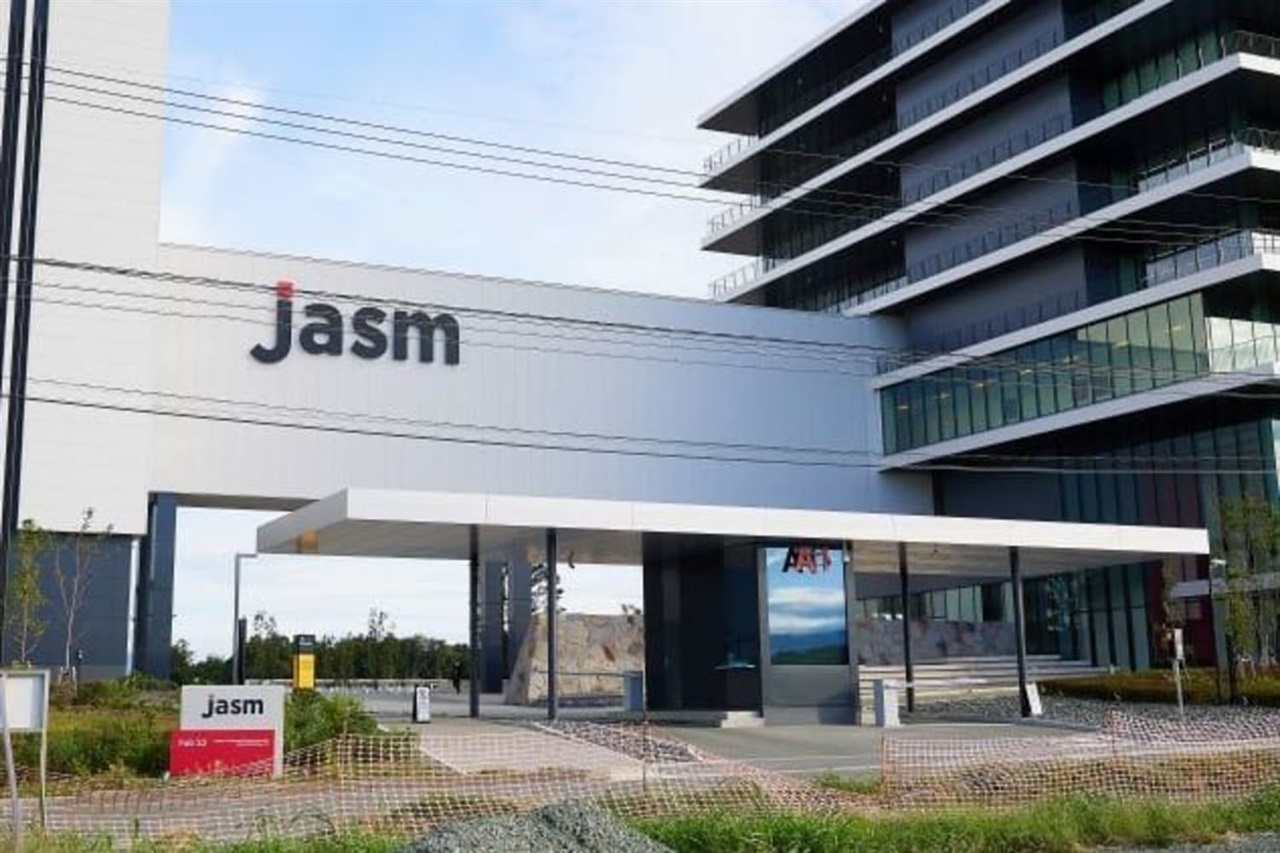
La notizia di una joint venture tra TSMC, leader mondiale nella produzione di semiconduttori, e Sony, gigante nell'elettronica e nei sensori di immagine, per lo sviluppo di sensori AI, evidenzia una chiara direzione strategica nel panorama tecnicico. Questa collaborazione non è solo un'unione di forze tra due colossi, ma rappresenta un'accelerazione verso l'integrazione profonda dell'intelligenza artificiale direttamente nei dispositivi di acquisizione dati. L'obiettivo è creare sensori capaci di elaborare informazioni in modo più autonomo ed efficiente, riducendo la dipendenza da infrastrutture cloud centralizzate per ogni singola operazione.
L'impatto di questa sinergia si estende ben oltre il mero miglioramento delle capacità di rilevamento. Si tratta di abilitare una nuova generazione di applicazioni edge, dove la decisione e l'analisi avvengono il più vicino possibile alla fonte dei dati. Questo approccio è particolarmente rilevante per settori che richiedono risposte in tempo reale, elevati standard di sicurezza o dove la connettività è limitata o costosa. La capacità di TSMC di produrre silicio avanzato si fonde con l'esperienza di Sony nei sensori, promettendo innovazioni che ridefiniranno i confini dell'AI distribuita.
Il Ruolo dei Sensori AI nell'Ecosistema On-Premise
I sensori AI, dotati di capacità di elaborazione e inference integrate, sono componenti fondamentali per l'architettura edge e i deployment self-hosted. Tradizionalmente, i dati raccolti dai sensori venivano inviati a server centralizzati o al cloud per l'analisi. Questo modello, sebbene efficace per molti scopi, presenta limitazioni in termini di latenza, consumo di banda e, soprattutto, sovranità dei dati. Con i sensori AI, una parte significativa dell'elaborazione può avvenire direttamente sul dispositivo, riducendo la quantità di dati grezzi da trasmettere e migliorando la velocità di risposta.
Per le organizzazioni che privilegiano i deployment on-premise, l'adozione di sensori AI offre vantaggi tangibili. Permette di mantenere il controllo sui dati sensibili fin dal punto di acquisizione, un aspetto cruciale per la compliance normativa e la sicurezza. Inoltre, la pre-elaborazione dei dati all'edge può alleggerire il carico sui server centrali, ottimizzando l'utilizzo delle risorse computazionali e riducendo i costi operativi complessivi (TCO). Questi dispositivi diventano nodi intelligenti in una rete distribuita, capaci di filtrare, aggregare e persino prendere decisioni preliminari autonomamente.
Implicazioni per l'Framework e il TCO
L'avanzamento nei sensori AI, spinto da collaborazioni come quella tra TSMC e Sony, ha ricadute dirette sull'infrastruttura IT e sul TCO aziendale. La disponibilità di silicio sempre più performante ed efficiente per l'edge significa che le aziende possono implementare capacità AI sofisticate in dispositivi con vincoli di potenza e spazio. Questo si traduce in una minore necessità di investimenti in connettività a banda larga per il trasferimento massivo di dati e in una potenziale riduzione dei costi di storage e computazione nel cloud.
Tuttavia, l'adozione di sensori AI richiede anche un'attenta pianificazione dell'infrastruttura locale. Sebbene l'elaborazione avvenga all'edge, è comunque necessaria una robusta pipeline per la gestione, l'aggiornamento e la raccolta dei dati aggregati dai sensori. Questo include soluzioni per la gestione dei dispositivi, l'orchestrazione dei carichi di lavoro AI distribuiti e sistemi di storage locali resilienti. La valutazione del TCO deve quindi considerare non solo il costo dei sensori stessi, ma anche l'investimento necessario per supportare un ecosistema AI distribuito che garantisca sicurezza, scalabilità e manutenibilità.
Prospettive Future e Trade-off
La joint venture tra TSMC e Sony sui sensori AI è indicativa di una tendenza più ampia: la decentralizzazione dell'intelligenza artificiale. Man mano che i Large Language Models (LLM) e altri modelli complessi diventano più efficienti e compatti, la possibilità di eseguire inference direttamente su dispositivi edge diventerà sempre più concreta. Questo apre scenari per applicazioni innovative in settori come l'automazione industriale, la smart city, la sanità e la sicurezza, dove la privacy e la latenza sono fattori critici.
Per le aziende che valutano le proprie strategie di deployment AI, questa evoluzione introduce nuovi trade-off. La scelta tra elaborazione completamente centralizzata nel cloud, un approccio ibrido o un'architettura prevalentemente edge dipenderà da fattori come i requisiti di latenza, la sensibilità dei dati, i costi di connettività e le capacità infrastrutturali esistenti. AI-RADAR, con il suo focus sui deployment on-premise e le architetture locali, offre framework analitici su /llm-onpremise per aiutare a navigare queste complessità, fornendo strumenti per valutare i pro e i contro di ciascun approccio in termini di TCO, sovranità dei dati e performance. La direzione è chiara: l'AI si avvicina sempre più alla fonte dei dati, e le implicazioni per l'infrastruttura sono profonde.






💬 Commenti (0)
🔒 Accedi o registrati per commentare gli articoli.
Nessun commento ancora. Sii il primo a commentare!