Taiwan's Undisputed Primacy in Chip Manufacturing
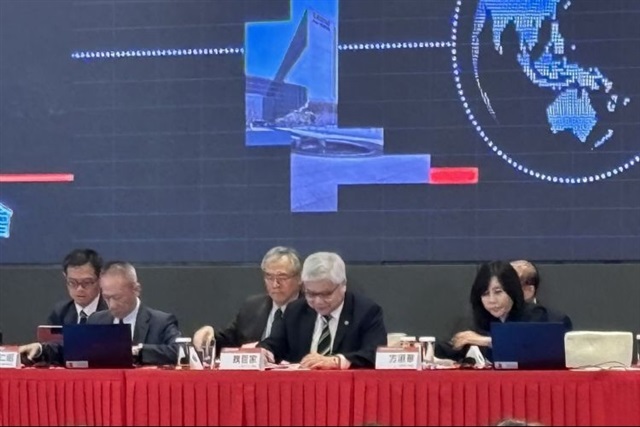
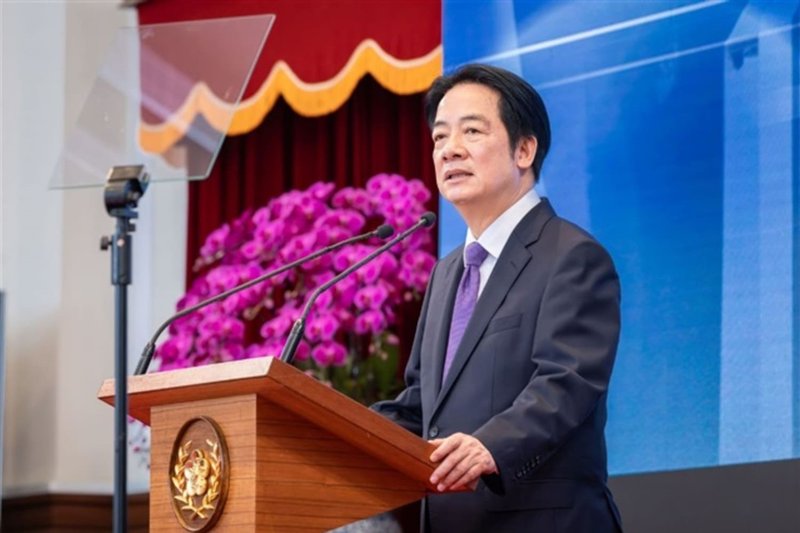
The chairman of TSMC recently reiterated Taiwan's dominant position in the global semiconductor manufacturing landscape, downplaying efforts by other nations to establish alternative production clusters. According to his statement, Taiwan's chip supply chain remains unmatched, an assertion that underscores the complexity and depth of the technological ecosystem developed on the island.
This stance is not merely a statement of confidence but reflects a consolidated industrial reality. Taiwan, and TSMC in particular, is at the heart of producing the world's most advanced chips, essential for a wide range of technologies, from consumer devices to the data centers powering Large Language Models (LLM) and other artificial intelligence applications.
The Complexity of the Semiconductor Supply Chain
Creating a semiconductor supply chain goes beyond merely building chip factories. It requires a vast and interconnected ecosystem that includes specialized material suppliers, precision equipment manufacturers, advanced engineering expertise, and impeccable logistics. Taiwan has spent decades building this infrastructure, making it extremely difficult for any other country to replicate it quickly.
For companies evaluating on-premise AI deployments, the availability and reliability of this supply chain are critical factors. Access to latest-generation GPUs, with specifications such as high VRAM and computing power, directly depends on the production capacity of companies like TSMC. Disruptions or inefficiencies in this chain can significantly impact hardware delivery times and costs.
Implications for On-Premise AI Infrastructure
Taiwan's centrality in chip manufacturing has direct implications for CTOs, DevOps leads, and infrastructure architects planning on-premise AI/LLM workloads. Reliance on a single geographical region for such critical components raises questions of supply chain resilience and risk management. While efforts to diversify production are underway globally, TSMC's statement suggests that the road ahead is still long.
For those investing in self-hosted infrastructures, understanding these market dynamics is fundamental for Total Cost of Ownership (TCO) planning. Initial capital expenditures (CapEx) for acquiring AI hardware, such as high-performance GPUs, are heavily influenced by global availability and lead times, which in turn depend on the stability and efficiency of the Taiwanese supply chain. Data sovereignty and control over infrastructure, primary goals for many on-premise deployments, are intrinsically linked to the ability to procure and maintain the necessary hardware.
Future Prospects and Strategic Decisions
The debate over the localization of semiconductor production is set to continue, fueled by geopolitical and economic considerations. While some countries seek to incentivize domestic production, the reality is that the Taiwanese ecosystem represents a competitive advantage that is difficult to overcome. For organizations relying on advanced AI infrastructures, it is essential to monitor these developments and integrate them into their procurement and deployment strategies.
Evaluating the trade-offs between reliance on a consolidated supply chain and investments in emerging alternatives is a complex decision. AI-RADAR offers analytical frameworks on /llm-onpremise to help assess these trade-offs, considering factors such as hardware availability, TCO, and compliance requirements. Ensuring access to quality silicon is a cornerstone for any successful on-premise AI strategy.






💬 Comments (0)
🔒 Log in or register to comment on articles.
No comments yet. Be the first to comment!