Introduzione: La Scelta di TSMC e il Futuro del Silicio
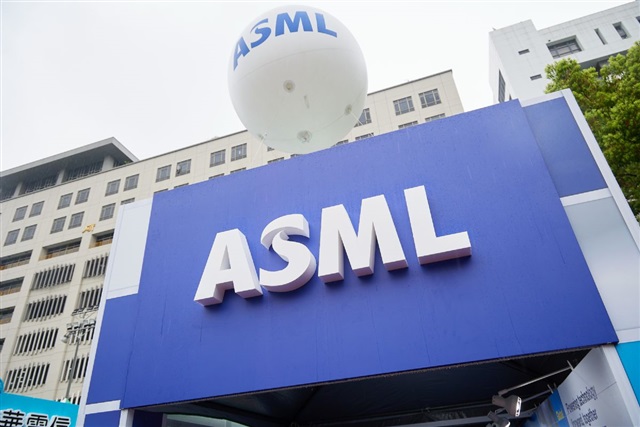
TSMC, il colosso taiwanese della produzione di semiconduttori, ha preso una decisione significativa che potrebbe influenzare il panorama tecnicico globale per i prossimi anni. L'azienda ha infatti rifiutato l'acquisto dell'ultima generazione di apparecchiature per litografia ultravioletta estrema (EUV) ad alta apertura numerica (High-NA) prodotte da ASML, il principale fornitore mondiale di queste macchine essenziali.
La motivazione principale dietro questa scelta risiede nell'elevato costo associato a questi sistemi avanzati. Questa mossa di TSMC, riportata da DIGITIMES, suggerisce una strategia cauta nell'adozione di tecnicie di frontiera, con potenziali ripercussioni sui tempi di sviluppo e sui costi dei chip di prossima generazione, fondamentali per settori come l'intelligenza artificiale e il calcolo ad alte prestazioni.
La Tecnologia High-NA EUV: Un Dettaglio Tecnico
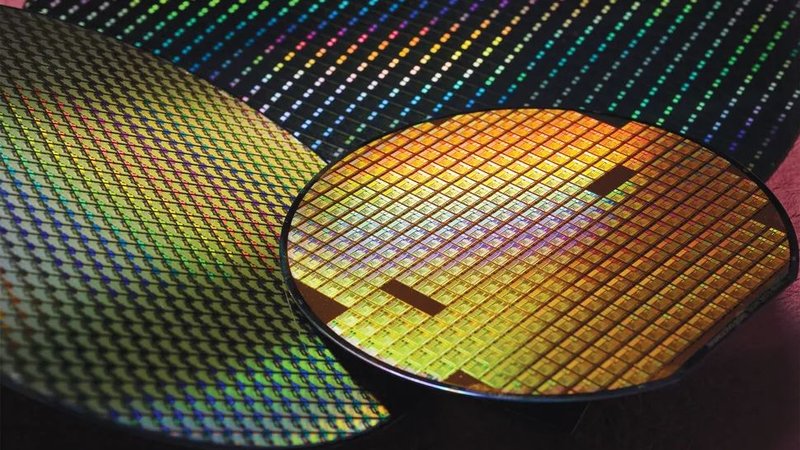
La tecnicia High-NA EUV rappresenta il passo successivo nell'evoluzione della litografia, il processo che permette di incidere circuiti sempre più piccoli sui wafer di silicio. Le macchine EUV standard utilizzano una luce con una lunghezza d'onda estremamente ridotta per creare pattern microscopici, ma la versione High-NA aumenta ulteriormente la risoluzione grazie a un'apertura numerica maggiore.
Questo incremento di risoluzione è cruciale per raggiungere nodi di processo ancora più densi, come i 2 nanometri e oltre, consentendo la produzione di chip con un numero esponenzialmente maggiore di transistor. ASML detiene un quasi monopolio in questo segmento di mercato, rendendo le sue innovazioni indispensabili per i produttori di semiconduttori che mirano alla leadership tecnicica. Tuttavia, l'investimento richiesto per queste macchine è ingente, ponendo sfide significative in termini di CapEx e ritorno sull'investimento.
Implicazioni per l'Industria e il TCO
La decisione di TSMC di posticipare o evitare l'adozione dell'High-NA EUV potrebbe avere diverse implicazioni per l'intera industria. In primo luogo, potrebbe rallentare la corsa verso nodi di processo ultra-avanzati, influenzando la roadmap di sviluppo di chip per applicazioni critiche come i Large Language Models (LLM) e l'Inference AI.
Per le aziende che valutano il deployment di infrastrutture AI self-hosted o on-premise, questa situazione si traduce in una potenziale incertezza sulla disponibilità e sul costo futuro delle GPU e di altro hardware ad alte prestazioni. Il Total Cost of Ownership (TCO) di un'infrastruttura AI è fortemente influenzato dal costo del silicio sottostante, e le scelte dei produttori di chip si riflettono direttamente sui budget IT. La cautela di TSMC evidenzia i trade-off tra l'adozione precoce di tecnicie costose e la gestione dei costi di produzione.
Prospettive Future e Strategie di Deployment
La strategia di TSMC potrebbe indicare una preferenza per ottimizzare le tecnicie EUV esistenti o esplorare percorsi alternativi per raggiungere densità simili, piuttosto che affrontare immediatamente i costi proibitivi dell'High-NA. Questa scelta potrebbe anche influenzare le decisioni di altre fonderie globali, che potrebbero seguire un approccio simile per contenere gli investimenti.
Per i CTO, i responsabili DevOps e gli architetti di infrastruttura, comprendere queste dinamiche è fondamentale. Le decisioni a monte nella catena di fornitura del silicio hanno un impatto diretto sulla pianificazione degli acquisti hardware, sulla scalabilità e sulla sostenibilità economica dei deployment AI. AI-RADAR, ad esempio, offre framework analitici per valutare i trade-off associati ai deployment on-premise, fornendo strumenti per navigare in un panorama tecnicico in continua evoluzione.








💬 Commenti (0)
🔒 Accedi o registrati per commentare gli articoli.
Nessun commento ancora. Sii il primo a commentare!