The AI Silicon Race and Supply Chain Challenges
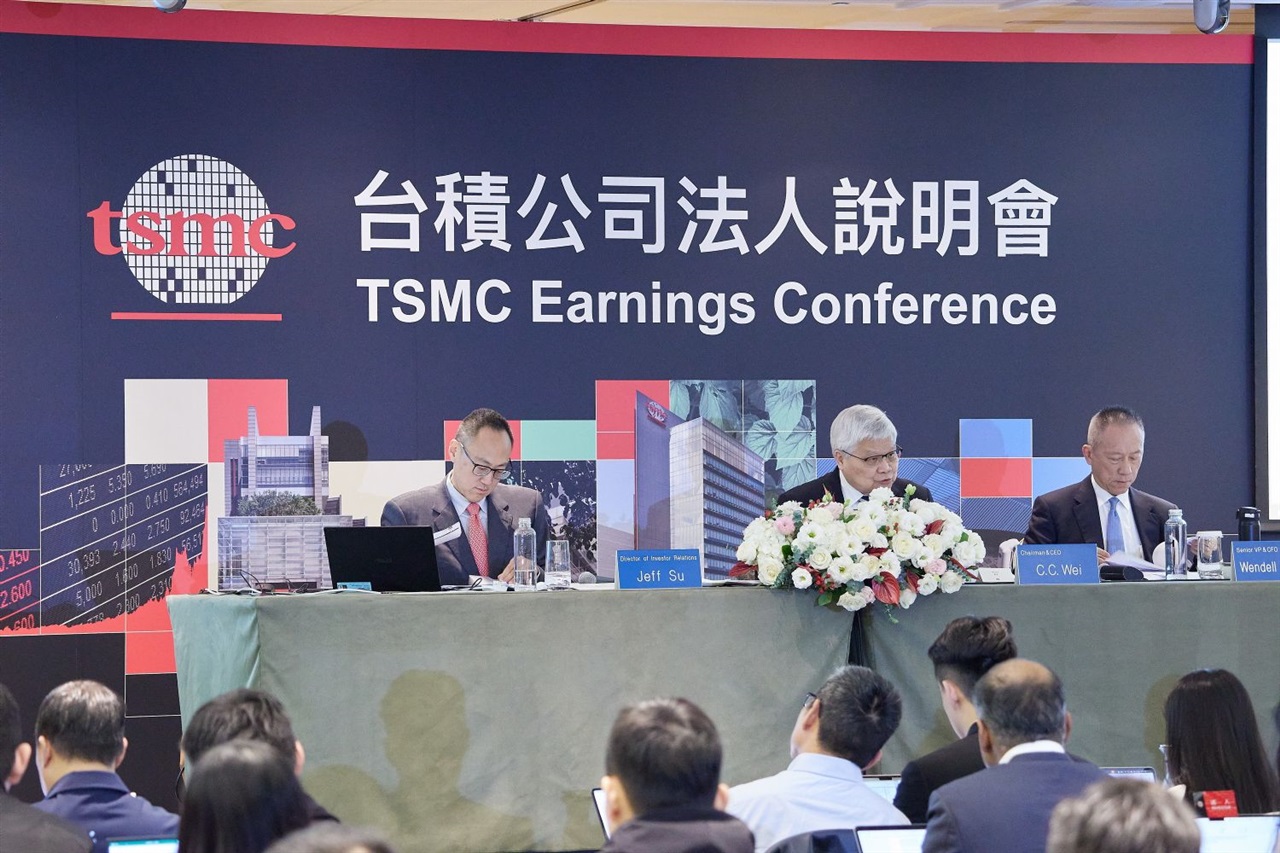
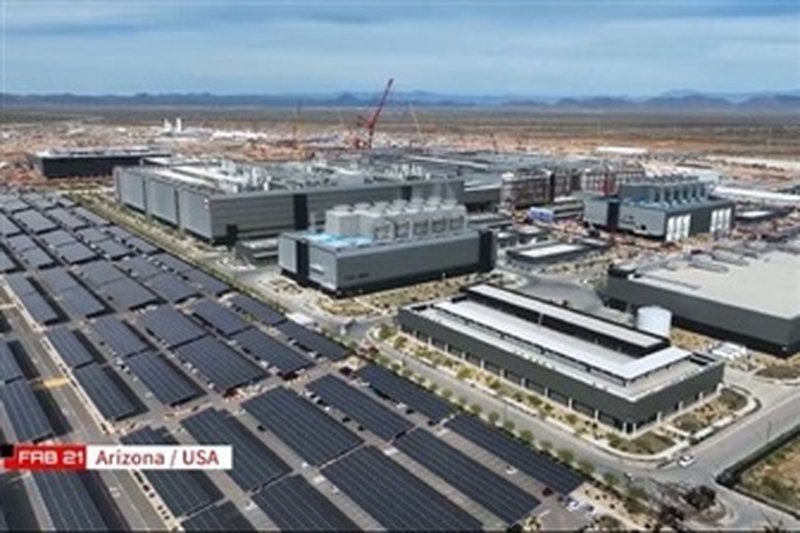
The explosion of generative artificial intelligence has triggered unprecedented demand for specialized silicon, essential for powering Large Language Models (LLM) and other advanced applications. This scenario has put significant pressure on key players within the semiconductor supply chain. Specifically, TSMC, the Taiwanese giant and world leader in contract chip manufacturing, is facing considerable strain on its AI-related production capacities.
This situation has not gone unnoticed by technology giants. Companies such as Samsung, Intel, and Apple are actively exploring and testing alternative foundries to TSMC. The search for new partnerships or the expansion of internal capabilities reflects a risk mitigation strategy aimed at ensuring a consistent supply of critical components in an increasingly competitive and volatile market.
Implications for On-Premise LLM Deployments
Hardware availability is a crucial factor for organizations choosing to implement AI solutions, particularly LLMs, in self-hosted or air-gapped environments. Reliance on a limited number of advanced silicon providers can lead to long lead times and high costs, directly impacting the Total Cost of Ownership (TCO) of AI projects. For CTOs and infrastructure architects, the ability to procure high-performance GPUs with sufficient VRAM and throughput becomes a strategic priority.
Foundry diversification is not merely a matter of volume but also of supply chain resilience. A disruption in the production of a single supplier can have cascading repercussions across the entire industry, delaying the release of new products and the expansion of AI infrastructures. For those evaluating on-premise deployments, it is essential to consider the stability of the hardware supply chain as a key element in long-term planning.
Data Sovereignty and Control in an Era of Scarcity
The choice of an on-premise deployment is often driven by needs for data sovereignty, regulatory compliance, and direct control over infrastructure. However, these decisions are intrinsically linked to the availability and accessibility of the underlying hardware. If chip scarcity persists, companies might face a dilemma: compromise release schedules or revise their deployment strategies.
The search for alternatives by players like Samsung and Intel, who also possess internal manufacturing capabilities (in Intel's case), could lead to a more distributed foundry ecosystem. This, in turn, might offer more options for companies requiring specific hardware for their AI workloads, balancing performance needs with security and control requirements.
Future Outlook for the AI Supply Chain
The pressure on the semiconductor supply chain for AI is expected to remain a central theme in the near future. Strategies adopted by giants such as Samsung, Intel, and Apple, who seek to mitigate risks through diversification, indicate a broader trend towards greater resilience and autonomy in chip production. This could translate into significant investments in new factories and manufacturing technologies, potentially reducing reliance on a single dominant player.
For companies planning their AI infrastructure, monitoring the evolution of the supply chain will be crucial. The ability to adapt to varying hardware availability scenarios, exploring different silicon options and architectures, will become a competitive advantage. AI-RADAR, for instance, offers analytical frameworks on /llm-onpremise to evaluate the trade-offs between different deployment strategies, helping companies make informed decisions in a rapidly evolving technological landscape.







💬 Comments (0)
🔒 Log in or register to comment on articles.
No comments yet. Be the first to comment!