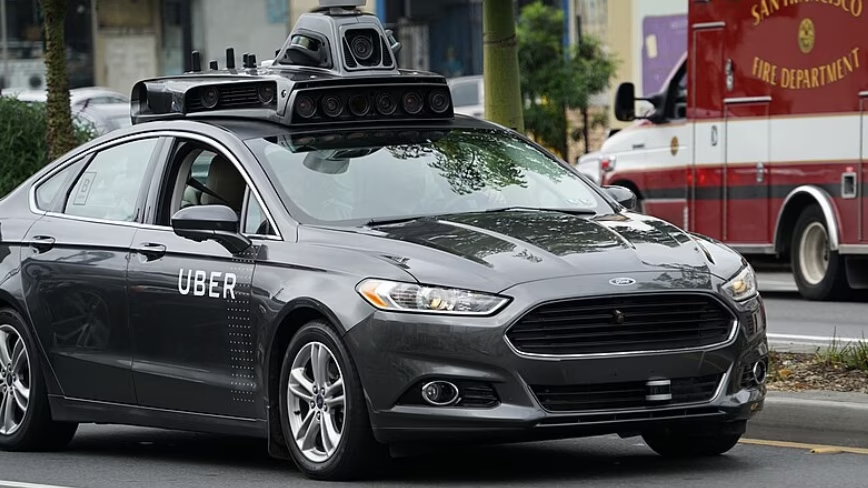
When a tech giant loses an innovation race on which it has bet billions, one of two things usually happens: it retreats quietly or tries to redefine the playing field. Uber has chosen the second path, and it’s doing so with a strategy many underestimate.
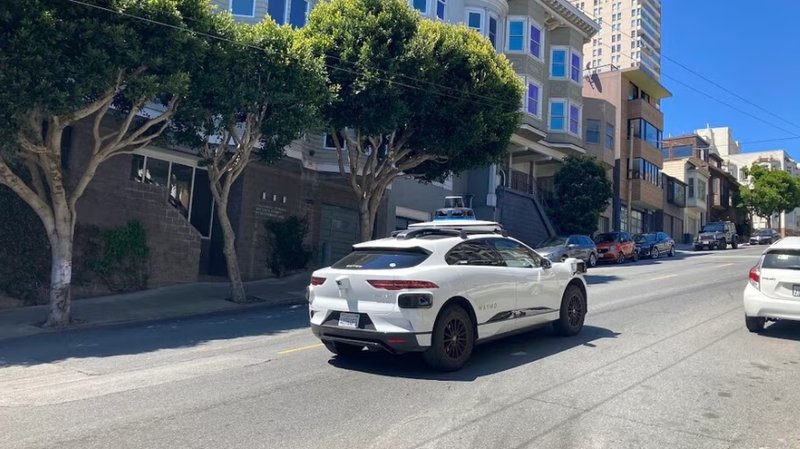
As reported by The Next Web, the company is lobbying in two US states for laws that would force already-operational robotaxi services to appear on its platform. The goal is no longer building autonomous vehicles—an objective abandoned after years of investment and accidents—but shaping the market access rules for those who succeeded where Uber failed.
Uber’s product chief, interviewed on the matter, explains the rationale: the company wants to become the single interface for autonomous mobility, leveraging its user base and brand familiarity. In this vision, robotaxi fleet operators would be reduced to mere capacity providers, while Uber retains the customer relationship and trip data.
From builder to gatekeeper
The transformation isn’t unprecedented. In many tech sectors, those who don’t win the hardware or software battle try to position themselves as the distribution platform. Uber couldn’t compete with Waymo or Cruise on autonomous engineering: after the fatal 2018 Arizona crash and technical difficulties, it handed its entire Advanced Technologies Group to Aurora Innovation in 2020, retaining equity but exiting development.
Now the fight moves to regulation and commerce. The bills Uber is backing would require any robotaxi operating license in those jurisdictions to include an obligation that the service be bookable through authorized third-party apps, with Uber first in line. This flips the paradigm: instead of vertically integrating the technology, it mandates downstream interoperability.
Data lock-in and experience control
A robotaxi operator has invested in sensors, on-board compute power, communication networks, and increasingly in local infrastructure to process data in real time without relying on the cloud. Many are evaluating hybrid or on-premise architectures to reduce latency and retain sovereignty over the information flows generated by vehicles. Uber’s centralized platform, by contrast, would capture every interaction: pickup location, destination, timestamps, route preferences.
For autonomous service providers, the difference between owning the channel and renting it is substantial. Regulatory compulsion would shrink their margin of maneuver, turning operators into commodities. The pattern closely mirrors what is happening in the LLM market: model providers forced through third-party APIs, handing over metadata and queries while platform owners control the user experience.
Structural implications
Uber’s move signals a broader trend: when a player cannot lead on the underlying technology, it can try to win on market access by leveraging regulatory muscle. This is a warning for any company investing in autonomous infrastructure, robotics, or distributed AI: building a technically superior product isn’t enough if the rules of deployment are rewritten by whoever controls the end customer.
For those currently evaluating on-premise inference strategies for LLMs, the Uber case adds a piece to the puzzle: data sovereignty is defended not only with local hardware and private networks, but also through the ability to negotiate integration terms with dominant platforms. The legal battle in two US states might seem peripheral, but its outcome will determine whether technological innovation translates into operational autonomy or dependency on a middleman.







💬 Comments (0)
🔒 Log in or register to comment on articles.
No comments yet. Be the first to comment!