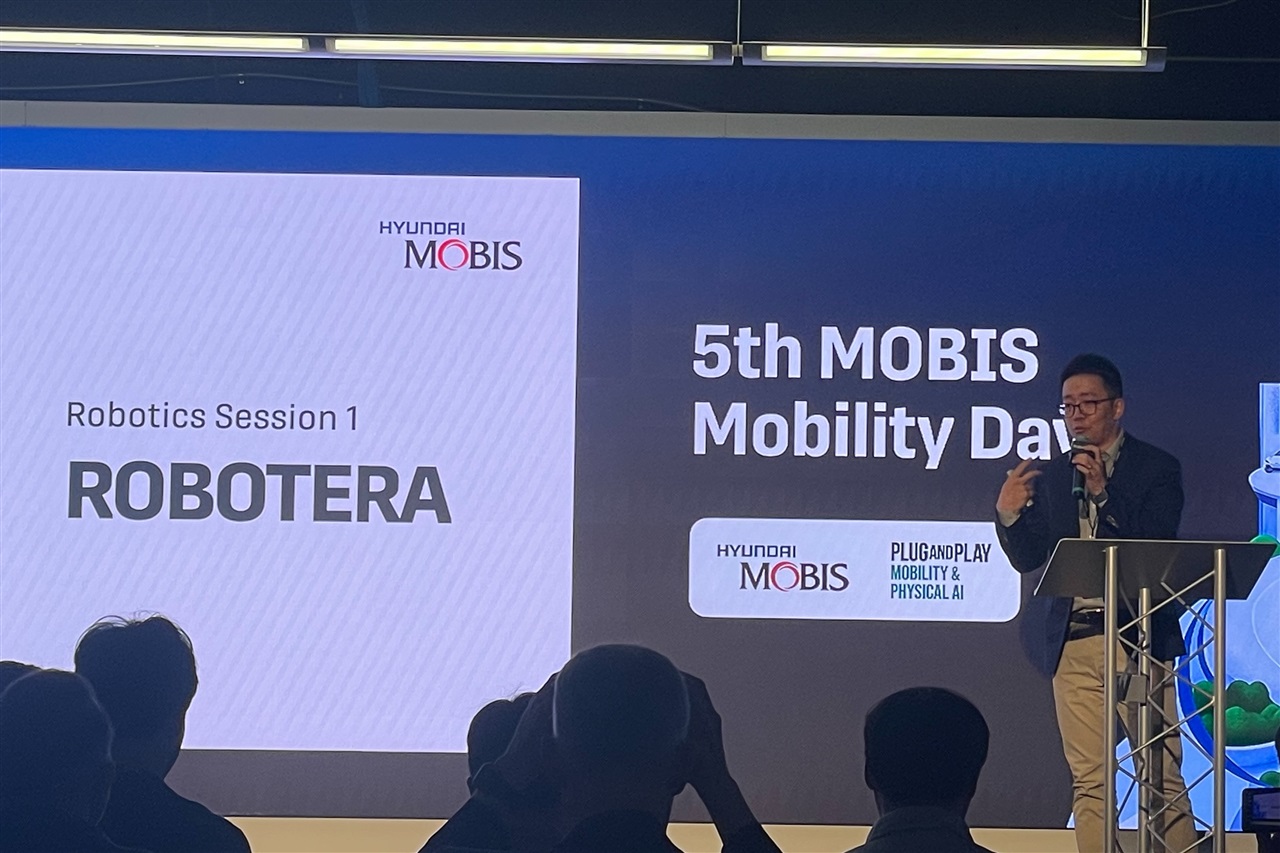
The Rise of a New Player in the Robotics Landscape
A Chinese robotics firm, founded just two years ago, has recently captured the industry's attention with a bold claim: supplying solutions to nine of the world's top ten technology companies. This statement, if confirmed, would position the young entity as a key supplier in a highly competitive and rapidly evolving market. The ascent of such a young company to such a high level of influence suggests significant innovation or specialization in a niche segment particularly in demand by tech giants.
The robotics sector is undergoing a profound transformation, driven by the increasingly close integration with artificial intelligence. Applications range from advanced manufacturing to logistics, from services to healthcare, requiring robotic systems that are increasingly autonomous, intelligent, and capable of interacting in complex environments. In this context, a company's ability to gain the trust of major global players in such a short time is an indicator of its potential technological leadership or its effectiveness in solving critical problems for large enterprises.
The Role of AI in Modern Robotics and Deployment Challenges
Artificial intelligence, particularly Large Language Models (LLMs) and computer vision techniques, have become indispensable components for modern robotics. These technologies enable robots to perceive their surroundings, make complex decisions, learn from new experiences, and even interact with humans more naturally. However, integrating AI into robotic systems presents unique challenges, especially concerning deployment.
Many robotic applications require real-time processing capabilities and low latency. This often implies adopting edge computing strategies or self-hosted deployments, where AI model inference occurs directly on the robot or on local servers, rather than in the cloud. Such approaches are crucial for ensuring responsiveness, reliability, and operational security, especially in critical industrial contexts or air-gapped environments. The choice between on-premise deployment and cloud-based solutions is dictated by a careful evaluation of trade-offs between costs, performance, security, and data sovereignty.
Implications for Data Sovereignty and TCO
For large technology companies, and particularly those operating in regulated sectors or with sensitive data, data sovereignty is a primary concern. The adoption of robotic solutions that handle operational or personal data requires stringent guarantees regarding information localization and protection. In this scenario, solutions that allow granular control over data, often through on-premise or hybrid deployments, become particularly attractive. This is a crucial aspect for those evaluating self-hosted alternatives versus cloud services for AI/LLM workloads, as highlighted by the analytical frameworks offered by AI-RADAR on /llm-onpremise.
Beyond data sovereignty, the Total Cost of Ownership (TCO) represents a significant decision-making factor. While cloud solutions can offer initial flexibility, long-term operational costs for intensive AI workloads can become prohibitive. On-premise solutions, while requiring a higher initial investment in hardware (such as GPUs with specific VRAM) and infrastructure, can offer a lower TCO over time, greater control over resources, and optimized performance for specific workloads. A robotics provider's ability to balance these aspects is fundamental to attracting and retaining high-profile clients.
Future Prospects and the Global Robotics Market
The claim by this young Chinese company underscores the dynamism of the global robotics market and the emergence of new innovation hubs. Competition is no longer limited to traditional industrial giants but also includes agile startups capable of developing cutting-edge technologies and scaling rapidly. Success in this sector will increasingly depend on the ability to integrate robust hardware with sophisticated AI software, offering solutions that meet enterprise customers' specific needs for performance, security, and data control.
The future of robotics will likely be characterized by a continuous convergence of AI, edge computing, and automation. Companies that can navigate the complex trade-offs between cloud and on-premise deployments, while ensuring high standards of data sovereignty and competitive TCO, will be those destined to lead innovation. The focus will increasingly shift towards comprehensive solutions that not only perform tasks but also learn, adapt, and operate autonomously and securely across a wide range of industrial and commercial contexts.






💬 Comments (0)
🔒 Log in or register to comment on articles.
No comments yet. Be the first to comment!