
Valar Atomics: 450 milioni per l'AI alimentata dal nucleare, ripensando la scala energetica
Il settore dell'intelligenza artificiale, in rapida espansione, si trova di fronte a una sfida energetica sempre più pressante. La domanda di potenza computazionale per l'addestramento e l'inference di Large Language Models (LLM) sta spingendo i limiti delle infrastrutture esistenti, rendendo la ricerca di fonti energetiche stabili e scalabili una priorità. In questo scenario, emerge una visione audace che propone un'alleanza inaspettata: quella tra l'AI e l'energia nucleare.
Isaiah Taylor, un imprenditore di 27 anni, è al centro di questa iniziativa. La sua azienda, Valar Atomics, ha recentemente raccolto 450 milioni di dollari, un finanziamento significativo che sottolinea la fiducia degli investitori in questa scommessa strategica. L'idea di Taylor non è nuova nel suo fondamento – l'energia nucleare è da tempo riconosciuta come una fonte potente e a basse emissioni – ma è radicale nella sua applicazione e nella sua scala, pensata per le esigenze specifiche dell'era dell'AI.
Il nodo energetico dei data center AI
L'infrastruttura necessaria per sostenere lo sviluppo e il deployment di LLM e altri carichi di lavoro AI è notoriamente energivora. I data center moderni, in particolare quelli ottimizzati per l'AI, richiedono quantità massicce di elettricità non solo per alimentare migliaia di GPU ad alte prestazioni, ma anche per i complessi sistemi di raffreddamento e le infrastrutture di rete. Questa fame di energia si traduce in costi operativi elevati e in una crescente impronta di carbonio, spingendo le aziende a cercare soluzioni più sostenibili ed economicamente vantaggiose.
La dipendenza dalle reti elettriche tradizionali, spesso sovraccariche o basate su fonti fossili, rappresenta un vincolo significativo per la crescita esponenziale dell'AI. Per le organizzazioni che valutano un deployment on-premise, la disponibilità di energia affidabile e a basso costo è un fattore determinante nel calcolo del Total Cost of Ownership (TCO). La capacità di generare energia in loco potrebbe rivoluzionare la fattibilità economica e operativa di data center AI self-hosted, offrendo maggiore controllo e sovranità sui dati.
La visione di Valar Atomics: ripensare il nucleare per l'AI
La visione di Isaiah Taylor per Valar Atomics affonda le radici in una critica fondamentale all'industria nucleare tradizionale. Già all'età di sedici anni, Taylor aveva identificato un "problema di dimensione" nei reattori esistenti. Questi impianti, descritti come "monumenti multi-gigawatt all'ingegneria dell'era della Guerra Fredda", sono stati concepiti per una rete elettrica centralizzata e per esigenze energetiche di scala nazionale, non per alimentare in modo efficiente e localizzato i data center AI.
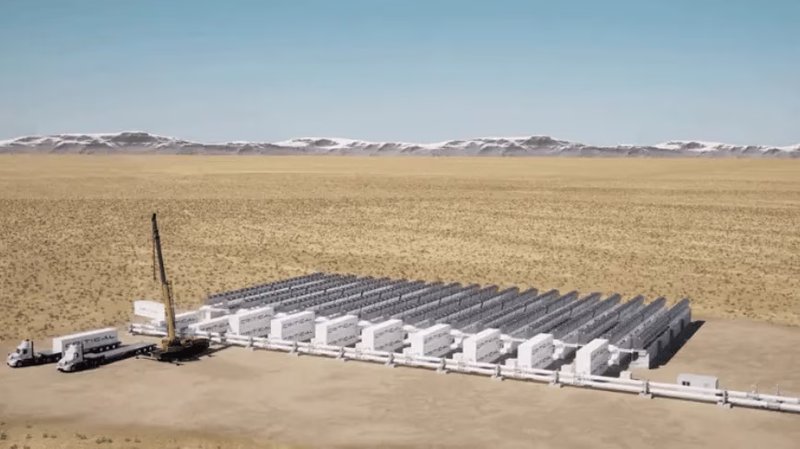
L'approccio di Valar Atomics suggerisce un ripensamento radicale della scala e del deployment dell'energia nucleare. Sebbene i dettagli specifici del loro design non siano stati divulgati in questa fase iniziale, l'implicazione è chiara: sviluppare soluzioni nucleari più piccole, modulari e potenzialmente più agili, capaci di integrarsi direttamente con le esigenze di potenza dei grandi complessi computazionali. Questo potrebbe aprire nuove strade per le aziende che desiderano mantenere i propri carichi di lavoro AI on-premise, garantendo non solo la sovranità dei dati e la compliance, ma anche un'indipendenza energetica senza precedenti.
Prospettive e implicazioni per l'infrastruttura AI
L'iniziativa di Valar Atomics, sostenuta da un finanziamento così cospicuo, evidenzia una tendenza emergente: la ricerca di soluzioni energetiche innovative come fattore abilitante per il futuro dell'AI. Per le aziende che operano con LLM e altre applicazioni di intelligenza artificiale, la possibilità di disporre di una fonte di energia dedicata e controllata in loco potrebbe trasformare radicalmente il panorama del deployment. Questo approccio potrebbe ridurre la dipendenza dalle fluttuazioni dei prezzi dell'energia e dalle limitazioni della rete, offrendo un vantaggio competitivo significativo.
Tuttavia, la strada per l'integrazione dell'energia nucleare nei data center AI non è priva di sfide. Questioni normative, di sicurezza, di accettazione pubblica e di costi iniziali rimangono ostacoli significativi. Nonostante ciò, la visione di Valar Atomics propone un modello che, se realizzato, potrebbe non solo soddisfare la crescente domanda energetica dell'AI, ma anche promuovere un'infrastruttura più resiliente, sostenibile e sovrana. Per chi valuta deployment on-premise, l'evoluzione di queste tecnicie energetiche rappresenta un fattore da monitorare attentamente per le sue potenziali implicazioni sul TCO e sulla strategia infrastrutturale complessiva.







💬 Commenti (0)
🔒 Accedi o registrati per commentare gli articoli.
Nessun commento ancora. Sii il primo a commentare!