Venture Capital in Europe: A Geographical and Gender Analysis
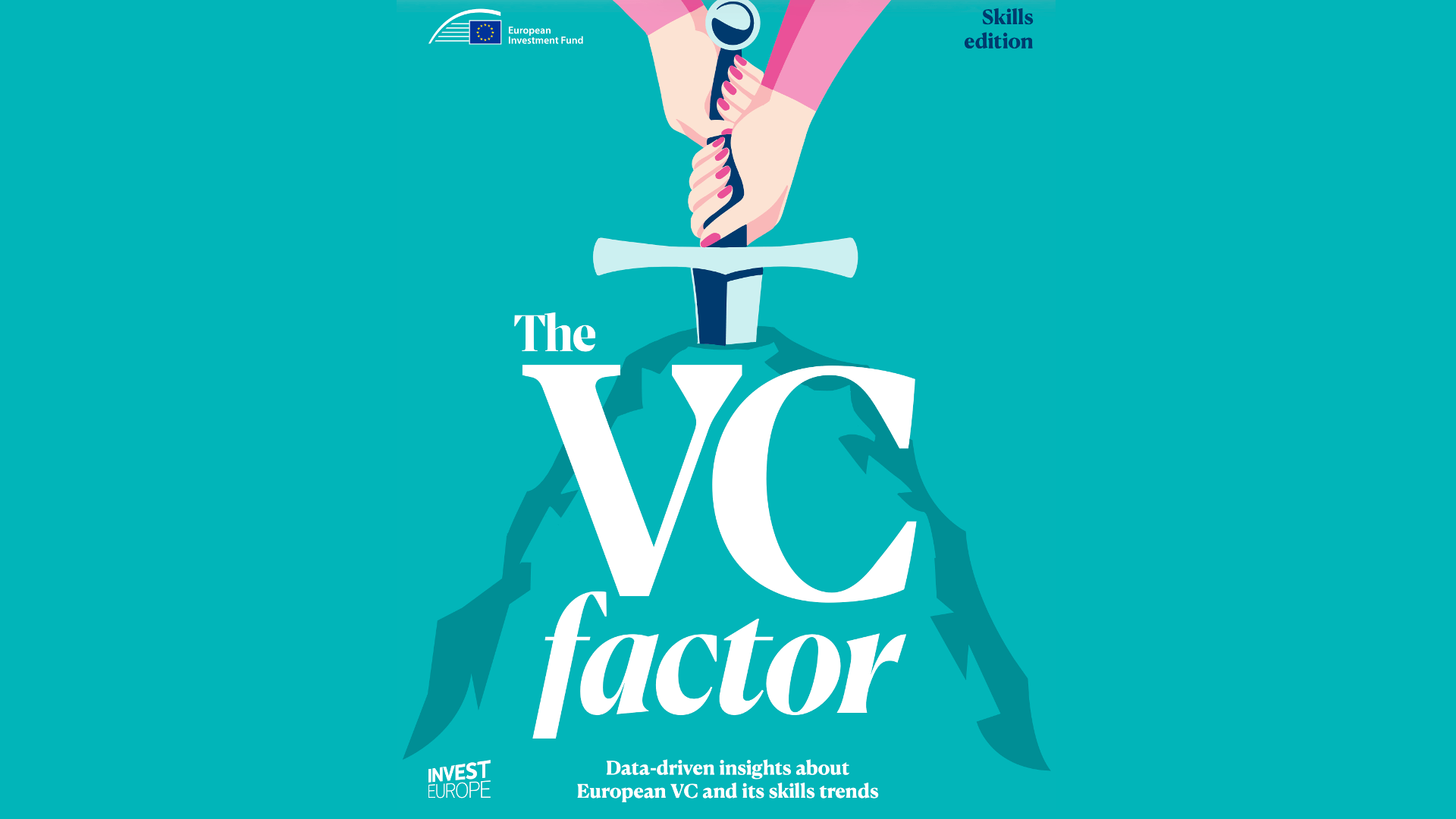
Invest Europe, in collaboration with the European Investment Fund (EIF), has published a report titled The VC Factor: Skills Edition, which analyzes the European venture capital landscape, focusing on cross-border startup funding and the influence of education and gender on funding outcomes and startup development.
The report highlights how European venture capital activity is organized around "clans" of VC hubs, interconnected but regionally defined networks, including Benelux, the British Isles, Central and Eastern Europe (including Greece), DACH, France, the Iberian Peninsula, Italy/Malta, and the Nordics/Baltics. In 2021, 43% of venture capital investment crossed clan boundaries, up from 23% in 2007.
The British Isles emerge as the most connected region, acting as the preferred investment partner for five of the eight clans. In contrast, the Iberian Peninsula and Italy/Malta recorded the highest levels of intra-regional investment, with 88% and 87% of VC capital, respectively, remaining within their regions.
Education, Gender, and Funding
The report emphasizes that the European venture capital ecosystem is influenced not only by capital flows and geographic hubs but also by the skills, experience, and backgrounds of the individuals involved. Alumni of the top 50 universities represent 10.7% of founders but receive 15.7% of total venture capital funding.
Startups with predominantly female founding teams receive, on average, €700,000 less per investment than those led mainly by male founders, despite women founders tending to have higher educational attainment and greater representation among graduates of highly ranked universities. This gap suggests persistent imbalances in the distribution of opportunity and capital within the ecosystem.






💬 Comments (0)
🔒 Log in or register to comment on articles.
No comments yet. Be the first to comment!