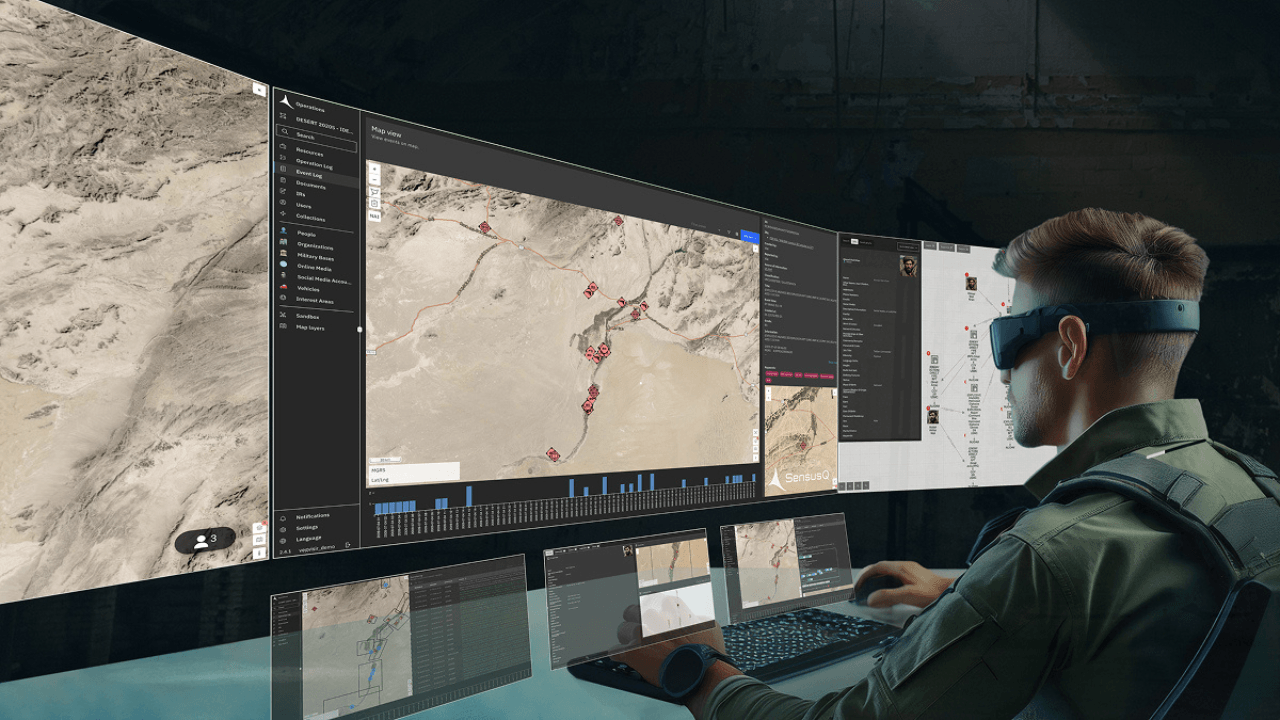
La frammentazione dei sistemi di comando e controllo resta la spina nel fianco delle forze armate moderne, specie quando i droni e i veicoli senza pilota si moltiplicano su terra, aria e mare. L'azienda estone Vegvisir ha appena incassato un investimento da Iron Wolf Capital – fondo con forti agganci sulla linea orientale della NATO – per costruire quel collante software che manca: un'interfaccia operativa unica, capace di visualizzare e dirigere asset con equipaggio e senza, indipendentemente dal dominio o dal produttore.
La piattaforma: strato software nativo e agnostico
La proposta di Vegvisir non è l'ennesimo sistema proprietario, ma un layer di comando che si installa sopra l'hardware esistente, progettato fin dal principio per l'interoperabilità. L'architettura è software-native e platform-agnostic: traduce in pratica la possibilità di connettere mezzi terrestri, aerei, marittimi e subacquei usando un unico pannello di controllo. Al cuore c'è un motore di rilevamento e supporto decisionale basato su AI, che punta a ridurre il carico cognitivo degli operatori impegnati a gestire contemporaneamente asset in diversi domini. L'ambizione dichiarata è fare per la guerra alleata quello che il controllo del traffico aereo ha fatto per l'aviazione civile: diventare l'interfaccia di comando sulla quale transitano attori, asset e decisioni, a prescindere dalla nazionalità o dal fornitore del sistema.
Dov'è il valore per chi opera in edge
In un contesto di deployment reale, piattaforme come questa sono pensate per girare on-premise o in edge, spesso su nodi di calcolo militari con connettività intermittente e vincoli severi di latenza e sicurezza. L'approccio software-defined e multi-dominio sposta la complessità dall'hardware alla capacità di orchestrazione: invece di incastrare nuovi apparati in stack proprietari, si aggiunge uno strato di comando unico che dialoga con i mezzi esistenti attraverso interfacce standardizzate. Questo riduce il TCO (TCO) perché evita di dover sostituire intere flotte di veicoli per renderli interoperabili, ma al contempo impone una maturità notevole nella gestione della sicurezza delle comunicazioni e nella robustezza del software in ambienti contestati.
Un segnale per la difesa europea
L'investimento di Iron Wolf Capital e il coinvolgimento di figure come Kuldar Väärsi, CEO di Milrem Robotics, segnalano una convergenza precisa: il futuro della difesa passa attraverso sistemi software-defined che rendono l'interoperabilità un asset di alleanza, non un lusso sperimentale. Milrem stessa sviluppa piattaforme robotiche terrestri, e il suo amministratore delegato vede in Vegvisir lo strato che rende quei mezzi "operativamente più capaci e facili da adattare". Per un mercato come quello europeo, dove i programmi di difesa soffrono spesso di duplicazioni e scarsa compatibilità cross-nazionale, un singolo punto di comando multinazionale potrebbe davvero cambiare le carte in tavola. I fondi serviranno ad accelerare lo sviluppo, approfondire le integrazioni con i fornitori di piattaforme senza pilota alleate e allargare la pipeline commerciale e governativa nei paesi NATO.
La prospettiva AI-RADAR
Per chi valuta architetture di deployment on-premise, la storia di Vegvisir offre una lezione importante: il valore non sta nella singola GPU o nel modello più potente, ma nella capacità di orchestrare in modo affidabile dati eterogenei al confine della rete. L'intelligenza artificiale a bordo di una piattaforma di comando deve funzionare in ambienti dove la banda è risicata e la sovranità dei dati non è negoziabile. Qui si gioca la partita vera: tra chi offre stack verticali chiavi in mano e chi invece scommette su un layer software orizzontale e adattabile. La scelta di Vegvisir per un'architettura agnostica e nativa-software ricorda che il controllo operativo reale si conquista a livello di integrazione, non di singolo componente hardware.







💬 Commenti (0)
🔒 Accedi o registrati per commentare gli articoli.
Nessun commento ancora. Sii il primo a commentare!