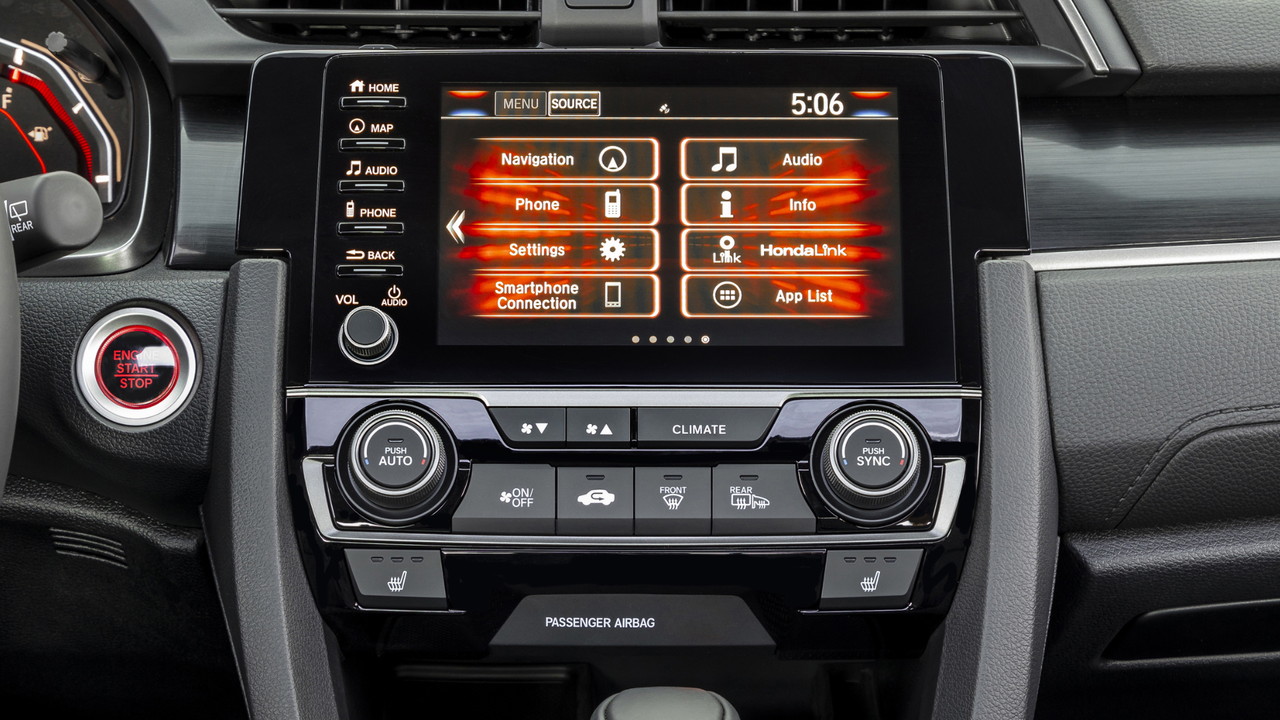
USB Flaw Threatens Honda Civic Infotainment Systems
The security of embedded systems continues to pose a significant challenge for the automotive and technology industries. A recent case has brought to light a critical vulnerability in the 2021 Honda Civic infotainment system. This flaw allows an attacker to 'jailbreak' the system simply via a USB connection, paving the way for the installation of unauthorized applications and potential malicious attacks. The discovery underscores the importance of rigorous security management throughout the software lifecycle, especially in devices that directly interact with users and their data.
Technical Details of the Vulnerability and 'EvilValet' Attacks
The mechanism behind this vulnerability is particularly concerning. Attackers can exploit public Android test keys, which were mistakenly left active in the infotainment system's firmware. These keys, intended for internal use during development, allow bypassing security controls and gaining elevated privileges on the device. Once access is obtained, unauthorized software can be installed. The reference to 'EvilValet' attacks suggests scenarios where a malicious user could, for example, access personal data stored in the system, monitor vehicle location, or even alter vehicle settings, compromising the owner's privacy and security. This type of attack highlights how even a single error in security key configuration can have significant repercussions.
Implications for Data Sovereignty and Infrastructural Control
While this vulnerability specifically concerns an automotive system, its implications resonate with broader concerns within the tech community, particularly for those involved in on-premise deployment of complex workloads such as Large Language Models (LLM). The presence of public test keys in a final product is a classic example of a weakness in the software supply chain. For companies evaluating self-hosted solutions for LLMs, control over the entire development and deployment pipeline becomes crucial. Ensuring there are no backdoors or exposed test credentials is fundamental for data sovereignty and maintaining complete control over the infrastructure. A compromised system, whether a car or an AI server, can lead to sensitive data loss, compliance breaches, and unforeseen operational costs, impacting the Total Cost of Ownership (TCO).
Lessons Learned for System Security
The 2021 Honda Civic case serves as a warning to all system developers and operators. Security is not an aspect to be considered only at the end of the development cycle but must be integrated into every phase, from design to production and maintenance. Cryptographic key management, code review, and penetration testing are essential practices to prevent similar vulnerabilities. For those operating in the AI sector, where data confidentiality and model integrity are paramount, attention to these details is even more critical. An organization's ability to maintain control over its technology stacks and protect its digital assets is directly proportional to the robustness of its security practices. This incident reinforces the argument for a methodical and proactive approach to security, regardless of the deployment context.






💬 Comments (0)
🔒 Log in or register to comment on articles.
No comments yet. Be the first to comment!