Wenite Secures €1.8 Million for European Expansion
Wenite, a Ghent-based HR tech startup, has announced it has raised €1.8 million in funding. The primary goal of this round is to accelerate the company's expansion across Europe and strengthen its position as an infrastructure provider for HR service firms. The funding includes €1.2 million in equity from Imec.iStart, along with a group of private investors from the HR sector.
The current landscape of HR services in Europe sees strategic consultants and organizational advisors playing a crucial role in supporting companies' people strategies. Approximately 60% of organizations rely on such providers. However, managing employee data, tracking wellbeing, and overseeing coaching or development programs often still depend on fragmented tools like spreadsheets, documents, and form-based surveys. This dispersion of information limits efficiency and makes it difficult to scale services or measure the impact of HR initiatives.
A Unified Platform for Data-Driven HR
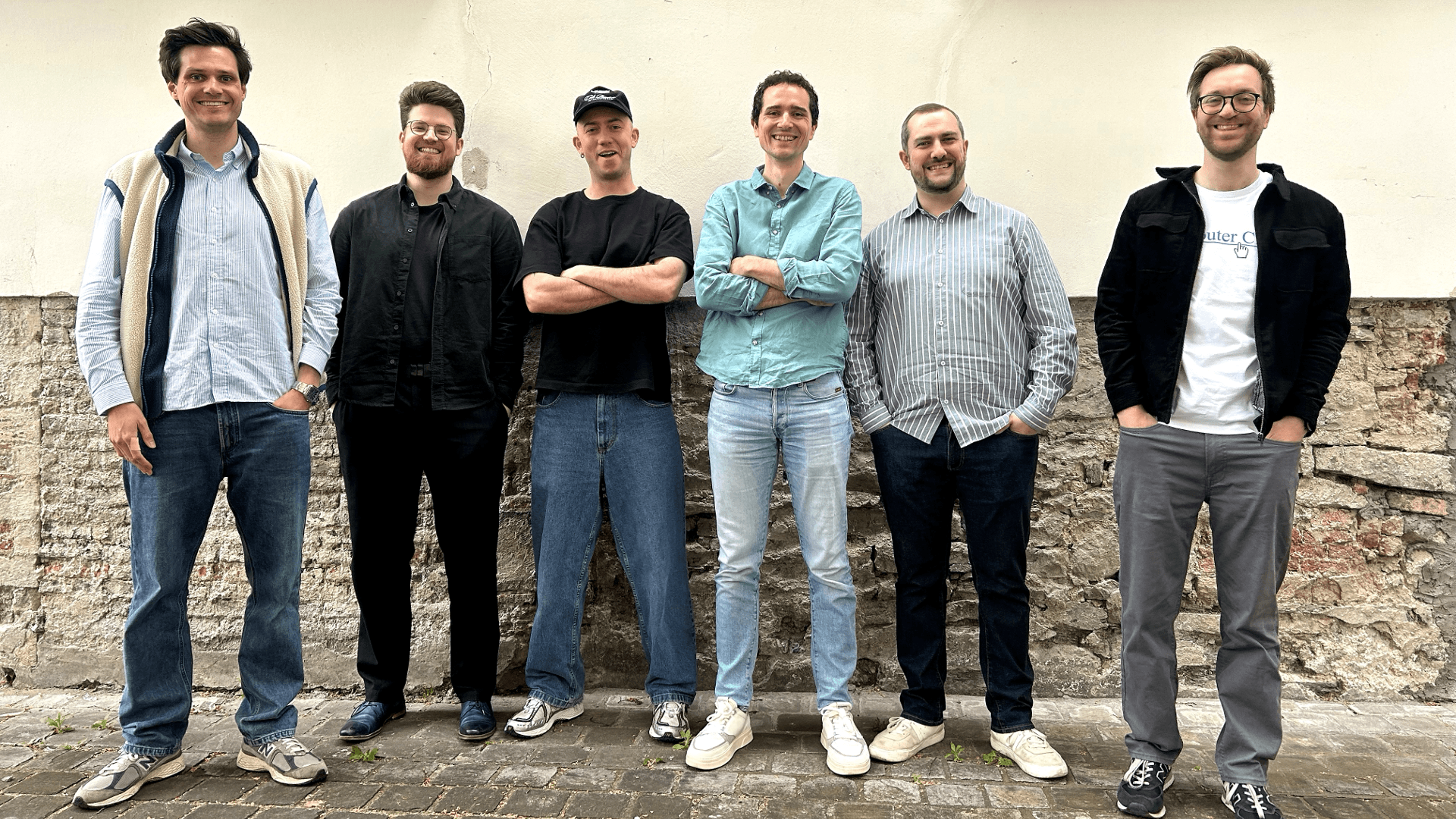
Founded in 2021 by Jasper Dezwaef, Emiel Cracco, and Robin Vannieuwenhuijse, Wenite was created to address these challenges. The platform provides HR consultants with a unified infrastructure to manage client relationships and employee data. It integrates tools for data collection, CRM, workflow management, and AI-driven analysis, allowing consultants to centralize insights and deliver measurable outcomes.
Through client-facing dashboards, end organizations gain visibility into progress and impact, enabling more data-driven decision-making. Jasper Dezwaef, CEO of Wenite, stated: "We want to become the backbone for European HR service providers looking to scale their business and make it data-driven." Wenite's approach focuses specifically on the needs of HR service providers, enabling them to automate processes such as surveys, reporting, and employee follow-up. By consolidating data into a continuous, evolving client record, the platform helps consultants improve efficiency while building longer-term client relationships.
Implications for Data Sovereignty and AI Deployment
The adoption of platforms that integrate AI-driven analysis for HR data management raises significant questions for technology decision-makers, particularly CTOs and infrastructure architects. Employee-related data is among the most sensitive an organization handles, making data sovereignty and regulatory compliance (such as GDPR) absolute priorities. When discussing "AI-driven analysis," it is crucial to consider where models reside, where Inference processes are executed, and how the data lifecycle is managed.
For companies evaluating solutions like Wenite, the choice between cloud, hybrid, or self-hosted deployment becomes critical. An on-premise or hybrid deployment can offer greater control over data residency and security, crucial aspects for maintaining compliance and trust. This approach allows organizations to directly manage the underlying infrastructure, including Inference hardware and storage, ensuring that sensitive data does not leave corporate boundaries. For those evaluating on-premise deployments, AI-RADAR offers analytical frameworks on /llm-onpremise to assess the trade-offs between costs, control, and performance.
Future Prospects and the HR Services Market
This investment marks a significant step in Wenite's ambition to build a scalable, data-driven foundation for HR services across Europe. The company intends to accelerate its commercial expansion, grow its team, and target a broader market of approximately 20,000 HR service providers. The trend towards more analytical and data-driven HR management is unstoppable, and tools that unify and automate these processes are increasingly in demand.
The success of platforms like Wenite will depend not only on their ability to provide advanced functionalities but also on their infrastructural robustness and their capacity to reassure clients about secure and compliant data management. For IT professionals, this means carefully evaluating proposed architectures, deployment requirements, and the long-term implications for Total Cost of Ownership (TCO) and data governance, especially in a context where AI plays an increasingly central role in the digital transformation of businesses.








💬 Comments (0)
🔒 Log in or register to comment on articles.
No comments yet. Be the first to comment!