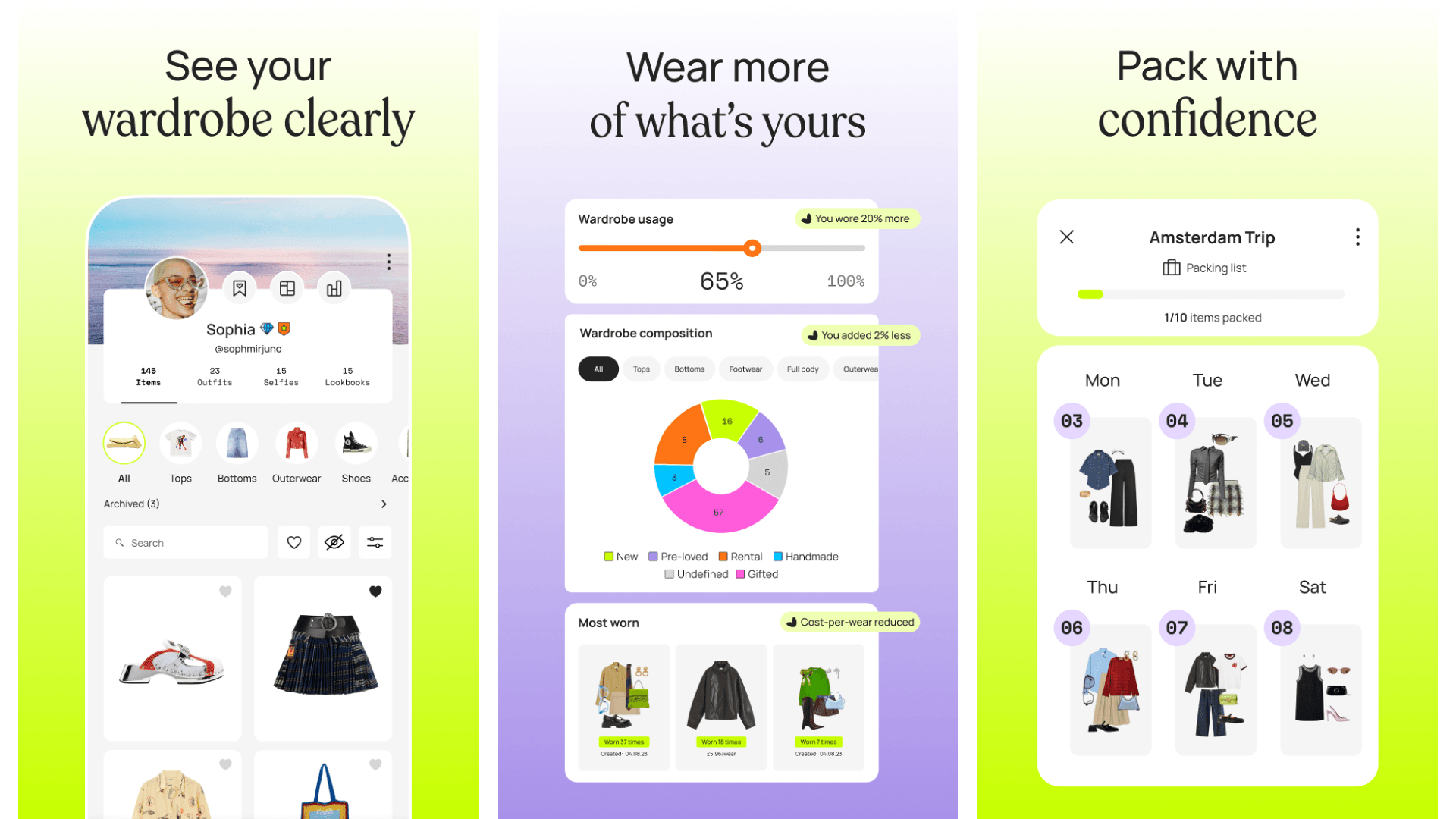
Seven million dollars, two backers with deep tech pedigrees, and a question nobody asked at the announcement: who will actually look at the photos of our wardrobe? Whering, the London-based startup that digitises closets, plans outfits and promotes circular consumption, has just closed a seed round led by eBay Ventures and Google AI Futures Fund, while reaching 10 million global users.
The funding will fuel AI features of a deeply personal nature: outfit recommendations based on weather, mood and occasion, image enhancement, gallery scanning to identify owned garments, and virtual try-on. CEO Bianca Rangecroft promises to assist users «not just when they get dressed in the morning, but every time they interact with clothes, whether buying, selling or styling.» The ambition is clear: become the hub for the entire lifecycle of personal fashion.
Here the story intersects with a theme dear to AI-RADAR readers. The data treasure Whering plans to tap for its recommendation models is exceptionally intimate: not just what people buy, but what they actually wear, what they pair it with and – according to Rangecroft – «how it makes them feel.» Body photographs, style preferences, moods tied to outfits. A goldmine of behavioral signals that, if processed in a cloud provider’s AI infrastructure, becomes a first-order digital sovereignty problem.
The structural question is not whether fashion AI is useful (it is), but where the inference runs that turns phone snaps into suggestions. Today, many consumer apps offload computation to remote servers, with variable costs and acceptable latency. But when the data includes personal photos and emotional annotations, cloud inference means shipping pieces of identity elsewhere. GDPR might tolerate it with the right consent flows, but user perception – and long-term trust – will hinge precisely on this architectural choice.
Platform builders face three intersections. The first is technological: on-device inference is now feasible on modern smartphones thanks to optimized models and aggressive quantization, but it demands dedicated frameworks and different update cycles than the cloud. The second is economic: cutting remote inference costs can improve TCO, provided one manages the complexity of deploying across heterogeneous devices. The third, thorniest, is positioning: claiming that computation stays on the device (edge inference) becomes a competitive asset against those who centralize data, especially in sensitive verticals like health, finance and, indeed, personal clothing.
The involvement of the Google AI Futures Fund does not resolve the tension. It makes it more compelling: a dominant cloud infrastructure provider is backing a startup that, to truly differentiate, might need to pull AI out of the cloud, at least partially. That same tension runs across the industry: innovation is pushed through centralized tools, yet value is generated by defending data proximity.
For those evaluating on-premise or edge deployments, stories like Whering signal that the consumer market is no longer a cloud-only stronghold. There are measurable trade-offs – latency, model updates, development overhead – but also a data-control advantage that regulations and user sensitivity are turning into a non-negotiable quality attribute.










💬 Comments (0)
🔒 Log in or register to comment on articles.
No comments yet. Be the first to comment!