
xAI potenzia l'infrastruttura con 19 nuove turbine a gas tra le polemiche
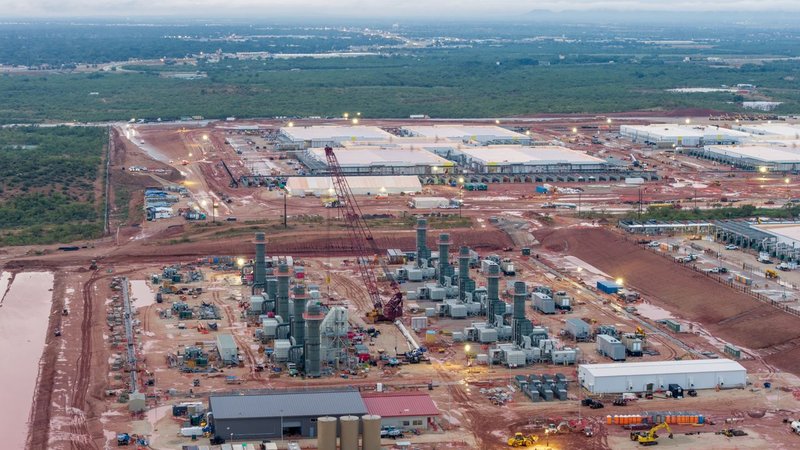
xAI, l'azienda di intelligenza artificiale fondata da Elon Musk, sta espandendo in modo significativo la propria capacità energetica presso il sito "Colossus 2". Secondo quanto emerso da alcune email, la società ha in programma di aggiungere 19 nuove turbine a gas portatili, una mossa che avviene in un contesto di crescente scrutinio e di una causa legale in corso relativa alla qualità dell'aria. Questa espansione sottolinea le immense esigenze energetiche che caratterizzano lo sviluppo e il deployment di Large Language Models (LLM) e altre applicazioni di intelligenza artificiale su larga scala.
La decisione di xAI di investire in infrastrutture di generazione energetica autonoma evidenzia le sfide intrinseche che le aziende devono affrontare quando optano per deployment on-premise. Garantire un'alimentazione elettrica stabile e sufficiente è un prerequisito fondamentale per operare data center ad alta densità, specialmente quelli dedicati all'addestramento e all'inference di modelli AI complessi, che richiedono un consumo energetico considerevole per alimentare cluster di GPU e altre componenti hardware specializzate.
La sfida energetica per l'AI on-premise
L'addestramento e l'inference di LLM e altri modelli di intelligenza artificiale sono processi notoriamente energivori. Le moderne GPU, essenziali per questi carichi di lavoro, consumano quantità significative di energia, e un cluster di migliaia di queste unità può richiedere decine o centinaia di megawatt. Per le aziende che scelgono un approccio self-hosted, la disponibilità di energia non è solo una questione di costi operativi, ma anche di fattibilità tecnica e di resilienza.
La scelta di installare turbine a gas portatili può rispondere a diverse esigenze: dalla necessità di flessibilità e rapidità di deployment in aree con infrastrutture di rete limitate, alla volontà di avere un maggiore controllo sulla propria alimentazione, riducendo la dipendenza dalla rete elettrica locale. Tuttavia, questa autonomia comporta anche la gestione diretta di aspetti come l'approvvigionamento del combustibile, la manutenzione e, come nel caso di xAI, le implicazioni ambientali e normative.
Implicazioni e trade-off infrastrutturali
L'aggiunta di 19 turbine a gas rappresenta un investimento infrastrutturale considerevole per xAI, con implicazioni dirette sul Total Cost of Ownership (TCO) dei suoi sistemi AI. Se da un lato la generazione autonoma può offrire vantaggi in termini di controllo e sovranità dei dati – aspetti cruciali per molte aziende che valutano deployment on-premise – dall'altro introduce nuove voci di costo legate al capitale (CapEx) per l'acquisto e l'installazione, e ai costi operativi (OpEx) per il carburante, la manutenzione e la conformità ambientale.
La causa legale in corso sulla qualità dell'aria sottolinea un trade-off critico: la ricerca di potenza computazionale per l'AI deve bilanciarsi con le responsabilità ambientali e le normative locali. Per le aziende che considerano l'espansione delle proprie capacità AI on-premise, la pianificazione dell'infrastruttura energetica non può prescindere da una valutazione approfondita dell'impatto ambientale, delle licenze necessarie e della sostenibilità a lungo termine. Questi fattori sono tanto importanti quanto le specifiche hardware, come la VRAM delle GPU o il throughput di rete.
Prospettive future e decisioni strategiche
La mossa di xAI riflette una tendenza più ampia nel settore dell'intelligenza artificiale, dove la corsa alla potenza computazionale spinge le aziende a esplorare soluzioni energetiche innovative e, talvolta, controverse. Le decisioni relative all'infrastruttura energetica sono strategiche e influenzano direttamente la capacità di un'azienda di innovare, scalare e mantenere la competitività nel panorama AI.
Per chi valuta deployment on-premise, esistono trade-off complessi che AI-RADAR analizza in dettaglio nella sezione /llm-onpremise. La scelta tra dipendere dalla rete elettrica o investire in soluzioni di generazione autonoma è un esempio lampante di come le considerazioni infrastrutturali possano avere un impatto profondo non solo sui costi, ma anche sulla flessibilità operativa, sulla conformità e sull'immagine aziendale. La vicenda di xAI serve da promemoria che l'era dell'AI richiede non solo algoritmi avanzati, ma anche una robusta e sostenibile base infrastrutturale.






💬 Commenti (0)
🔒 Accedi o registrati per commentare gli articoli.
Nessun commento ancora. Sii il primo a commentare!