
L'automazione della ricarica EV arriva nei garage domestici
Xiaomi ha recentemente presentato una soluzione innovativa per la ricarica dei veicoli elettrici (EV) in ambito residenziale: un braccio robotico progettato per operare all'interno dei garage domestici. Questo dispositivo mira a semplificare radicalmente l'esperienza di ricarica, eliminando la necessità di qualsiasi intervento manuale da parte del proprietario del veicolo. L'annuncio posiziona Xiaomi come un attore chiave nell'automazione domestica, portando sul mercato una tecnicia che era stata promessa da altri, come Tesla nel 2014, ma mai concretizzata.
Il sistema di Xiaomi rappresenta un passo significativo verso un futuro in cui le interazioni quotidiane con la tecnicia saranno sempre più fluide e autonome. La capacità di un dispositivo di gestire autonomamente un compito ripetitivo come la ricarica di un'auto elettrica non solo migliora la comodità per l'utente, ma apre anche nuove prospettive per l'integrazione dell'intelligenza artificiale e della robotica negli ambienti domestici, spingendo i confini del deployment di AI verso l'edge computing.
Funzionamento e implicazioni tecniche
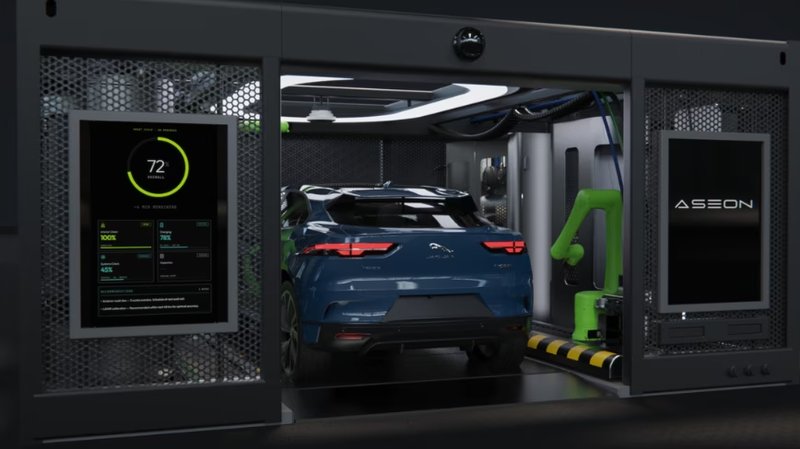
Il funzionamento del braccio robotico di Xiaomi si basa su una sequenza di azioni automatizzate. Una volta che il veicolo elettrico è parcheggiato nel garage, il sistema è in grado di rilevarne la posizione precisa. Successivamente, il braccio si estende autonomamente per raggiungere la porta di ricarica del veicolo, connettendo il cavo in modo sicuro. Al termine del processo di ricarica, o quando viene raggiunto un livello di batteria preimpostato, il braccio si ritrae, scollegando il cavo e riponendolo.
Questo tipo di automazione richiede un'infrastruttura di percezione e controllo sofisticata. Sebbene la fonte non specifichi i dettagli tecnici, è plausibile che il sistema impieghi sensori di visione (telecamere) e algoritmi di machine learning per la localizzazione del veicolo e la pianificazione del percorso del braccio. L'inference di questi modelli, necessaria per garantire precisione e sicurezza, deve avvenire con bassa latenza, suggerendo un'architettura di computing edge. Ciò implica che i modelli AI devono essere ottimizzati per operare su hardware a basso consumo energetico, spesso con tecniche di Quantization, direttamente sul dispositivo, senza dipendere da connessioni cloud costanti o ad alta larghezza di banda.
Il ruolo dell'AI edge nell'automazione domestica
L'implementazione di un braccio robotico per la ricarica EV è un esempio concreto di come l'intelligenza artificiale stia trovando applicazioni pratiche nell'ambiente domestico. La necessità di un funzionamento autonomo e in tempo reale spinge verso soluzioni di AI edge, dove l'elaborazione dei dati avviene localmente sul dispositivo. Questo approccio offre diversi vantaggi, tra cui una maggiore privacy dei dati, poiché le informazioni sul veicolo e sull'ambiente non devono essere necessariamente inviate al cloud, e una maggiore resilienza operativa in ambienti con connettività limitata.
Inoltre, il Deployment di modelli AI direttamente sull'hardware del dispositivo riduce la dipendenza dalla connettività di rete e minimizza la latenza, aspetti cruciali per applicazioni robotiche che richiedono risposte immediate. Per chi valuta Deployment di carichi di lavoro AI on-premise, l'esempio di Xiaomi sottolinea l'importanza di considerare l'ottimizzazione dei modelli per l'hardware specifico e le implicazioni in termini di TCO, che include non solo il costo iniziale dell'hardware ma anche il consumo energetico e la manutenzione di un sistema autonomo.
Prospettive future e sfide del deployment
L'introduzione di soluzioni come il braccio robotico di Xiaomi apre la strada a un'ulteriore integrazione della robotica e dell'AI nella vita quotidiana. Tuttavia, il Deployment su larga scala di tali sistemi comporta sfide significative. La robustezza e l'affidabilità del software e dell'hardware sono fondamentali, così come la sicurezza, per prevenire malfunzionamenti o accessi non autorizzati. La calibrazione e la manutenzione del sistema in ambienti domestici variabili rappresentano un altro aspetto critico.
Dal punto di vista dell'infrastruttura AI, questi dispositivi edge richiedono un'attenta progettazione dei Silicio e dei Framework software che consentano un'Inference efficiente e a basso consumo. La capacità di aggiornare i modelli AI in modo sicuro e affidabile, magari tramite meccanismi over-the-air, sarà essenziale per garantire la longevità e l'evoluzione di questi prodotti. L'iniziativa di Xiaomi dimostra come l'innovazione nel campo dell'automazione e della robotica stia progredendo rapidamente, con un focus crescente su soluzioni che portano l'intelligenza direttamente "sul campo", o in questo caso, nel garage di casa.







💬 Commenti (0)
🔒 Accedi o registrati per commentare gli articoli.
Nessun commento ancora. Sii il primo a commentare!