
YouTube Introduces Smart Ad Pausing for Livestreams
YouTube has announced a significant new feature for managing advertisements during livestreams. The platform will now automatically pause ads when its systems detect a peak in chat engagement. This change, communicated on Monday, aims to prioritize the collective viewer experience over real-time ad impressions.
The decision reflects a growing focus by streaming platforms on user experience quality, recognizing that moments of high engagement are crucial for maintaining audience attention. The introduction of this functionality is part of a broader suite of updates to live-streaming tools, which also includes personal ad-free windows for viewers who purchase specific services.
Artificial Intelligence at the Service of Engagement
Behind a seemingly simple feature like dynamic ad pausing lie complex artificial intelligence systems. To detect a "peak in chat engagement," YouTube must employ advanced Natural Language Processing (NLP) algorithms and sentiment analysis. These systems are capable of monitoring the message flow in real-time, identifying patterns, keywords, or rapid increases in activity that indicate a moment of particular interest or excitement among viewers.
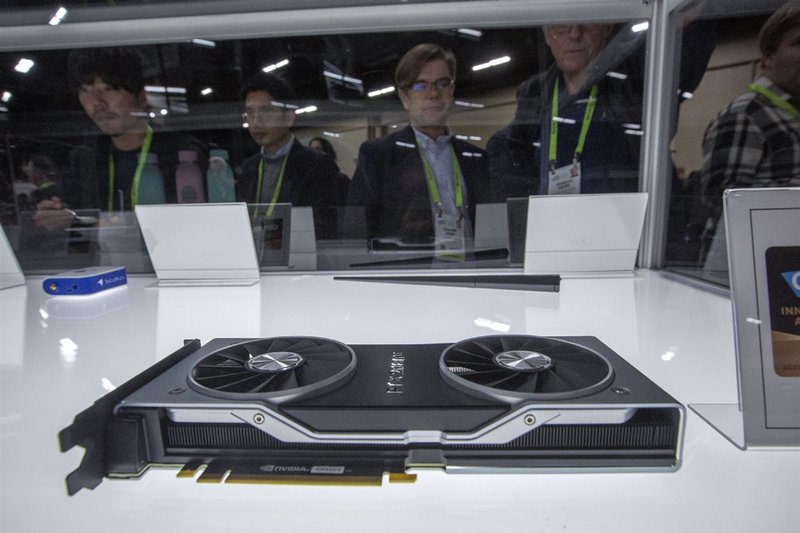
The inference of these models must occur with extremely low latency to be effective. This requires a robust computing infrastructure capable of handling high data throughput and rapidly executing Large Language Models (LLM) or other machine learning models. For those evaluating on-premise deployments, managing real-time AI workloads presents similar challenges, requiring careful planning of hardware resources, such as GPU VRAM and network capacity, to ensure adequate performance.
Balancing Monetization and User Experience: A Constant Trade-off
YouTube's choice to suspend ads at key moments highlights the delicate balance platforms must maintain between content monetization and safeguarding the user experience. Interrupting an ad potentially means foregoing immediate revenue, but with the goal of building audience loyalty and improving the overall perception of the platform. This trade-off is also common in corporate contexts where the implementation of AI solutions must balance the cost of deployment and maintenance (TCO) with the benefits in terms of efficiency or customer satisfaction.
Real-time data analysis to make operational decisions, such as pausing ads, requires not only sophisticated algorithms but also an efficient and resilient data pipeline. Companies considering the adoption of self-hosted AI solutions must carefully evaluate the necessary architecture for data acquisition, processing, and inference, especially in air-gapped environments or those with stringent data sovereignty requirements.
Future Prospects and the Importance of AI Infrastructure
The evolution of features on platforms like YouTube demonstrates how artificial intelligence is becoming increasingly integrated into daily interactions and service management. The ability to dynamically adapt the user experience based on real-time context is a trend we will see replicated across many sectors.
For organizations aiming to develop similar capabilities, infrastructure choice is paramount. Whether it's cloud, on-premise, or hybrid deployments, the need for high-performance hardware, such as GPUs with ample VRAM, and efficient software frameworks for LLM inference is essential. AI-RADAR offers analytical frameworks on /llm-onpremise to evaluate the trade-offs between different deployment strategies, helping decision-makers optimize TCO and ensure data sovereignty, crucial aspects for modern AI workloads.








💬 Comments (0)
🔒 Log in or register to comment on articles.
No comments yet. Be the first to comment!