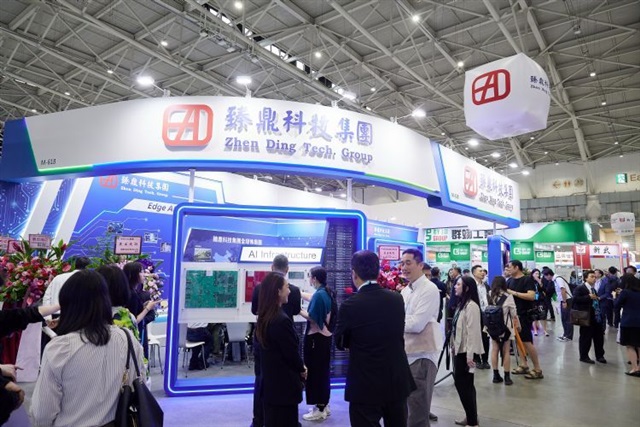
Zhen Ding Tech: vendite record per server e substrati IC spinti dalla domanda AI
La crescente domanda di infrastrutture per l'intelligenza artificiale sta spingendo il mercato dei componenti a livelli senza precedenti. Zhen Ding Tech, un attore chiave nel settore, ha registrato un'impennata nelle vendite di server e substrati IC, raggiungendo cifre record. Questo trend sottolinea la corsa globale alla costruzione di capacità computazionali dedicate agli LLM e ad altre applicazioni di AI.
L'espansione di Zhen Ding Tech nel segmento AI riflette una tendenza più ampia: le aziende stanno investendo massicciamente per dotarsi dell'hardware necessario a supportare carichi di lavoro sempre più complessi. La disponibilità di componenti critici è fondamentale per chiunque intenda implementare soluzioni di intelligenza artificiale, sia in ambienti cloud che, in misura crescente, on-premise.
Il Ruolo dei Componenti Critici nell'Ecosistema AI
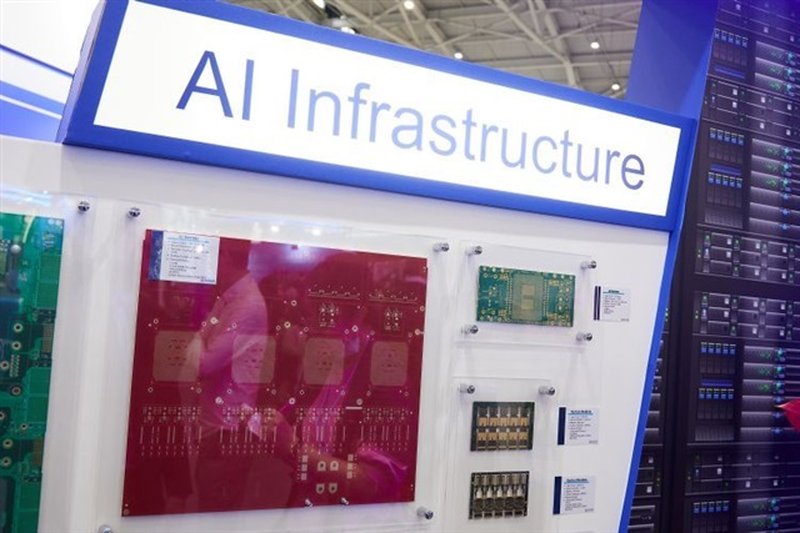
I substrati per circuiti integrati (IC substrates) rappresentano un elemento fondamentale nella produzione di chip ad alte prestazioni, inclusi quelli utilizzati per le GPU e gli acceleratori AI. Questi componenti fungono da base per il montaggio e l'interconnessione dei circuiti integrati, garantendo l'integrità del segnale e la dissipazione del calore, aspetti cruciali per le performance e l'affidabilità delle unità di elaborazione grafica (GPU) e dei processori dedicati all'AI. La loro crescente domanda è un indicatore diretto dell'aumento nella produzione di hardware AI.
Parallelamente, l'incremento delle vendite di server è un segnale inequivocabile della necessità di infrastrutture robuste. I server dedicati all'AI sono progettati per ospitare un gran numero di GPU, offrendo la potenza di calcolo e la VRAM necessarie per l'addestramento e l'inference di Large Language Models. La scelta di server con configurazioni specifiche, come quelli dotati di interconnessioni ad alta velocità come NVLink, è determinante per ottimizzare il throughput e ridurre la latenza nei carichi di lavoro AI più esigenti.
Implicazioni per il Deployment On-Premise
L'impennata nelle vendite di server e substrati IC ha ricadute significative per le organizzazioni che valutano il deployment di LLM in ambienti self-hosted. La disponibilità di questi componenti è un prerequisito per la costruzione di data center privati o per l'espansione di infrastrutture esistenti, consentendo alle aziende di mantenere il controllo completo sui propri dati e modelli. Questo approccio è spesso dettato da esigenze di sovranità dei dati, compliance normativa (come il GDPR) o dalla necessità di operare in ambienti air-gapped.
La decisione di investire in infrastrutture on-premise implica un'attenta analisi del TCO, che include non solo il CapEx iniziale per l'acquisto di hardware e componenti, ma anche i costi operativi legati all'energia, al raffreddamento e alla manutenzione. Per chi valuta deployment on-premise, AI-RADAR offre framework analitici su /llm-onpremise per valutare i trade-off tra costi, performance e controllo. La possibilità di acquisire direttamente i componenti necessari, come quelli forniti da aziende come Zhen Ding Tech, è un fattore abilitante per queste strategie.
Prospettive del Mercato e Sfide Future
Il successo di Zhen Ding Tech nel segmento AI evidenzia la continua espansione del mercato delle infrastrutture dedicate all'intelligenza artificiale. La domanda di potenza computazionale per l'addestramento e l'inference di LLM non mostra segni di rallentamento, spingendo i fornitori di hardware e componenti a intensificare la produzione e l'innovazione. Questo scenario crea opportunità ma anche sfide, in particolare per quanto riguarda la catena di approvvigionamento e la sostenibilità energetica.
Mentre le aziende cercano di bilanciare performance, costi e requisiti di sicurezza, la disponibilità di componenti affidabili e ad alte prestazioni rimane un fattore critico. Il mercato continuerà a evolversi, con un'attenzione crescente all'efficienza energetica e alla miniaturizzazione, elementi che influenzeranno direttamente lo sviluppo di nuovi substrati IC e architetture server per la prossima generazione di carichi di lavoro AI.






💬 Commenti (0)
🔒 Accedi o registrati per commentare gli articoli.
Nessun commento ancora. Sii il primo a commentare!