AI hardware demand fuels Asian factories as Iran war drives up costs
AI hardware industry propels Asian manufacturing growth, but Iran escalation raises energy bills and shipping times. A wake-up call for those planning on-premise deployments.
Severe shortages of HBM, NAND and DRAM, coupled with advanced packaging bottlenecks, are straining the global AI hardware ecosystem, driving up costs and lead times for accelerators and servers.
AI hardware industry propels Asian manufacturing growth, but Iran escalation raises energy bills and shipping times. A wake-up call for those planning on-premise deployments.
Surging demand for AI accelerators is soaking up assembly and test capacity, handing outsourced semiconductor assembly and test (OSAT) providers unusual pricing power. According to DIGITIMES, orders already fill through 2027. For organizations planni...
IC design firms are bracing for an uncertain peak season marked by rising prices. This market dynamic, highlighted by DIGITIMES, has direct implications for enterprises planning or managing self-hosted AI infrastructures, impacting the Total Cost of ...
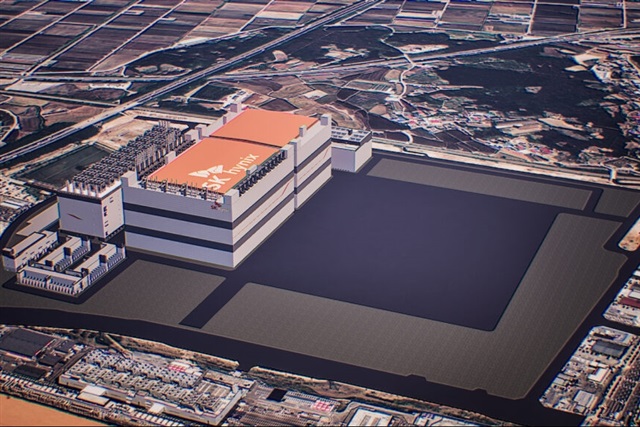
SK Hynix has announced a twelve-year acceleration for its Yongin fab, driven by the surging demand for High Bandwidth Memory (HBM). This move highlights the strain on critical memory production capacity for AI workloads, with significant implications...
Samsung and SK hynix, the world’s two largest memory chip makers, have committed over $550 billion to build new fabrication plants in South Korea. The move aims to prevent a feared ‘RAMageddon’ — a high-bandwidth memory supply crunch driven by explos...
The Foundry 2.0 market saw a 23% year-over-year revenue jump in Q1 2026, driven by AI chip demand, according to Counterpoint Research. For organizations evaluating on-premise LLM deployments, this signals both persistent supply-chain pressure and the...
Wistron ramps up North American production to meet demand for AI-dedicated servers. The move mirrors the global race for compute power and has direct implications for those validating on-premise architectures, balancing data sovereignty and supply ch...
Investors are eyeing Micron as a potential star in the AI boom, betting on high-bandwidth memory that powers GPUs and accelerators. For companies evaluating on-premise infrastructure, the availability and cost of this technology become critical varia...
At ISC 2026, a Lenovo executive declared that 'RAMageddon' – the memory crisis – is the new normal and that things will never be like last year. The company outlined a survival guide for organizations planning on-premise AI infrastructure. AI-RADAR’s...
Surging demand for AI accelerators is congesting air and sea freight, driving up shipping rates. For enterprises building on-premise LLM deployments, the logistics squeeze complicates TCO calculations and spells potential delays in server and cluster...
JCET’s $1.1 billion expansion in advanced packaging shows China's strategy to bypass semiconductor restrictions and secure AI accelerator supply. It signals that for the on-premise market, the real battle is shifting to chiplet integration and high-b...
Malaysian customs seized 72 server units declared as ordinary computer parts. Hidden inside were advanced AI chips worth nearly $13 million, bound for re-export. The case highlights mounting pressure on the global AI hardware supply chain.
Memory shortages are tightening supply chains, and for Apple waiting is no longer viable. With M-series chips and growing AI ambitions, access to advanced memory is critical. Postponing investments means losing ground to competitors. For those design...
The South Korean manufacturer is adding 300mm wafer capacity to meet AI chip demand. For those building on-prem infrastructure, more wafers mean more GPUs, fewer bottlenecks, and a tangible signal of sustained sector growth.
Taiwan's electronics manufacturing output surged 93% in the first five months of 2026, fueled by insatiable demand for AI hardware. The jump reshapes global supply chains and carries direct consequences for organizations eyeing on-premise LLM deploym...
The Taiwanese semiconductor testing firm is boosting AI-dedicated capacity as demand keeps facilities full. This highlights pressure on hardware supply chains and has direct implications for on-premise infrastructure planning: chip availability, lead...
The memory and storage maker is in talks with the Thai government to position the country as a hub for AI infrastructure. A move that could influence the hardware supply chain for on-premise deployments.
ASE Technology Holding warns that AI chip demand will keep advanced packaging lines under pressure through the end of the decade. This bottleneck impacts hardware availability and cost for organizations planning on-premise deployment of large languag...
Micron Technology says the memory shortage for AI workloads will persist past 2027, and it has already secured customer deals worth $100 billion. The crunch, especially for HBM memory, is reshaping data center expansion plans and on-premise infrastru...
Micron launches a multi-billion buyback as the tech industry grapples with high-bandwidth memory shortages—a signal that the AI race hinges on ever more data-hungry chips.
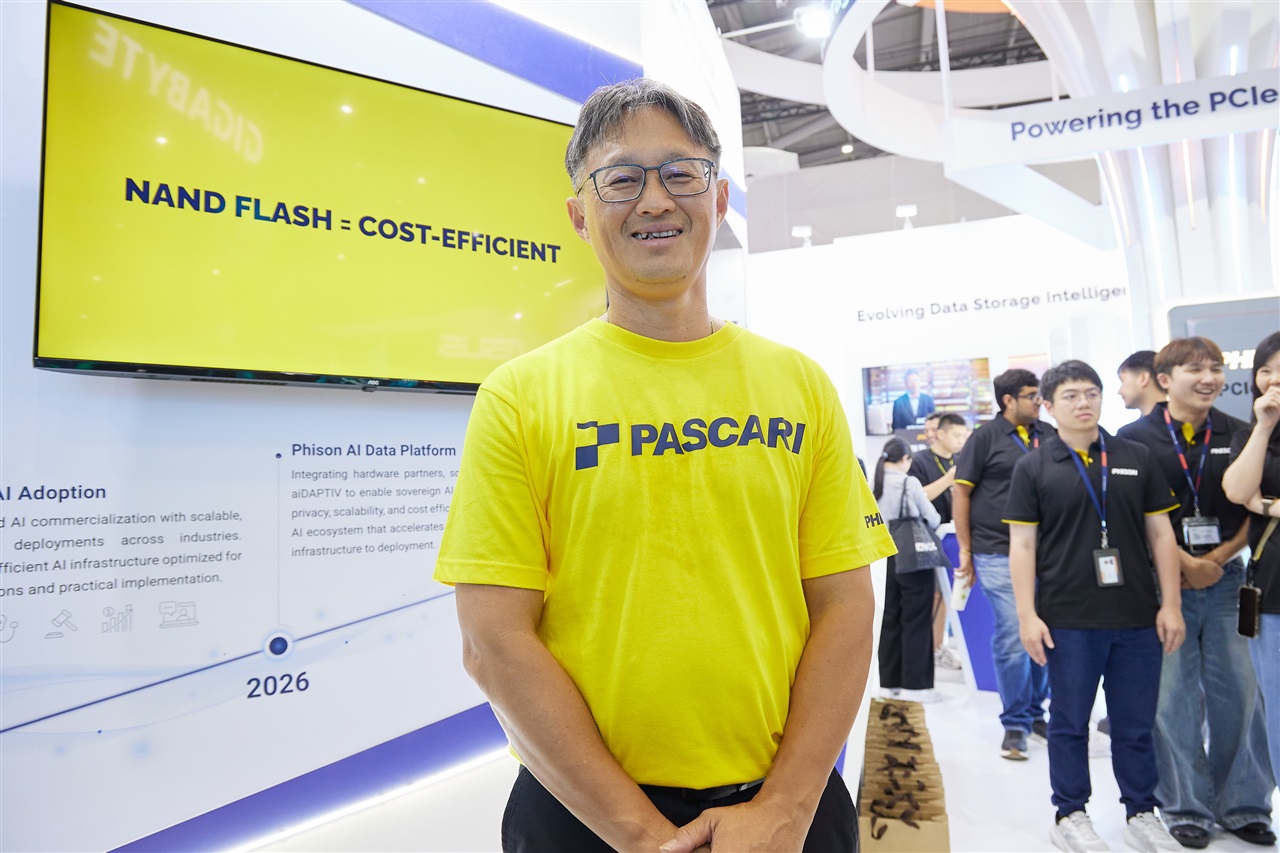
Flash memory controller maker Phison sees no end to the NAND shortage, with orders already booked into Q2 2027. The tight supply forces enterprises running on-premise AI infrastructure to rethink storage planning and costs.
TSMC has reportedly raised prices for all advanced nodes, which account for 74% of its wafer business. Nvidia, AMD, Apple, and Qualcomm will face higher wafer costs, likely impacting the pricing of GPUs and AI accelerators. For on-premise AI deployme...