Sanctions on open source AI: hope they don’t do anything stupid
A Reddit post reignites the debate: technology sanctions could hit open source AI models, with unpredictable consequences for the ecosystem and for on-premise deployments.
Escalating US-China tensions over chip exports, manufacturing sovereignty, and data-center construction are reshaping the global AI supply chain and investment strategies.
A Reddit post reignites the debate: technology sanctions could hit open source AI models, with unpredictable consequences for the ecosystem and for on-premise deployments.
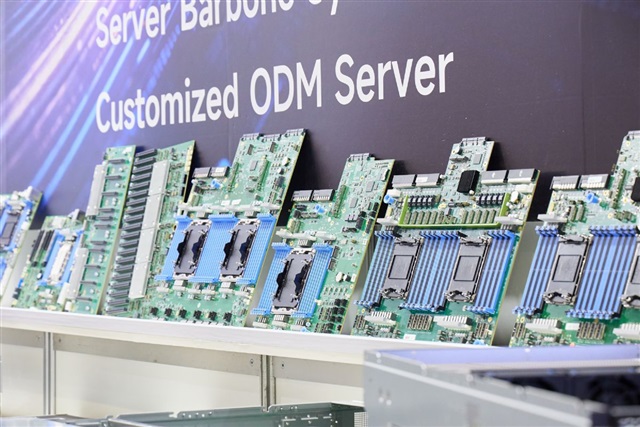
Shipments of standalone Grace servers mark a strategic shift: the CPU becomes the core in agentic data centers. AI-RADAR analysis on what it means for data sovereignty and on-premise deployments.
The Trump administration is reportedly considering banning Chinese AI models after the Kimi K3 launch, but downloadable open weights make an outright ban nearly unenforceable. We analyze why such a prohibition would backfire and the structural conseq...
A report indicates that power companies can expropriate private land to build transmission lines for new AI data centers using eminent domain laws. The move shortens timelines but raises land sovereignty conflicts and pushes companies to rethink on-p...
The Trump administration is reportedly reviving efforts to impose de facto bans on foreign open-source models as Chinese LLMs gain momentum. The move threatens to fragment the AI ecosystem, driving enterprises toward air-gapped on-premise deployments...
CuspAI launched the AI Materials Foundry, backed by Nvidia, Meta, Samsung, and over 45 others. The mission is to invent non-existent materials, but the deeper signal is a structural shift toward on-premise infrastructure and data sovereignty for high...
Seoul aims for 10,000 Nvidia GPUs for frontier AI, but Nvidia says its Rubin CPX systems aren’t expected until end‑2026. The plan bets on hardware that isn’t yet widely available, exposing real risks around delays and sole‑supplier dependency.
More than 140 coordinated rallies across 42 US states marked the first national day of action against mega-facilities for artificial intelligence. From noise to land use, grassroots pressure is rewriting the calculus for anyone evaluating where to ru...
CXMT's IPO marks a milestone for China's semiconductor self-sufficiency, but three hurdles—a technology gap, US export controls, and patent risks—keep advanced AI memory out of reach. For on-premise LLM deployments, supply chain diversification remai...
The SK Group chairman warns that memory chip production has become a strategic asset for national security. With the supply chain concentrated in a handful of countries, the entire AI infrastructure is vulnerable, pushing governments and enterprises ...
The AI infrastructure surge is straining electronics supply chains. Lead times for PCBs and passive components are stretching structurally, creating ripple effects for on-premise hardware builders.
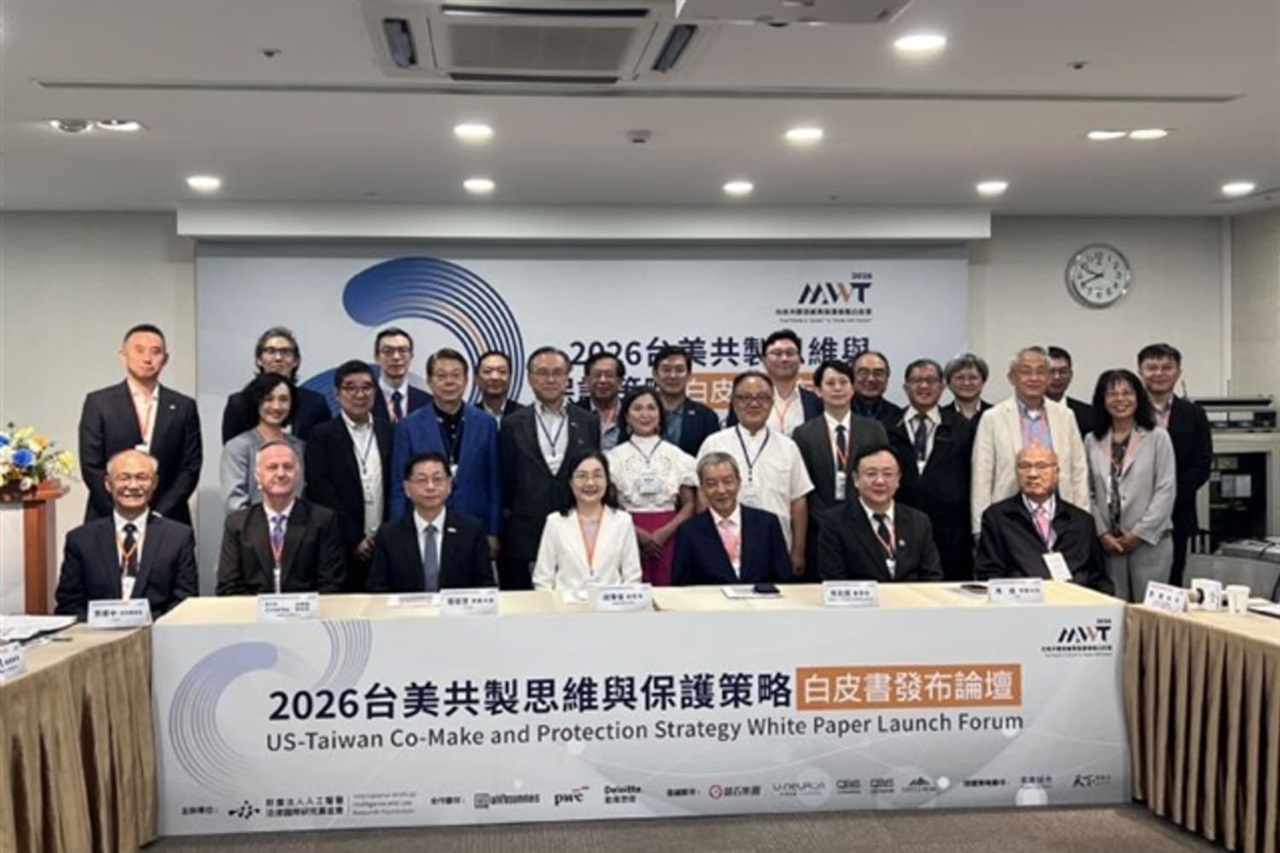
As chip investments boom, a white paper formalizes Taiwan-US collaboration on semiconductor manufacturing. This move eases production bottlenecks and opens concrete scenarios for those looking to bring LLM inference and training into their own data c...
The chronic GPU shortage is now biting the hand that makes them. Nvidia is facing a paradox: its internal demand for research and cloud services clashes with the need to supply customers. A signal that is reshaping the power balance in the AI supply ...
Beijing's answer to export controls takes shape as system-level architectures that pool less advanced chips—a paradigm shift with global consequences for on-premise infrastructure design.