
Intel shares down 13% despite shrinking losses
Intel reports flat revenue for 2025, but shares plummet due to a $300 million loss, despite a massive external investment. Demand is expected to outpace supply until at least 2026.
The daily radar on models, frameworks, and hardware to run AI locally. LLMs, LangChain, Chroma, mini-PCs, and everything you need for a distributed "in-house" brain.
AI-generated articles from feeds, with space for human editorial layer above the raw content.
Intel reports flat revenue for 2025, but shares plummet due to a $300 million loss, despite a massive external investment. Demand is expected to outpace supply until at least 2026.
DeepSeek has released V3.2, an open-source model that reportedly matches GPT-5 on math reasoning while costing 10x less to run. By using a new 'Sparse Attention' architecture, the Chinese lab has achieved frontier-class performance for a total training cost of just ~$5.5 millionโcompared to the $100M+ spent by US tech giants.
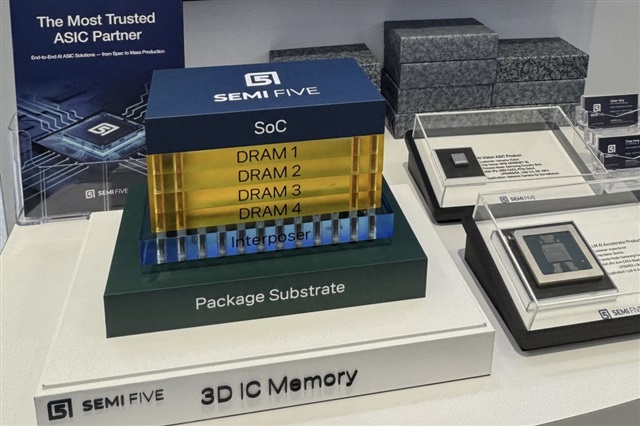
Intel's shares plummeted 13% following the release of its latest earnings report. Despite improved results compared to previous losses and significant external investments, the company anticipates supply constraints in Q1 2026. While management stabilized the company in 2025, forecasts indicate new challenges ahead.
The integration of the OpenAI Responses API into Llama.cpp is now a reality. This news, welcomed by the community, promises to simplify interaction with language models and open new possibilities in the development of AI-based applications. Initial tests highlight significant improvements in exploring large codebases.
Kinpo Group anticipates increased profitability by 2026, while accelerating its expansion in artificial intelligence and the transformation of its ODM (Original Design Manufacturing) model. The company aims to consolidate its position in the global market through strategic investments and technological innovation.

A version of the GLM4.7-Flash model, called REAP, optimized for agentic coding has been released. Initial tests indicate a significant improvement over previous versions, positioning it among the most efficient models in relation to size. REAP versions specifically for creative writing are being evaluated, in response to user feedback.
Foxconn Industrial Internet (FII) is accelerating its AI-driven transformation to reshape its global manufacturing platform. The company aims to enhance production processes through the integration of artificial intelligence solutions, making them more efficient and adaptable. This initiative highlights the increasing importance of AI in the manufacturing sector to optimize operations and respond quickly to changing market demands.
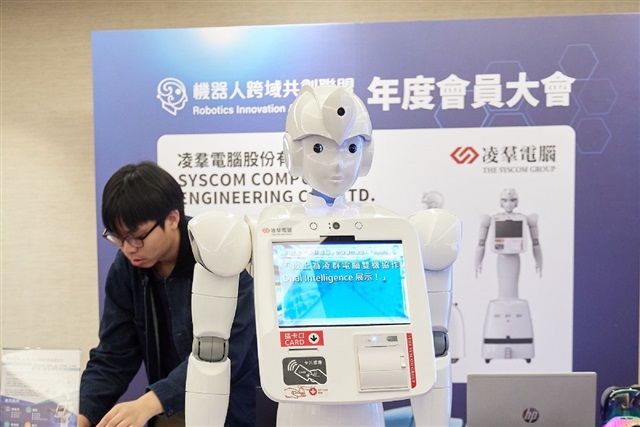
Taiwan's automotive industry shows signs of recovery after recent tariff negotiations. A DIGITIMES analysis reveals a 15% improvement, while highlighting the need for further reassurance for sustainable growth in the sector.
Taiwan's technology sector is pressuring the local government to increase the supply of green energy and reduce its costs. Taiwanese tech companies, increasingly focused on sustainability, are calling for a greener energy supply and competitive tariffs to maintain the country's competitiveness.
A Chinese industry group reports that the country is rapidly moving from conceptualization to deployment of space-based artificial intelligence systems. This strategic move could have significant implications for China's technological and military capabilities, opening new frontiers in space exploration and monitoring.
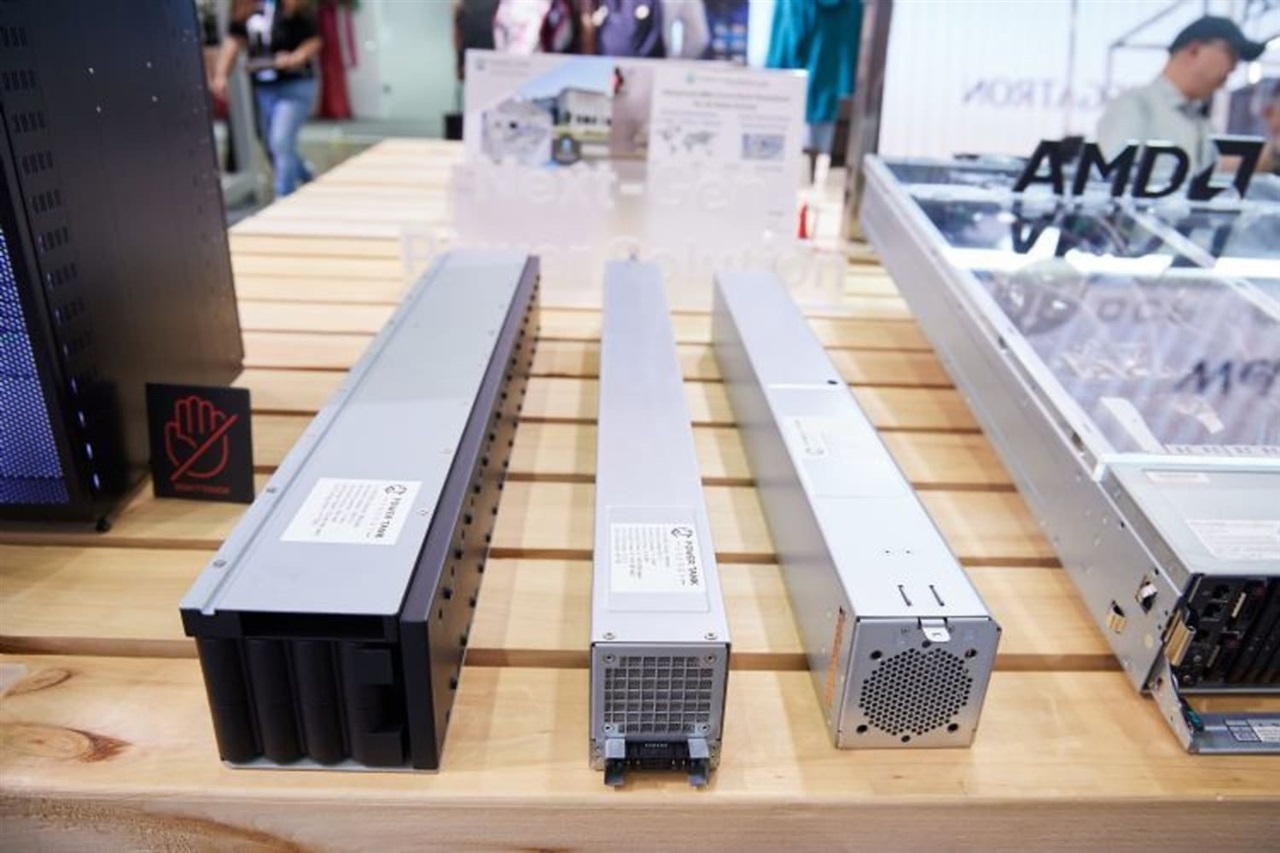
AcBel has announced the launch of 1MW HVDC (High Voltage Direct Current) power supplies, signaling a strategic shift toward AI data centers as a core growth engine. The decision reflects the increasing demand for efficient power solutions for AI infrastructures.
Agileday, a Finland-based technology company developing an operating platform for professional services, has closed a โฌ6.4 million Series A funding round. The investment, led by Newion, will allow the company to scale its technology platform and accelerate growth across Europe and North America. Agiledayโs platform integrates talent management, resource allocation, and financial data, aiming to improve the operational efficiency of companies.
The increasing adoption of artificial intelligence and the expansion of the automotive sector are fueling strong demand for quartz frequency components. These elements are essential in numerous applications, from consumer electronic devices to advanced communication systems, and their role is destined to grow further with technological evolution.
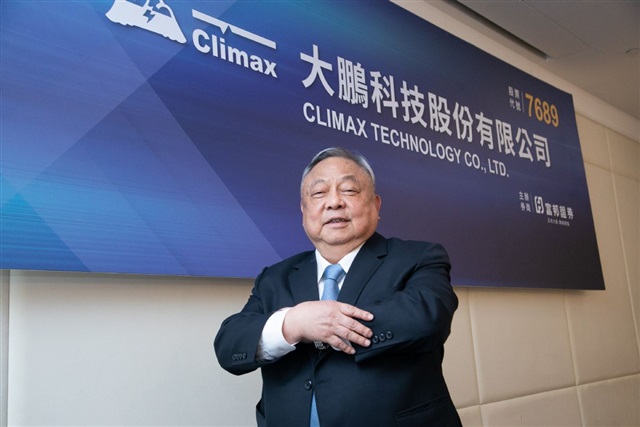
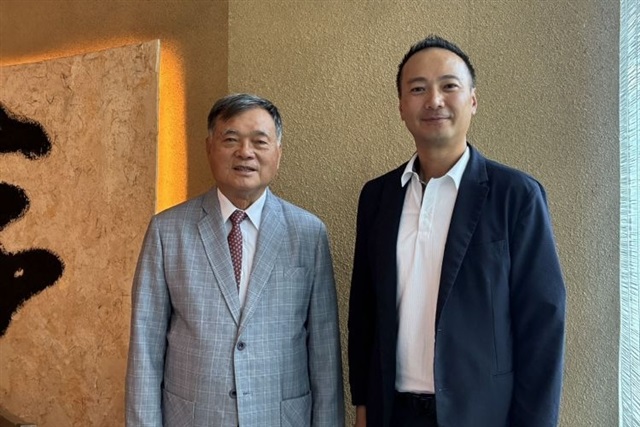
The chairman of Compal celebrated his 50th anniversary with the Kinpo Group. The event takes place during a moment of reflection on the demographic challenges facing Taiwan and the strategies to ensure sustainable long-term growth. The Compal group is a key player in the Taiwanese technology sector.
A new tariff agreement between Taiwan and the United States is expected to significantly boost Taiwan's machine tool industry. The agreement is projected to reshape global market dynamics, fostering growth and expansion in the sector. The deal could lead to new business opportunities and increased competitiveness for Taiwanese companies.
Micron is preparing to start commercial production at its ATMP plant in Gujarat, marking a major milestone for India in the semiconductor sector. This development represents a significant step for India, which aims to become a key hub in global chip manufacturing, reducing dependence on imports and stimulating domestic economic growth.
OpenAI is reportedly considering an outcome-based pricing model, potentially applying royalties on customer profits. This strategic shift could drive adoption of local solutions, offering greater control over costs and terms of use.
Taiwanese manufacturer Compal anticipates strong expansion in the AI server market starting in 2026, following a period of revenue decline. The company is investing in new technologies and production capabilities to meet the growing demand for AI solutions, aiming to become a key player in this rapidly evolving sector. A significant increase in demand for high-performance servers for machine learning and deep learning applications is expected.
Lite-On Technology has launched a public bid for U-Media. The operation aims to strengthen Lite-On's position in the artificial intelligence (AI) and 5G sectors, accelerating its growth in these strategic markets. The acquisition of U-Media would allow Lite-On to expand its technological capabilities and product offerings.
AfriEconQA, a benchmark dataset for African economic analysis based on World Bank reports, has been introduced. Comprising nearly 9,000 QA instances, the dataset aims to evaluate Information Retrieval and RAG systems in a context of numerical reasoning and temporal disambiguation. Initial results highlight significant knowledge gaps in zero-shot models and advanced RAG pipelines.
A novel decoding method for large language models (LLMs), called Entropy-Tree, leverages entropy to guide tree-based exploration. This approach aims to improve both accuracy and reliability in reasoning tasks, outperforming traditional sampling strategies. Entropy-Tree unifies efficient structured exploration and reliable uncertainty estimation within a single decoding procedure.
New research highlights how the quality of LLM responses is affected by the language used in the query. Low-resource languages receive lower quality answers. The study also reveals that the choice of language significantly impacts the cultural context used by the model, influencing the quality of the final answer.
A novel framework, ELILLM, leverages Large Language Models (LLMs) for structure-based drug design (SBDD). ELILLM addresses LLMs' limitations in interpreting protein structures and unpredictable molecular generation by reinterpreting the generation process as encoding, latent space exploration, and decoding. Bayesian optimization guides the systematic exploration of latent embeddings, enhancing binding affinity and chemical validity.
New research highlights how large language models (LLMs) integrated into hospital triage systems may exhibit hidden biases against patients from diverse racial, social, and economic backgrounds. The study uses proxy variables to assess the discriminatory behavior of LLMs and emphasizes the need for more responsible deployment of artificial intelligence in clinical settings.
A novel approach called Gated Sparse Attention (GSA) promises to improve both computational efficiency and training stability for long-context language models. GSA combines sparse attention mechanisms with gating techniques, achieving significant speed and quality gains, while reducing issues related to attention sinks.
Taiwan-based Delta Electronics is redefining value in the tech sector. With artificial intelligence demanding ever-increasing power, the company is positioning itself as a key supplier for the development of this technology. Delta's innovative approach focuses on optimizing energy efficiency to support the growing computational needs of AI.
Despite trade tensions with the US and resulting tariffs, China and Vietnam remain central to Taiwanese companies' manufacturing strategies. These countries continue to be attractive hubs for manufacturing investments, thanks to established infrastructure and competitive costs.
Thailand has announced ambitious plans to transform itself into a regional technology hub. The initiative includes significant investments, estimated at US$3.1 billion, for the construction of data centers and the development of a roadmap for chip production by 2050. The goal is to attract foreign investment and stimulate the growth of the domestic technology sector.
Financing details of the Taiwan-US semiconductor agreement raise interpretive questions with broad industrial implications. The article analyzes the challenges and potential consequences of this agreement for the global technology sector. It discusses the strategic importance of chip manufacturing and the geopolitical implications of international collaborations.
Anthropic has seen strong interest in its latest funding round, exceeding expectations. At the same time, the company's revenue projections are increasing, despite pressure on margins. This success reflects investor confidence in Anthropic's strategy and growth potential in the artificial intelligence sector.
Tata Group will invest $11 billion in Maharashtra's Innovation City, India. The aim is to strengthen the country's ambitions in artificial intelligence and semiconductors, strategic sectors for Indian and global technological growth. The initiative is expected to create new job opportunities and stimulate technological innovation.
E Ink Holdings is advancing electronic shelf labels (ESL) amid the global growth of the smart retail sector. This strategic move aims to meet the increasing demand for more efficient and dynamic price management solutions in retail stores, offering retailers the ability to update prices in real time and improve the customer experience.
The American Institute in Taiwan (AIT) has pledged US backing for Taiwan's asymmetric warfare strategy and its defense supply chain. The AIT emphasized the importance of Taiwan's freedom and security, reiterating the US commitment to support the island.
James Yu, Palo Alto Networks' country manager in Taiwan, emphasizes the need to combat AI-driven threats with AI-powered security solutions. The company anticipates a rise in sophisticated attacks and recommends a proactive approach to protect digital infrastructures.
According to industry sources, TSMC and Samsung are reducing their 8-inch wafer production capacity. Despite this reduction, the market continues to be characterized by an oversupply, indicating still weak demand in some key electronics sectors. The move by the two giants could foreshadow further adjustments in the semiconductor industry.
ASML is at the forefront of the chip manufacturing equipment sector, driving innovation in advanced packaging. The Dutch company is a key supplier to semiconductor manufacturers worldwide, playing a crucial role in the development of increasingly sophisticated technologies.
Blockit, a startup using AI agents to manage calendars and schedule appointments, has raised $5 million in seed funding led by Sequoia. The goal is to automate scheduling, reducing the time needed to coordinate commitments.
Taiwanese companies are maintaining a cautious attitude towards artificial intelligence, despite the great enthusiasm surrounding this sector. Doubts persist about the sustainability of growth and the real long-term impact of these technologies, curbing bolder investments.
According to Digitimes, RDIMM spot prices have blown past US$2,000, raising speculation about a possible 80% memory increase by Samsung. This surge in prices could have a significant impact on the memory market and costs for consumers.
Google research reveals that multi-agent debate within AI models enhances reasoning capabilities, surpassing the limitations of sheer computing power. This innovative approach opens new perspectives in the development of more sophisticated AI systems capable of tackling complex problems more effectively.
New optimizations for AMD Radeon RDNA4 graphics cards have been merged into the RadeonSI Gallium3D (OpenGL) driver within Mesa. These deliveries, arriving shortly after the Mesa 26.0 release, will be included in Mesa 26.1, expected in Q2. The focus is on enhancing OpenGL performance on RDNA4 GPUs.
Unsloth announced an improvement in embedding finetuning speed, with increases of 1.8-3.3x and a 20% reduction in VRAM usage. The new feature supports larger contexts and promises no accuracy loss. It requires only 3GB of VRAM for 4bit QLoRA and 6GB for 16bit LoRA. Several models are supported, including ModernBERT, Qwen Embedding, and Embedding Gemma.
OpenAI has appointed Barret Zoph to lead its push into the enterprise sector. The move comes just a week after Zoph rejoined the company, signaling OpenAI's strong interest in this market segment. The goal is to compete with the major players in the cloud industry, offering AI-powered solutions for businesses.
Lip-Bu Tan is facing a crucial phase for Intel, marked by unprecedented challenges in the context of artificial intelligence. His leadership will be decisive in overcoming obstacles and guiding the company towards new opportunities for growth and innovation in a rapidly evolving market.
Solum Advanced Materials has announced the development of ultrathin stainless steel foils specifically designed for use in all-solid-state batteries. This advancement could lead to safer and more performant batteries for electric vehicles and other applications.
Taiwanese manufacturer Phison Electronics is leveraging the NAND memory shortage to expand its presence in the US server market. The company specializes in storage solutions and flash memories, and aims to establish itself as a key supplier for American data centers.
BizLink's decision to expand production in Malaysia highlights a shift in the dynamics of global supply chains. This strategic move reflects a broader trend among companies to diversify their production locations to mitigate geopolitical risks and optimize costs. BizLink's initiative could influence other companies in the sector to consider Malaysia as an alternative production hub.
Chunghwa Telecom is partnering with SES to build North Asia's first O3b MEO ground station in Taiwan. This infrastructure will support next-generation satellite communications, improving connectivity and reducing latency for enterprise and government applications in the region.
Taiwan's air cargo volume is projected to reach a historic peak in 2026, driven primarily by chip exports and artificial intelligence. The island is solidifying its position as a crucial hub for air transport of high-value technology goods.
A Reddit user expresses frustration with the proliferation of AI apps and tools that seem to replicate existing functionalities, often less efficiently. The reflection raises questions about the actual progress and resource allocation in the current artificial intelligence landscape, dominated by expensive subscriptions and imperfect clones.
The cURL project, a popular open-source networking tool, has decided to discontinue its bug bounty program. The decision was made due to the overwhelming number of low-quality reports, often automatically generated by artificial intelligence systems, which place an excessive burden on the development team. cURL's engineers emphasize the need to protect their mental health in the face of this problem.
LiveKit, a voice AI engine and OpenAI partner, has reached a valuation of $1 billion. This milestone was achieved through a $100 million funding round led by Index Ventures. The company, founded five years ago, is positioning itself as a key player in the voice AI sector.
Inference startup Inferact has secured $150 million in funding. This investment round values the newly formed company at $800 million. The primary goal is the commercialization of vLLM technology.
An analysis by GPTZero reveals that numerous studies presented at the NeurIPS conference contain citations generated by artificial intelligence. This raises concerns about the reliability of scientific research when using AI tools without proper verification.
The $150 million funding for vLLM (Inferact) signals a shift in priorities in the AI sector. After years of massive investments in model training, the focus is now on inference, particularly on efficiency, latency, and throughput. The competition will focus on software optimization and hardware compatibility, with a focus on reducing latency and cold start times.
New research assesses how leading AI models perform on actual white-collar work tasks, drawn from consulting, investment banking, and law. The results show that most models failed to complete the tasks effectively, raising doubts about their current readiness for workplace integration.
Apple is reportedly developing a wearable device with artificial intelligence capabilities. The device, similar in size to an AirTag, would be worn as a pin. The launch could happen as early as 2027. It remains to be seen whether the device will be standalone or rely on an iPhone for processing.
Daniel Han from Unsloth announced support for finetuning embedding models with Unsloth and Sentence Transformers. It promises faster speeds (up to 3.3x) and lower VRAM usage (up to 20%). Example notebooks are available for RAG and semantic similarity tasks. The new version also supports Transformers v5.
A vulnerability in the Linux kernel's Direct Rendering Manager (DRM) driver allowed unprivileged users to exhaust kernel memory. The flaw has been fixed to prevent system crashes due to out-of-memory errors.
Feast, the open-source platform for managing data in AI, integrates with PyTorch. The goal is to resolve inconsistencies between training and production data, accelerating the release of accurate and reliable models. The integration enables feature sharing across teams and advanced governance.
AI-Radar is an independent observatory covering AI models, local LLMs, on-premise deployments, hardware, and emerging trends. We provide daily analysis and editorial coverage for developers, engineers, and organizations exploring local AI solutions.