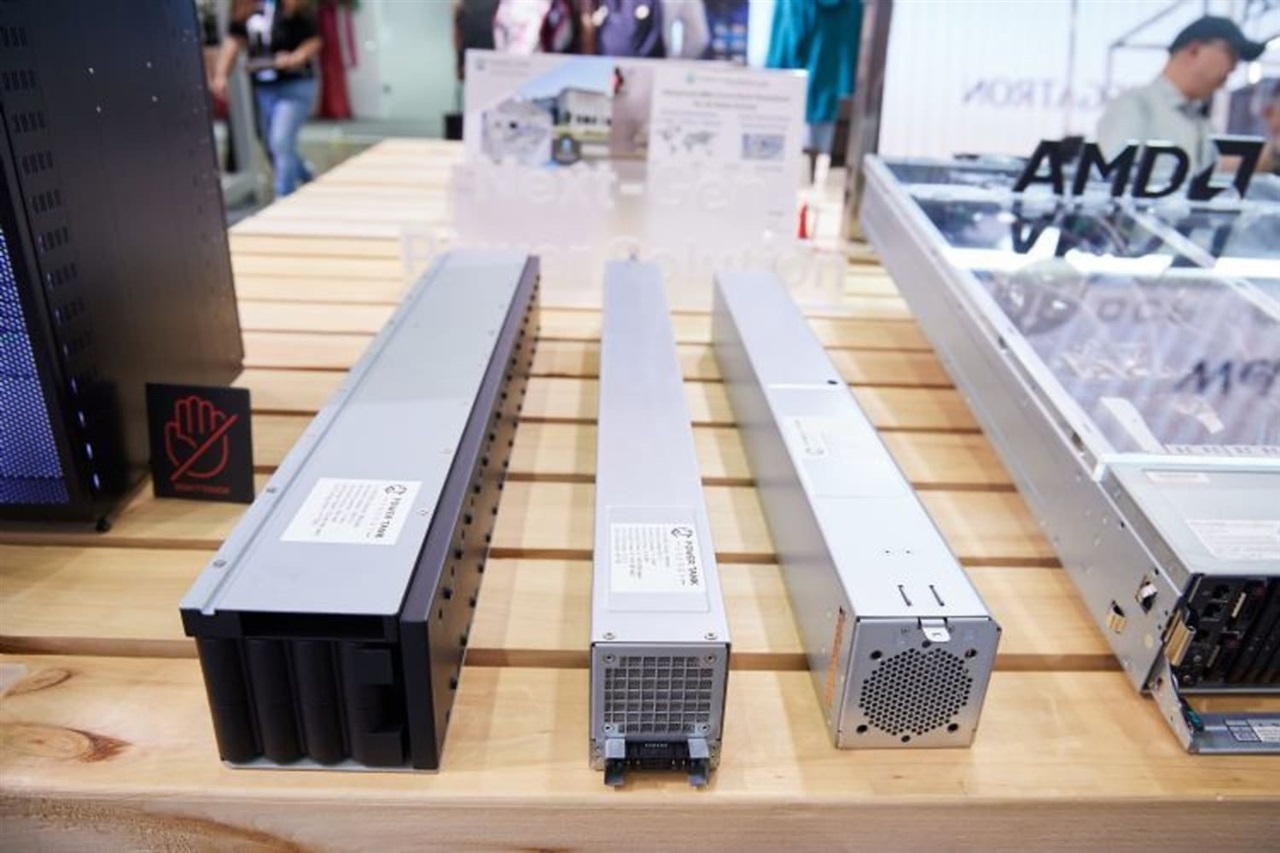
L'espansione dei server per l'AI non sta ridisegnando soltanto il mercato dei processori e della memoria. Sta spingendo in primo piano un componente finora poco discusso fuori dai data center: la Battery Backup Unit, o BBU. La domanda di queste unità, essenziali per garantire la continuità operativa in caso di interruzione dell'alimentazione, sta tirando la volata ai produttori taiwanesi di moduli batteria, secondo quanto riportato da DIGITIMES.
È un movimento che racconta molto più di un semplice rimbalzo di filiera. I server destinati a carichi di AI — spesso equipaggiati con più GPU, ciascuna capace di assorbire centinaia di watt — spingono il consumo dei singoli nodi ben oltre i 5 kW. In un ambiente on-premise o in un deployment edge, dove la qualità della rete elettrica può essere meno garantita rispetto a un data center iperscalabile, la BBU cessa di essere un optional: diventa un argine contro la perdita di dati, i danni hardware e i tempi morti che, in uno scenario di inference continua o di fine-tuning distribuito, si traducono in costi operativi immediati.
Il segnale strutturale oltre il chip
Il fatto che siano i produttori taiwanesi a raccogliere i frutti non è casuale. L'isola è già il crocevia mondiale per gli alimentatori (PSU) e molti moduli batteria destinati agli ODM che assemblano server per conto dei grandi fornitori cloud e delle aziende enterprise. L'aumento degli ordini di BBU va letto come un indicatore della crescente diffusione di cluster AI al di fuori dei pochi hyperscaler. Significa che aziende medie, centri di ricerca e persino sviluppatori indipendenti stanno mettendo in piedi server propri, on-premise o in colocation, e pretendono che la resilienza energetica sia integrata nel progetto.
Questo cambia gli equilibri. Da un lato, premia chi ha già competenze nella componentistica power, aprendo la strada a economie di scala e a una possibile accelerazione dell'innovazione. Dall'altro, ridisegna il calcolo del TCO per chi valuta un deployment locale: costo di acquisto del ferro, licenze software, ma anche la progettazione della ridondanza elettrica. Le BBU, oggi viste come commodity, potrebbero diventare un elemento di differenziazione tecnica, con batterie a più alta densità o con formati modulari pensati per rack sempre più affamati di energia.
On-premise e sovranità energetica
C'è infine un risvolto che tocca la sovranità dei dati. Tenere i modelli e i dati di addestramento all'interno dei propri confini fisici — per conformità GDPR, per segreto industriale o per scelta architetturale — obbliga a gestire ogni anello della catena, inclusa l'alimentazione. In questo framework, un'interruzione non presidiata da una BBU affidabile può invalidare ore di calcolo e aprire falle di sicurezza. La domanda crescente non è quindi solo una questione di volumi: è la spia di un maturare dell'ecosistema on-premise che, per reggere il confronto con il cloud, deve portare il livello di continuità di servizio a standard simili.
Non è un caso che gli analisti di DIGITIMES colleghino direttamente il fenomeno all'adozione dei server AI. La spinta è destinata a durare, e con essa la necessità di ripensare la power infrastructure non come voce accessoria ma come piattaforma abilitante. I produttori taiwanesi di batterie si trovano oggi al centro di questa transizione silenziosa.








💬 Commenti (0)
🔒 Accedi o registrati per commentare gli articoli.
Nessun commento ancora. Sii il primo a commentare!